Key Takeaways
- Enhancement of Flavor: Grilling on a smoker infuses your meat and produce with a rich, smoky essence, elevating your BBQ game with depth and complexity.
- Essential Ingredients: Ensure a successful grilling experience by using fresh cuts of meat like pork shoulder and salmon, as well as a variety of vegetables and fruits such as bell peppers and pineapple.
- Proper Equipment: Choosing the right smoker, whether it’s an offset, pellet, or Kamado grill, and equipping it with essential accessories, like a meat thermometer and wood chips, are crucial for effective smoking.
- Prep Work: Marinating meats and preparing the smoker by cleaning grates, loading wood chips, and preheating are vital steps for a seamless grilling session.
- Grilling Techniques: Master the art of smoking by properly seasoning, monitoring temperature, and basting meats. Also, grill vegetables and fruits to enhance your BBQ menu.
- Serving and Cleanup: Present your smoked dishes with vibrant garnishes and appropriate platters, and remember to let meats rest. Properly cleaning your smoker after use ensures longevity and peak performance.
Ingredients
For a delectable grilling experience on a smoker, gather the following ingredients. Preparing these items will ensure you achieve the best flavors and textures from your cook.
Meat and Fish Selection
- Pork Shoulder (Boston Butt) – 8 to 10 pounds, bone-in, trimmed
- Beef Brisket – 10 to 12 pounds, flat or point cut, trimmed
- Whole Chicken – 5 to 6 pounds, giblets removed
- Salmon Fillets – 4 fillets, 6 ounces each, skin-on
Vegetables and Fruits
- Corn on the Cob – 6 ears, husked
- Bell Peppers – 4 large, assorted colors, sliced
- Red Onions – 2 large, peeled and quartered
- Pineapple – 1 whole, peeled and cut into rings
- Kosher Salt – 1/2 cup
- Ground Black Pepper – 1/4 cup
- Paprika – 2 tablespoons
- Brown Sugar – 1/4 cup
- Garlic Powder – 2 tablespoons
- Onion Powder – 2 tablespoons
- Cayenne Pepper – 1 teaspoon
- Olive Oil – 1/4 cup
- Apple Cider Vinegar – 1 cup
- Soy Sauce – 1/2 cup
- Honey – 1/4 cup
- Worcestershire Sauce – 2 tablespoons
- Fresh Herbs – 1 bunch each of thyme, rosemary, and parsley, finely chopped
Required Tools and Equipment
Grilling on a smoker requires a selection of tools that ensure your BBQ experience is seamless and enjoyable. Here, we break down the essentials that you need for mastering the art of smoked grilling.
Choosing the Right Smoker
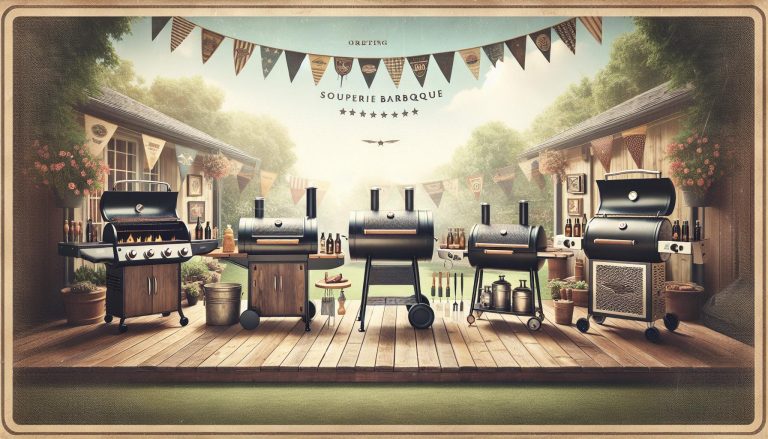
Selecting a smoker is the cornerstone of effective grilling. You have a few options to consider:
- Offset Smokers: Provide excellent control over heat and smoke with separate firebox and cooking chambers.
- Pellet Smokers: Offer ease of use with digital controls, ideal for beginners.
- Kamado Grills: Versatile and heat-efficient, suitable for both grilling and smoking, recognized by their distinctive oval shape.
Each type of smoker has its own strengths, so choose one that fits your lifestyle and grilling goals.
Necessary Accessories for Grilling
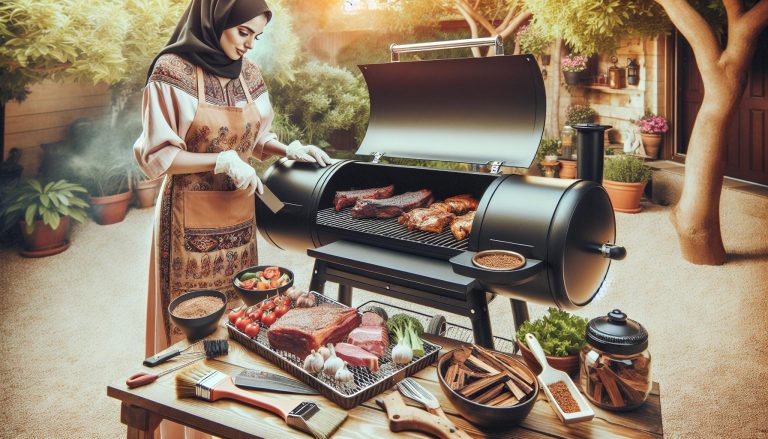
Equipping your smoker with the right accessories makes a world of difference in your BBQ results. Consider these essentials:
- Meat Thermometer: Ensures that meat reaches the perfect internal temperature.
- Chimney Starter: Helps ignite charcoal efficiently without lighter fluid.
- Wood Chips or Pellets: Infuse your meat with specific flavors; applewood for a sweet note, hickory for a robust taste.
- Grill Brushes: Keep grill grates clean for better heat distribution and hygienic cooking.
- Heat-Resistant Gloves: Protect your hands from burns while handling hot equipment.
- Basting Brush: Apply sauces and marinades evenly for consistent flavor.
- Drip Pans: Collect drippings and prevent flare-ups, also useful for creating flavorful gravies.
With the right smoker and accessories, you’re equipped to deliver mouth-watering smoked dishes, elevating your BBQ game to pitmaster status.
Prep Work
Before you start grilling on your smoker, some essential prep work ensures a smooth and flavorful cooking process. Follow these steps to set yourself up for barbecue success.
Marinating the Ingredients
- Select Fresh Ingredients: Choose fresh cuts of meat, vegetables, or fruits. Freshness ensures better absorption of marinades and richer flavors.
- Prepare Marinade: Combine your favorite seasonings, herbs, and liquids in a bowl. For instance, a simple marinade might include 1 cup soy sauce, 1/2 cup olive oil, 1/4 cup lemon juice, 3 cloves minced garlic, and 1 tablespoon black pepper.
- Marinate Meat: Place the meat in a resealable plastic bag or a shallow container. Pour the marinade over the meat, ensuring it is well-coated. Seal the bag or cover the container, and refrigerate for at least 2 hours. For best results, marinate overnight.
- Season Vegetables: Toss your vegetables with olive oil, salt, and pepper. You can also add additional seasonings like smoked paprika or garlic powder.
Preparing the Smoker
- Clean the Smoker Grates: Use a grill brush to remove any residue from previous grilling sessions. Clean grates help prevent sticking and impart a purer flavor.
- Load the Wood Chips: Soak the wood chips in water for about 30 minutes before use. This helps them smolder rather than burn. Load the wet chips into the smoker box or directly onto the coals, depending on your smoker type.
- Fill the Water Pan: Many smokers come with a water pan to maintain moisture levels. Fill this pan with water, beer, or another liquid. This helps to keep the meat tender and flavorful throughout the smoking process.
- Preheat the Smoker: Light the charcoal or turn on your electric smoker. Allow it to preheat until it reaches your desired cooking temperature. For most BBQ meats, a temperature between 225°F and 250°F is ideal.
- Adjust Air Vents: Control the airflow to stabilize the temperature. Open vents to raise the temperature or close them slightly to lower it. Monitoring this ensures consistent heat.
- Check with a Thermometer: Place a meat thermometer in the smoker to get an accurate reading of the internal temperature. Make adjustments as necessary to maintain your target range.
By focusing on these prep work steps, you set a solid foundation for a successful grilling session on your smoker.
Grilling Instructions
In this section, you’ll learn the essential techniques for grilling on a smoker. Master these steps to elevate your barbecue game and impress your guests.
Smoking Meats and Fish
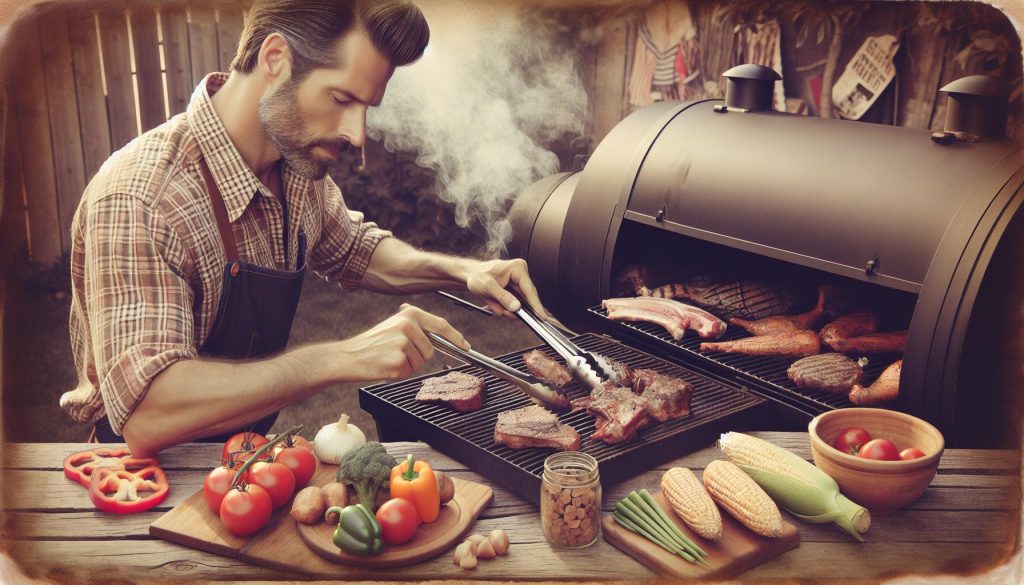
- Choose Your Meat or Fish: Select cuts of meat or fish that are suitable for smoking. Favorites include brisket, pork shoulder, ribs, and salmon.
- Preheat the Smoker: Ensure your smoker is preheated to the desired temperature, typically between 225°F and 250°F for most meats.
- Season or Marinate: Apply a dry rub or marinade to your meat or fish. Let it sit for at least 30 minutes, allowing the flavors to penetrate.
- Add Wood Chips: Fill the smoker’s wood chip tray with your preferred wood chips. Hickory, apple, and cherry wood are excellent choices for adding flavor.
- Place Meat on Smoker Grate: Position your meat or fish on the smoker grate, ensuring it is not directly over the heat source for even cooking.
- Monitor Temperature: Use a meat thermometer to monitor the internal temperature of your meat. Aim for an internal temperature of 195°F for beef and pork, and 145°F for fish.
- Baste Periodically: Baste your meat with marinade or a special sauce every hour to keep it moist and enhance flavor.
- Check Doneness: Once your meat reaches the desired temperature, remove it from the smoker and let it rest for about 10-15 minutes before slicing and serving.
- Select Fresh Produce: Choose fresh, firm vegetables and fruits like bell peppers, zucchini, pineapple, and peaches.
- Prep the Produce: Wash and cut the vegetables and fruits into even pieces for uniform grilling.
- Season Lightly: Drizzle with olive oil and sprinkle with salt, pepper, or your favorite seasoning. For fruits, consider using a dash of cinnamon or honey.
- Arrange on Grill: Place the produce on the smoker grill grates, ensuring they are evenly spaced to allow proper air circulation.
- Monitor Cooking: Grill the vegetables for 10-15 minutes and fruits for 5-10 minutes, turning halfway through. You want a nice char but not overly burnt produce.
- Check Tenderness: Vegetables should be tender and slightly charred, while fruits should be soft and caramelized.
- Remove and Serve: Once done, remove the produce from the grill and serve immediately as a side dish or a topping to your smoked meats.
Assemble
Now that your meats, fish, and produce are perfectly smoked, it’s time to bring everything together for an unforgettable dining experience.
- Serve Fresh Off The Smoker: Ensure your dishes maintain their optimum flavor by serving them immediately after they come off the smoker. Delayed serving can cause meats and produce to lose their juicy textures.
- Use Vibrant Garnishes: Enhance the visual appeal by adding fresh herbs like parsley, cilantro, or chives. A sprinkling of colorful veggies such as sliced bell peppers or cherry tomatoes brightens the plate.
- Choose Appropriate Serving Platters: Use rustic wooden boards or cast iron skillets for that authentic BBQ presentation. Make sure they’re large enough to accommodate the beautifully cooked items without overcrowding.
- Coordinate Colors: Balance the earthy tones of your smoked meats and vegetables with side dishes that add pops of color. Think along the lines of bright salads or creamy coleslaw.
- Drizzle With Sauce: Lightly drizzle barbecue sauce or glaze over the meats for an extra touch of flavor and shine. This not only enhances taste but also gives a professional finish.
- Arrange With Care: Position the main smoked items centrally on the plate and surround them with your chosen side dishes. This method creates an aesthetically pleasing and balanced look.
- Serve Sides Separately: Present gravy, sauces, and even some sides in separate bowls to avoid overpowering the primary flavors. This allows each guest to customize their meal to their liking.
Incorporating these plating and presentation tips can elevate your barbecue from delicious to exquisite, ensuring that your smoked dishes are as visually impressive as they are flavorful.
Post-Grilling Tips
After grilling on your smoker, these essential tips will help enhance the flavor and longevity of your BBQ adventures.
Resting the Meat
Once you remove the meat from the smoker, let it rest. This allows the juices to redistribute, making your meat more tender and flavorful. Cover your meat loosely with aluminum foil and let it rest for at least 15-20 minutes before slicing.
Cleaning the Smoker
Properly cleaning your smoker after each use ensures it remains in top condition and ready for your next BBQ session. Once the smoker has cooled to a safe temperature, remove the grill grates and clean them with a wire brush. Dispose of any ashes from the firebox, and wipe down the interior surfaces with a damp cloth to remove any residual grease or soot. Clean the smoker’s exterior to maintain its appearance and prevent any buildup that could affect performance.
Conclusion
Grilling on a smoker transforms your BBQ experience into a culinary adventure. By mastering heat and smoke control you unlock the full potential of flavors in your meats and produce. The right tools and techniques make all the difference ensuring your dishes are both tender and flavorful.
Don’t forget the importance of post-grilling practices like letting the meat rest and cleaning your smoker. These steps not only enhance the taste but also prolong the life of your equipment. With these insights you’re well on your way to becoming a BBQ maestro impressing friends and family with your smoked creations.
Frequently Asked Questions
What is the benefit of grilling on a smoker compared to a regular grill?
Grilling on a smoker enhances flavors through wood-fired essence and traditional preservation methods, providing a rich and unique taste that regular grills can’t achieve.
How do I control heat and smoke in a smoker?
Control heat and smoke by adjusting the vents and dampers on the smoker. Keep a close eye on the temperature using a built-in or external thermometer.
What are essential ingredients for smoking meat?
Essential ingredients include quality meats or fish, seasoning rubs, marinades, wood chips for flavor, and basting liquids to keep the meat moist.
What tools do I need for successful smoking?
You’ll need a reliable smoker, a meat thermometer, tongs, heat-resistant gloves, wood chips, and basting brushes for a successful smoking experience.
How do I select the right meat for smoking?
Choose cuts that are well-suited for smoking, such as brisket, ribs, pork shoulder, or fatty fish like salmon. Look for marbling and freshness.
Why is preheating the smoker important?
Preheating ensures a consistent cooking temperature from the start, which is crucial for even cooking and achieving the desired texture and flavor.
How often should I add wood chips?
Add wood chips every 45 minutes to 1 hour, depending on the recipe and desired smokiness, to maintain a continuous flow of smoke.
Can I smoke vegetables and fruits?
Yes, you can smoke vegetables and fruits. Proper preparation, seasoning, and monitoring cooking times are crucial for achieving ideal tenderness and flavor.
Why should meat rest after smoking?
Letting the meat rest allows juices to redistribute, enhancing tenderness and flavor, making it more enjoyable to eat.
How should I clean my smoker after use?
Clean the smoker by removing ash, scrubbing grates, and wiping down the interior. Proper maintenance ensures longevity and readiness for future BBQ sessions.