Key Takeaways
- Types of Smokers: Different types of smokers like electric, charcoal, pellet, and propane offer unique benefits and flavors. Your choice depends on your skill level and flavor preferences.
- Key Features to Consider: Essential features for choosing the best home smoker include reliable temperature control, adequate capacity, durable build quality, portability, and ease of cleaning.
- Essential Equipment and Tools: Proper equipment such as wood chips, heat-resistant gloves, meat thermometers, and basting brushes are crucial for a successful smoking experience.
- Preparation Steps: Properly setting up and preparing your smoker— including seasoning it, filling the water pan, and preheating— ensures a consistent and flavorful smoking session.
- Selecting Proteins and Vegetables: Choosing quality meats (like brisket, pork shoulder, and ribs) and fresh vegetables (like bell peppers, corn, and zucchini) will elevate your barbecue.
- Maintenance and Care: Regular cleaning, thorough drying, and proper storage of your smoker will extend its lifespan and ensure consistent performance.
Choosing the Best Home Smoker
When selecting the best home smoker, you want to balance efficiency with the flavor profile you desire. Here’s a guide to help you make an informed decision.
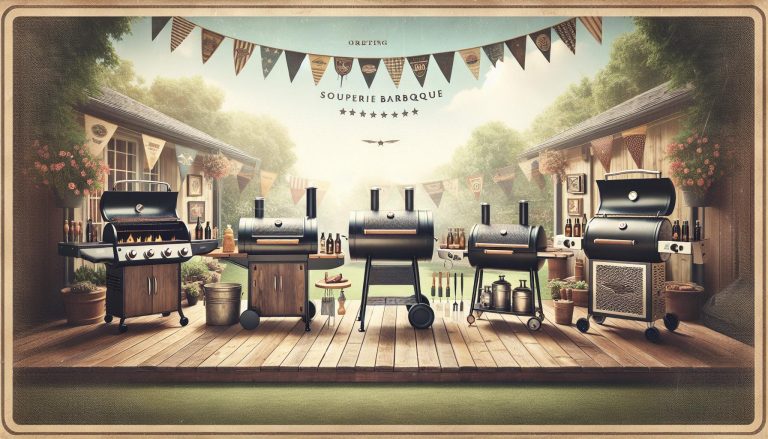
Types of Smokers
Choosing the right smoker starts with understanding the different types available:
- Electric Smokers: Perfect for beginners, electric smokers are easy to use and maintain a consistent temperature. They’re ideal if you want convenience without sacrificing flavor.
- Charcoal Smokers: These offer a rich, smoky flavor that’s hard to beat. While they require more hands-on management to maintain temperature, many barbecue enthusiasts swear by the authentic taste.
- Pellet Smokers: Combining the ease of electric smokers with the flavor of charcoal, pellet smokers use wood pellets and allow for precise temperature control. They’re versatile but can be pricier.
- Propane Smokers: These provide a good balance between ease of use and authentic smoky flavor. They heat up quickly and maintain a steady temperature with minimal effort.
Key Features to Consider
When picking the ideal smoker, pay attention to these essential features:
- Temperature Control: Look for a smoker with a reliable temperature control system. Electric and pellet smokers generally offer the best precision.
- Capacity: Consider how much food you plan to smoke. If you’re cooking for a large group, choose a smoker with ample cooking space.
- Build Quality: Durability is crucial. Stainless steel and heavy-duty materials ensure your smoker will stand the test of time.
- Portability: If you plan to take your smoker on the road, look for a model that’s easy to transport. Compact electric or portable propane smokers can be good options.
- Ease of Cleaning: Removable trays and ash catchers make the cleaning process much simpler, allowing you to enjoy your smoked creations without a lengthy cleanup.
Selecting the right home smoker means weighing your priorities and preferences, ensuring you get the best smoking experience for your needs.
Required Equipment and Tools
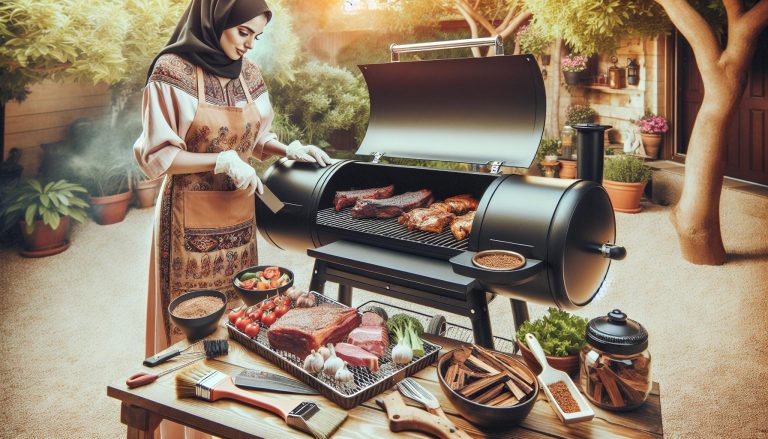
To embark on your home smoking journey, you’ll need specific equipment and tools. Make sure to equip yourself with the following essentials for the best smoking experience.
Essential Smoking Accessories
- Smoker: Choose from electric, charcoal, pellet, or propane smokers based on your preferences.
- Wood Chips or Pellets: Oak, hickory, apple, or cherry wood, depending on the flavor profile you desire.
- Charcoal: For charcoal smokers, procure high-quality lump charcoal for consistent heat.
- Heat-Resistant Gloves: To handle hot equipment safely.
- Meat Thermometer: An instant-read digital thermometer ensures meat is cooked to the perfect temperature.
- Water Pan: Helps to maintain moisture and stabilize the temperature inside the smoker.
- Grill Tongs and Spatula: Sturdy, long-handled tools for managing meat on the smoker.
- Aluminum Foil and Butcher Paper: Useful for wrapping meats during the smoking process.
- Basting Brush: Ideal for applying sauces or marinades to your meats.
- Apron: Protect your clothes from smoke and grease.
- Fire Extinguisher: Keep it nearby for any unexpected flare-ups.
- Heat-Resistant Mat: Place under the smoker to protect your deck or patio.
- Safety Glasses: Protect your eyes from smoke and ash.
- First Aid Kit: Always have it handy for minor cuts or burns.
With the right equipment and tools, you’ll be well-prepared to enjoy the rich, smoky flavors of home-smoked meats.
Preparing the Smoker
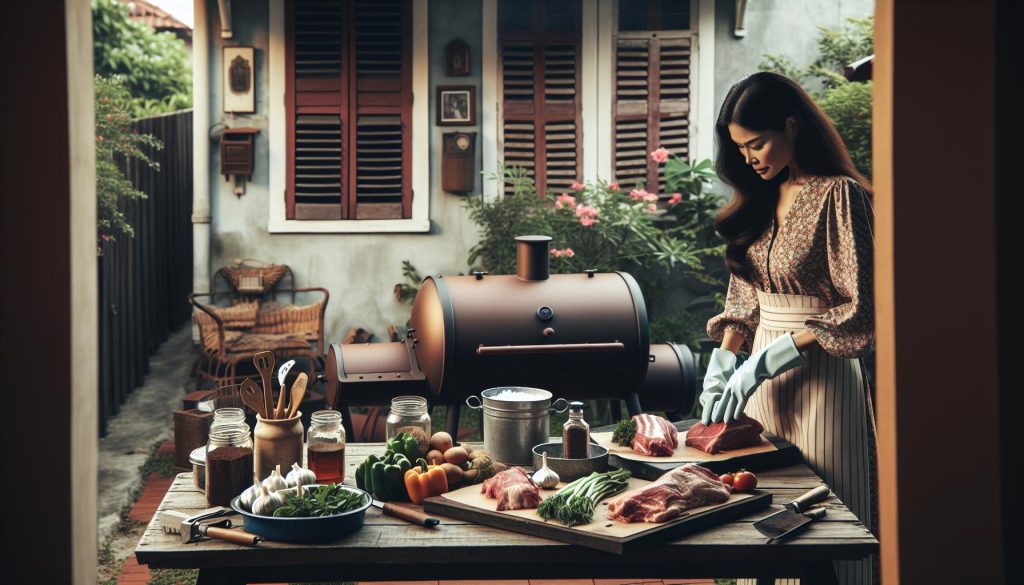
Before diving into the smoky depths of barbecuing, it’s crucial to prepare your smoker correctly. This foundation will ensure consistency in flavor and texture.
Initial Setup
- Select a Location: Place your smoker on a level, stable surface, preferably outdoors in a well-ventilated area. Keep it away from flammable materials.
- Assemble Your Smoker: Follow the manufacturer’s instructions meticulously. Ensure all parts are securely attached.
- Season Your Smoker: Coat the inside surfaces with a thin layer of vegetable oil. Light a small fire using charcoal or wood chips. Let it burn for 2-3 hours to remove any residues and impart a smoky base layer.
- Fill Your Water Pan: Fill the water pan with hot water to maintain moisture inside the smoker. This step helps regulate temperature and keeps the meat juicy.
- Add Wood Chips or Chunks: Depending on your flavor preference, add soaked wood chips or chunks to the designated tray or on top of the charcoal. Popular choices include hickory, mesquite, and applewood.
- Preheat the Smoker: Light your smoker and bring it to the desired smoking temperature (usually between 225°F to 250°F). Use the built-in thermometer or an external digital thermometer for accuracy.
- Adjust Air Vents: Regulate the airflow by adjusting the intake and exhaust vents. This control ensures optimal combustion and steady temperature. Typically, start with vents half-open, then adjust as needed.
Your smoker is now primed and ready. Follow these steps closely to ensure a perfect foundation for your smoking session.
Selecting Your Proteins and Vegetables
Choosing the right proteins and vegetables is essential for a successful smoking experience. Selecting quality meats and fresh vegetables will elevate your barbecue, giving you delicious and satisfying results.
Best Meats to Smoke
When it comes to smoking meat, certain cuts stand out for their flavor and tenderness. Here are top choices for mouthwatering smoked dishes:
- Brisket: This cut from the lower chest of the cow is perfect for long, slow smoking. Look for a brisket with a good amount of marbling.
- Pork Shoulder (or Pork Butt): Ideal for pulled pork, this cut is rich in fat, which melts during smoking, keeping the meat juicy and tender.
- Ribs: Both pork ribs and beef ribs are fantastic when smoked. Baby back ribs are tender, while spare ribs have more meat and fat.
- Chicken: Whole chickens or parts like thighs and drumsticks absorb smoky flavors well. Be sure to brine your chicken first for extra juiciness.
- Turkey: A turkey, especially during the holidays, makes an impressive smoked dish. As with chicken, consider brining it beforehand.
- Sausage: Smoked sausages can be a quick and flavorful addition to your barbecue spread.
Vegetable Options and Preparation
Vegetables add depth and variety to your smoked dishes. Here are great vegetable choices and preparation tips:
- Bell Peppers: Slice them into strips or halves. Their natural sweetness intensifies with smoking.
- Corn on the Cob: Leave the husks on for a natural steaming effect, or remove them for a more direct smoky taste.
- Zucchini and Squash: Slice them thickly to prevent them from getting too soft. Their mild flavor pairs well with smoke.
- Mushrooms: Portobello mushrooms especially are great for smoking due to their meaty texture. Clean and remove stems before smoking.
- Asparagus: Trim the woody ends. Smoked asparagus develops a deep, earthy flavor.
- Tomatoes: Cherry tomatoes or large tomatoes cut in half can be smoked for a concentrated, sweet taste.
For best results, lightly coat your vegetables in olive oil and season with salt, pepper, and your favorite herbs before placing them in the smoker. Smoked vegetables can be enjoyed as side dishes or incorporated into other recipes, enhancing their smoky goodness.
Smoking Techniques
When it comes to achieving that perfectly smoked piece of meat or vegetable, mastering a few essential smoking techniques is key. These techniques will help you manage temperature and flavor, ensuring your barbecue is a hit every time. One crucial technique is maintaining a consistent low-and-slow cooking temperature, which allows the smoky flavors to fully penetrate the food while keeping it tender and juicy. Experimenting with different wood types, such as hickory, mesquite, or cherry, can also add unique flavor profiles to your dishes. For those looking to elevate their grill game, exploring the top recipes for custom BBQ grills can provide inspiration and guidance to create show-stopping meals tailored to your equipment.
Temperature Management
One of the most critical factors in smoking is maintaining a consistent temperature. Here’s how you can do it:
- Use a Reliable Thermometer: Invest in a good quality digital thermometer to monitor the internal temperature of both your smoker and your meat.
- Control Your Air Vents: Adjust the smoker’s air vents to regulate airflow. Open vents increase temperature by allowing more oxygen in while closing them reduces the temperature.
- Use a Water Pan: Place a pan filled with water inside the smoker. This helps stabilize the temperature and adds moisture to the smoking environment.
- Check Your Fuel Regularly: Whether using charcoal or wood, ensure you have enough fuel to maintain the required temperature throughout the cooking process.
Timing and Flavor Profiling
Timing and flavor are everything when it comes to smoking. Here’s how you can ensure both are spot on:
- Plan for Low and Slow: Smoking is a slow cooking method. Most meats require several hours at low temperatures to become tender and flavorful. Plan your cooking time accordingly.
- Use Wood Chips Wisely: Choose wood chips that complement the type of meat or vegetables you’re smoking. Hickory, mesquite, apple, and cherry wood each impart different flavors.
- Wrap for Tenderness: For cuts like brisket or ribs, consider wrapping the meat in foil or butcher paper halfway through cooking. This technique, known as “the Texas Crutch,” helps retain moisture.
- Rest After Smoking: Always let your meat rest before serving. This allows juices to redistribute, resulting in a juicier and more flavorful dish.
By focusing on temperature management and timing and flavor profiling, you’ll elevate your smoking game and impress anyone who takes a bite.
Maintenance and Care
Taking care of your smoker is crucial to ensure it remains in top condition and delivers delicious results every time you fire it up. Regular maintenance and proper storage will extend its lifespan and keep it performing its best.
Regular Cleaning
Regular cleaning of your smoker after each use prevents buildup and ensures consistent performance. Here’s how you do it:
- Cool Down: Allow the smoker to cool completely before cleaning.
- Remove Ashes: Clear out ash from the firebox and grill grates.
- Clean Grates: Scrub the grates with a grill brush to remove any remaining food particles.
- Empty Drip Pan: Check and clean the drip pan to avoid overflow and grease buildup.
- Wipe Interiors: Wipe down the smoker’s interior with a damp cloth.
- Check Vents: Ensure vents are clean and clear of any obstructions.
- Dry Thoroughly: Make sure your smoker is completely dry to prevent rust.
- Cover It Up: Use a high-quality cover designed for your smoker model.
- Store Indoors: When possible, store your smoker in a dry, sheltered location.
- Inspect Seals: Check door seals and gaskets for wear and replace them as necessary.
- Protect Fuel: Store wood chips or charcoal in a dry, cool place to maintain quality.
Recipes for Beginners
Starting with some easy recipes will build your confidence and ensure you achieve delicious results right out of the gate.
Easy Smoked Chicken
Ingredients
- 1 whole chicken (about 4 pounds), cleaned and patted dry
- 4 tablespoons olive oil
- 3 tablespoons kosher salt
- 2 tablespoons black pepper
- 2 tablespoons smoked paprika
- 1 tablespoon garlic powder
- 1 tablespoon onion powder
- 1 teaspoon cayenne pepper (optional)
- Lemon slices (for garnish)
Instructions
- Prepare The Chicken: Rub the whole chicken with olive oil, making sure to cover all parts evenly.
- Season Generously: Mix kosher salt, black pepper, smoked paprika, garlic powder, onion powder, and cayenne pepper in a bowl. Rub this seasoning mix all over the chicken, ensuring even coverage.
- Preheat The Smoker: Set your smoker to 250°F. Use mild wood chips like apple or cherry to add a gentle flavor.
- Smoke The Chicken: Place the chicken directly on the smoker grate, breast side up. Smoke for about 3-4 hours or until the internal temperature reaches 165°F in the thickest part.
- Rest And Serve: Remove the chicken from the smoker and let it rest for 15 minutes before carving. Garnish with lemon slices.
Smoked Vegetables Medley
Ingredients
- 1 red bell pepper, sliced into strips
- 1 yellow bell pepper, sliced into strips
- 1 zucchini, sliced into rounds
- 1 red onion, sliced into rings
- 2 cups cherry tomatoes
- 3 tablespoons olive oil
- 2 tablespoons balsamic vinegar
- 1 teaspoon salt
- 1 teaspoon black pepper
- 1 teaspoon dried thyme
- Prepare The Vegetables: Toss all the sliced vegetables and cherry tomatoes in a large bowl with olive oil, balsamic vinegar, salt, black pepper, and dried thyme.
- Preheat The Smoker: Heat your smoker to 225°F. Use a mild wood like pecan or hickory for a subtle smoky flavor.
- Smoke The Vegetables: Place the vegetables in a grill basket or directly on the smoker grate. Smoke for 1-2 hours, stirring occasionally, until they are tender and lightly charred.
- Serve: Remove the vegetables from the smoker and transfer them to a serving dish. Enjoy them warm as a side dish or mix them into salads and pastas for an added smoky taste.
Dive into these simple yet delicious recipes to start mastering your home smoker skills.
Conclusion
Mastering the art of smoking meat at home is a rewarding journey that starts with choosing the right smoker and equipment. By focusing on preparation, quality ingredients, and proper marinating, you’ll elevate your barbecue game. Regular maintenance and care for your smoker ensure it remains in peak condition, delivering consistent results every time. Don’t forget to try out the beginner-friendly recipes like smoked chicken and vegetable medley to hone your skills. With dedication and the right techniques, you’ll soon be creating mouthwatering smoked dishes that impress family and friends.
Frequently Asked Questions
What type of smoker is best for beginners?
For beginners, an electric smoker is often recommended. It’s user-friendly, requires less monitoring, and delivers consistent results.
How often should I clean my smoker?
You should clean your smoker after each use. Regular cleaning ensures better performance, extends its lifespan, and improves the quality of your barbecue.
What are some essential tools for smoking meat?
Essential tools include a good meat thermometer, BBQ tongs, aluminum foil, wood chips or pellets, and a water pan for moisture.
How do I prepare my smoker before use?
Prepare your smoker by cleaning it, adding water to the pan, and preheating it to the desired temperature with the correct fuel type.
What’s the best way to marinate meat for smoking?
Marinate your meat overnight in a mixture of oil, acid (like vinegar or citrus), and spices. This helps to enhance flavor and tenderize the meat.
How do I maintain the seals and gaskets on my smoker?
Inspect seals and gaskets regularly for wear and replace them if necessary. Clean them gently with a damp cloth to ensure they stay in good condition.
How do I store my smoker properly?
Store your smoker in a dry, covered area. Ensure it’s fully dry before storage and protect any remaining fuel by keeping it in a sealed container.
Can beginners try smoking vegetables?
Yes, smoking vegetables is great for beginners. They cook faster than meat and offer a delicious, smoky flavor that pairs well with many dishes.
What are some easy recipes for beginners to try?
Beginners can start with simple recipes like smoked chicken or a smoked vegetable medley. These dishes are easy to prepare and deliver satisfying results.
Why is regular maintenance important for a smoker?
Regular maintenance ensures consistent performance, prolongs the lifespan of the smoker, and enhances the overall quality of your barbecue creations.