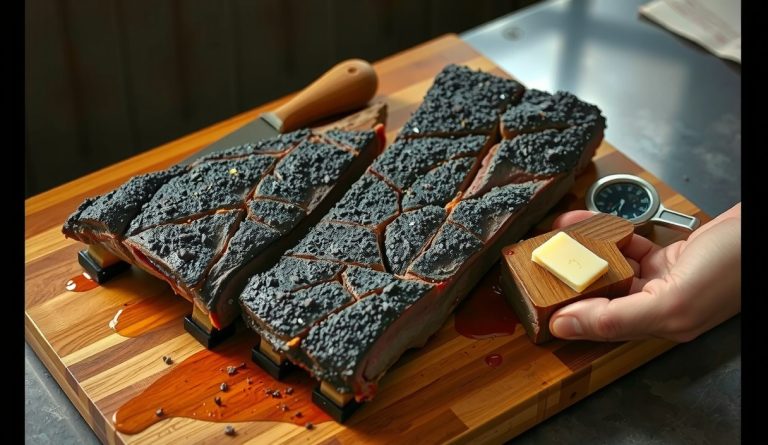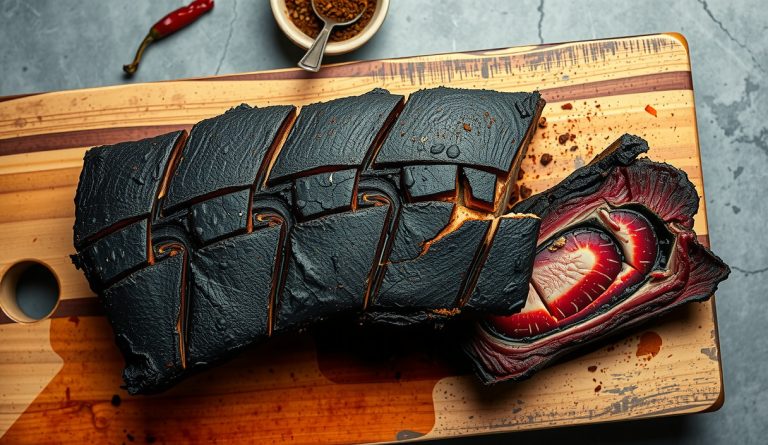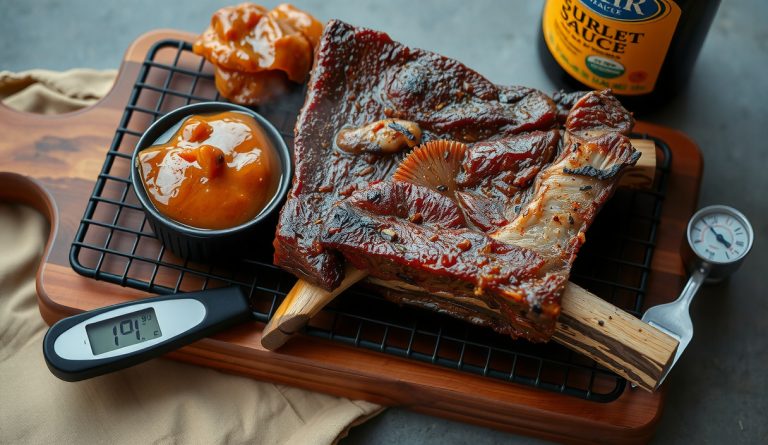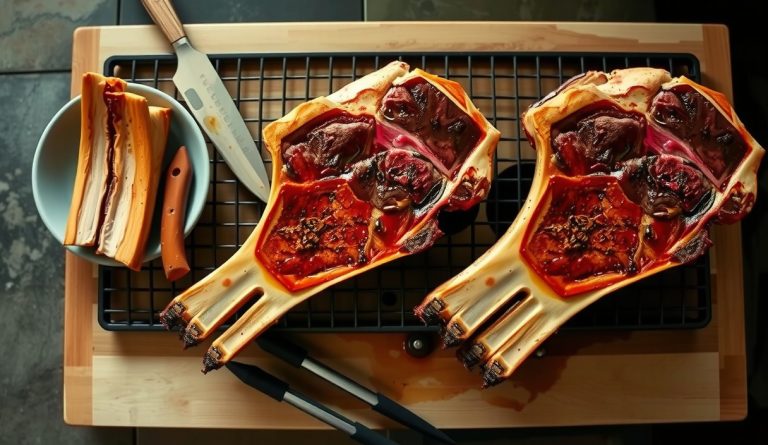
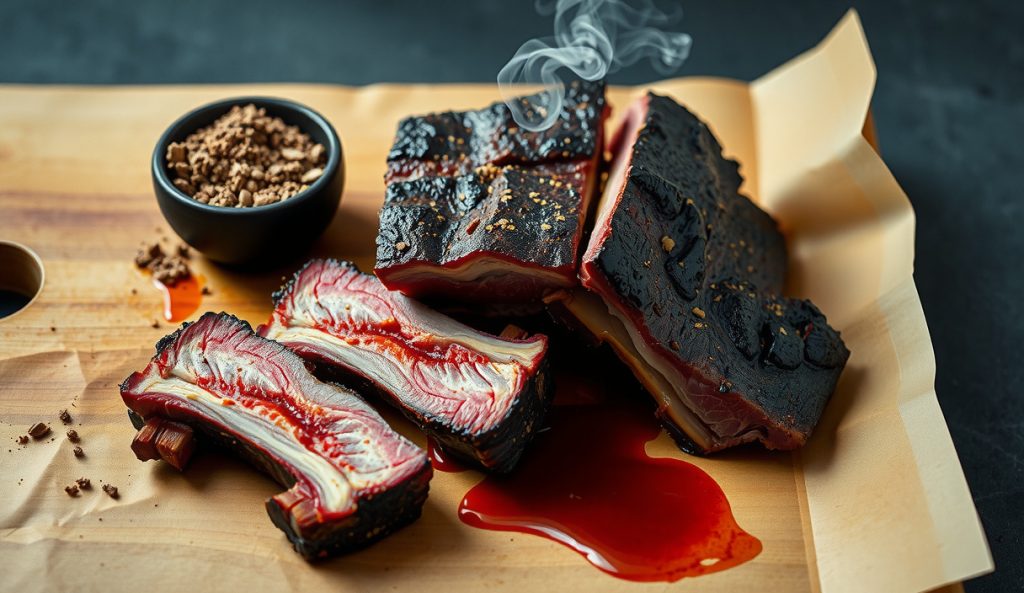
Good news first: this cook is structurally gluten-free. A bone-in beef short rib, coarse kosher salt, and coarse black pepper contain no wheat, barley, rye, or their derivatives. The smoke, the Maillard bark, the collagen-to-gelatin conversion — all of it happens without a single gluten-containing input. The adaptation work here is narrow but non-trivial, and it lives almost entirely in sourcing decisions rather than technique changes.
What actually changes in a gluten-free smoked short rib cook?
The salt: Coarse kosher salt is inherently gluten-free, but not all brands are processed on dedicated equipment. Diamond Crystal and Morton Kosher are both considered safe for most celiac cooks, and both are labeled accordingly. Confirm your salt carries a certified GF mark or a dedicated-facility declaration if your sensitivity threshold is clinical.
The pepper: Whole black peppercorns are naturally gluten-free, but pre-ground commercial pepper — especially the coarse 16-mesh grind called for here — is sometimes processed on shared grinding lines that also handle seasoning blends containing wheat-based anti-caking agents, typically wheat starch or modified wheat starch used in bulk spice production. Buy whole peppercorns and crack them in a dedicated grinder, or source a single-origin coarse grind with a verified GF certification. Pre-ground pepper is the most overlooked contamination vector in an otherwise clean cook.
Any finishing sauce or accompaniment: The canonical recipe calls for no sauce during the cook, which eliminates the most common gluten exposure point in BBQ — Worcestershire (which traditionally contains barley malt vinegar), ketchup-based sauces thickened with malt vinegar, and commercial BBQ sauces that use hydrolyzed wheat protein as a flavor carrier. If you serve a sauce alongside the short ribs, swap conventional Worcestershire for a certified GF version (Lea & Perrins in the US is GF-certified; the UK formulation is not) or use coconut aminos for a similar umami depth. Replace any malt-vinegar-based sauce with apple cider vinegar as the acid base.
Cross-contamination at the smoker: If the smoker was recently used with a commercial seasoning blend containing wheat, the grates and drip pan can carry residue. Burn the smoker at high heat for 20 minutes, wire-brush the grates, and use a fresh sheet of butcher paper or a clean drip tray. The same logic applies to the spice grinder — a dedicated grinder reserved for gluten-free cooking eliminates the most likely source of peppercorn contamination described above.
What stays exactly the same?
Everything that makes this cook extraordinary is untouched. The 250°F pit temperature, the no-wrap protocol, the 6-to-8-hour timeline, the stall, the bark formation via Maillard chemistry, the collagen hydrolysis to gelatin — all of it proceeds identically in the gluten-free version. Smoke from post oak, hickory, or pecan is pure lignin combustion chemistry and contains no gluten whatsoever. The meat itself, sourced as a whole bone-in plate or chuck short rib slab, carries no hidden additives unless it has been pre-marinated or solution-injected at the packing plant. Ask your butcher explicitly; a plain, un-enhanced short rib is the standard for this cut, but enhanced products exist in the wholesale channel.
When is the gluten-free version the better choice?
This version is the right call any time a celiac guest or a non-celiac gluten-sensitive cook is at the table. Sourcing single-origin whole peppercorns and a certified kosher salt is good practice for any serious cook regardless of dietary need. Because the canonical recipe is already so stripped down — salt, pepper, smoke, and time — the gluten-free version is essentially the same cook executed with verified inputs, making it one of the most accessible dietary adaptations in the BBQ canon.
Full method, timing, and equipment notes are at the original Smoked Beef Short Ribs recipe.