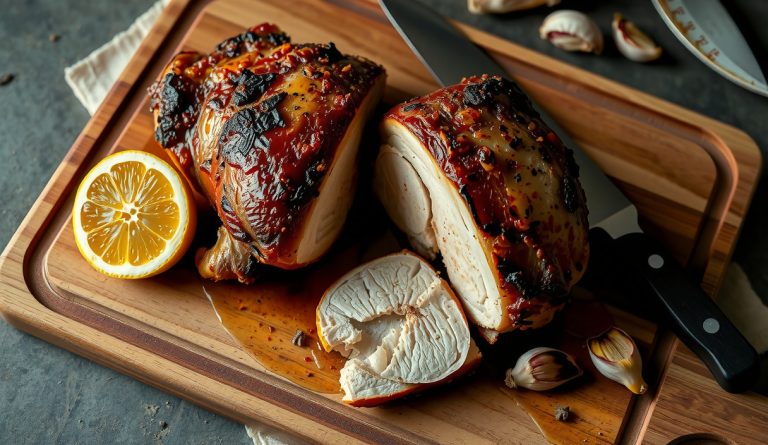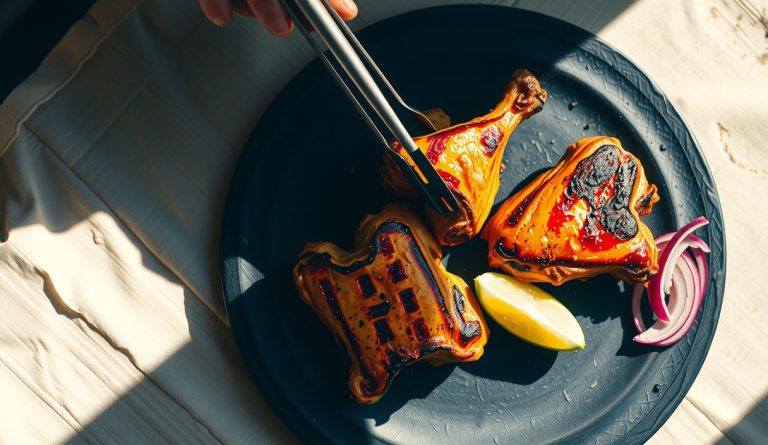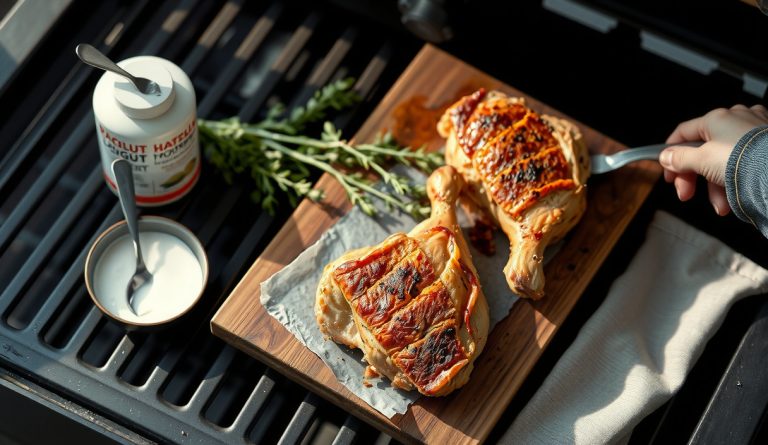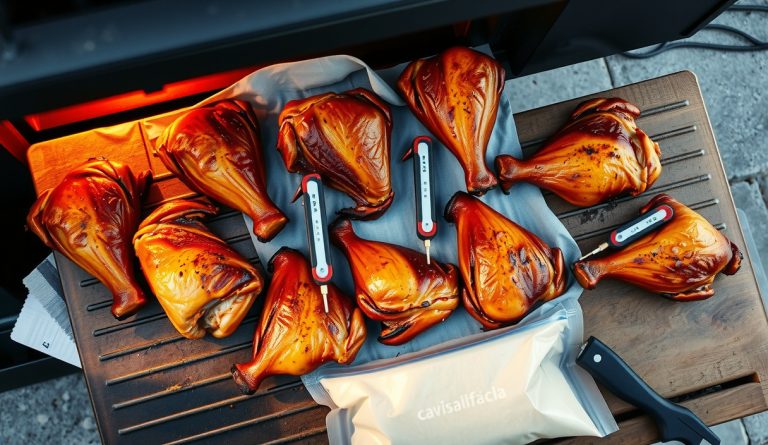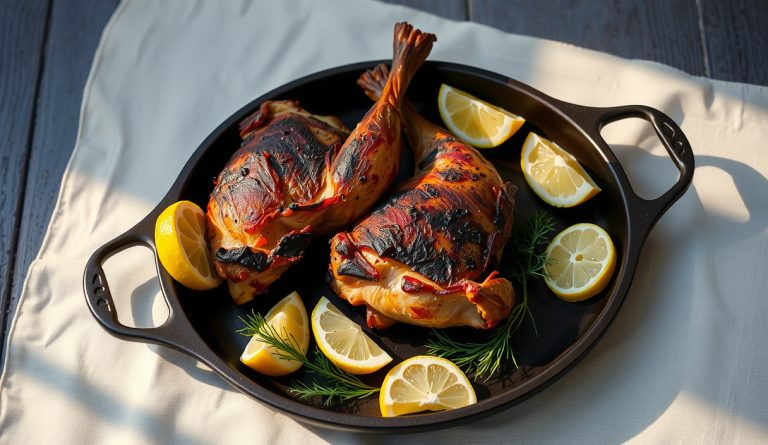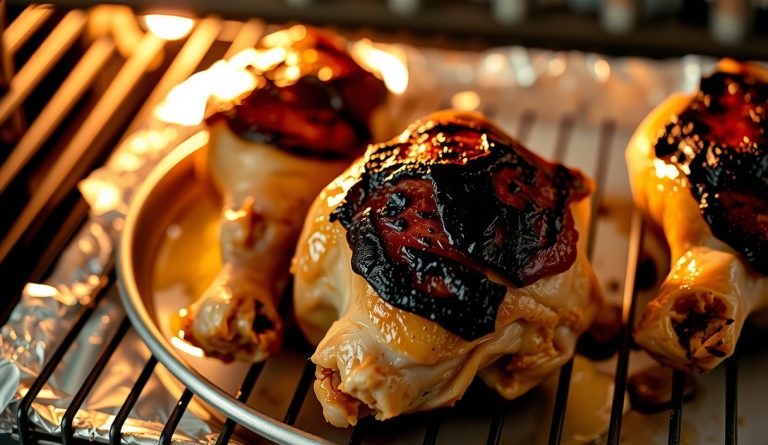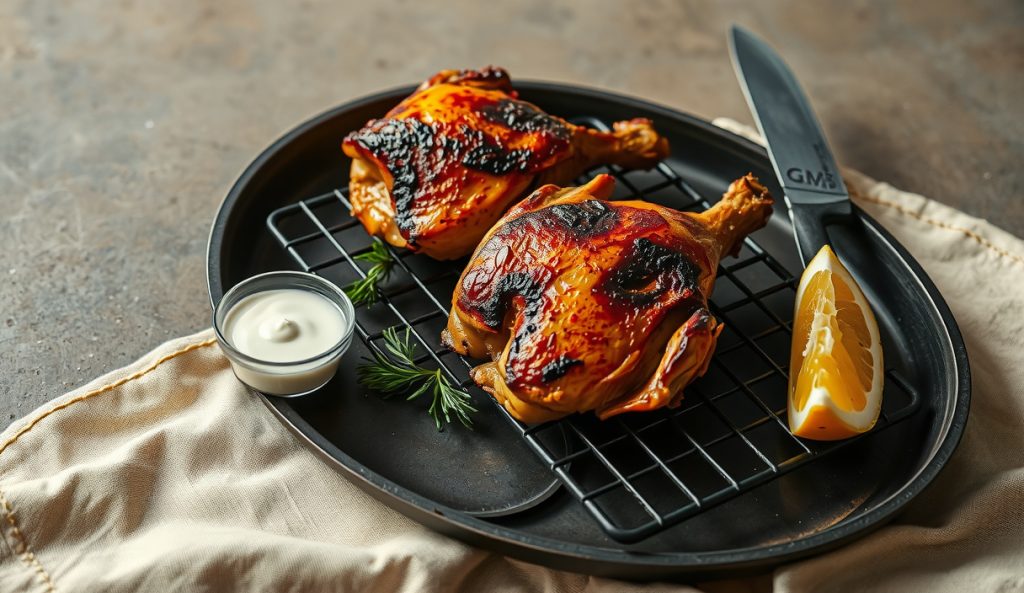
Good news first: the structural logic of this recipe — full-fat Greek yogurt, lemon, smoked paprika, cumin, garlic, bone-in chicken thighs, and wood smoke — contains zero inherent gluten. The acid-driven protein priming, casein-spice VOC delivery, and dual Maillard reaction work exactly as described in the canonical method. The risk in a gluten-free cook is not the recipe itself; it is the fine print on labels and the shared equipment in your kitchen. This guide audits every potential hidden source so that coeliacs and gluten-sensitive cooks can smoke with confidence.
What changes for a gluten-free cook?
Smoked paprika — verify the tin. Paprika is naturally gluten-free, but some budget brands use shared grinding and blending lines with wheat-containing spice blends. Anti-caking agents in commercial spice blends occasionally include wheat-derived starch. Check the allergen statement, not just the ingredient list. Brands like Penzeys, Simply Organic, and La Chinata print dedicated-facility or shared-allergen disclosures; use one of those. Stale paprika is your bigger enemy here — oxidized guaiacols contribute nothing to the smoke synergy — so a fresh, certified-clean tin solves two problems at once.
Cumin and any pre-mixed rub additions. Pure ground cumin is gluten-free, but pre-mixed seasoning blends that include cumin — taco seasonings, shawarma blends sometimes used as a shortcut — commonly contain wheat flour as a flow agent or filler. If the canonical recipe or your personal variation pulls from a spice blend rather than individual jars, rebuild it from single-origin spices to eliminate that hidden gluten vector entirely.
Worcestershire or soy sauce — if you add them. Some cooks finish yogurt-marinated chicken with a quick brush of Worcestershire for umami depth. Conventional Worcestershire (Lea & Perrins in the UK formulation, many domestic store brands) contains barley malt vinegar, which is a confirmed gluten source. Swap to a certified gluten-free Worcestershire such as French’s GF, or use coconut aminos — slightly sweeter, lower sodium — for the same savory-acid punch. If a splash of soy sauce enters your version, tamari specifically labeled gluten-free is the direct replacement, delivering an identical umami profile and the same amino acid contribution to Maillard browning.
Cross-contamination protocol. The marinade bowl, the spice grinder used last week for a wheat-crumb rub, the basting brush that touched a flour-thickened sauce, and the cutting board used for bread are all live risk surfaces. Run the grinder through a dedicated GF cleaning cycle — grind dry rice, discard — use a silicone brush reserved for GF cooks, and designate a separate marinade container. On the smoker itself, if the grate has been used with breaded products, a high-heat burnoff followed by a wire brush and a paper-towel wipe is sufficient: gluten proteins denature and carbonize at grill temperatures and do not transfer meaningfully from a clean, burned-off grate.
What stays exactly the same in the gluten-free version?
The entire method is untouched. Eight hours of full-fat yogurt contact time, the 275°F indirect smoke over cherry or apple wood, the pull temperature of 168°F, and the carry-over rest to 172°F are all inherently gluten-free processes. Wood smoke, fire, and meat chemistry have no relationship to gluten whatsoever. The casein micelle VOC delivery, the pH 4.2 surface priming, and the dual Maillard crust form identically under a verified gluten-free ingredient set.
When is the gluten-free version the better default choice?
This version is essential for households managing coeliac disease or non-coeliac gluten sensitivity, and it is a practical default for any cookout where guest dietary needs are mixed — because verifying labels and cleaning surfaces costs nothing and changes zero flavor outcomes. If you are already buying quality single-origin spices for their aromatic potency, which the canonical recipe strongly argues you should, you are almost certainly already buying gluten-free ones without realizing it.
Follow the complete timing, temperature, and smoke setup at the original recipe; the only work this variant adds is a ten-minute label audit before you marinate.