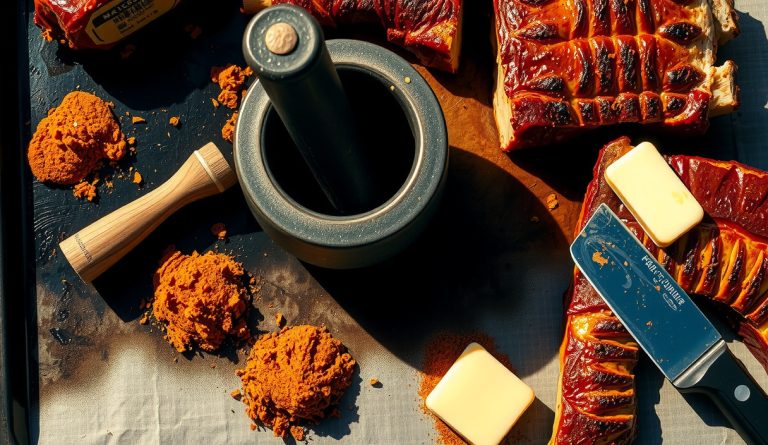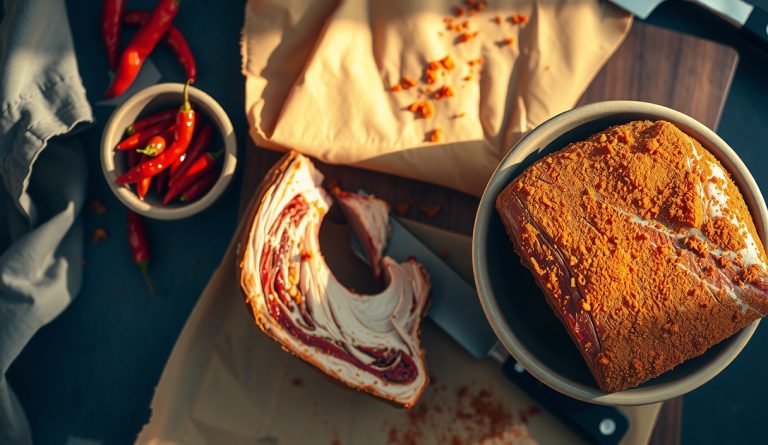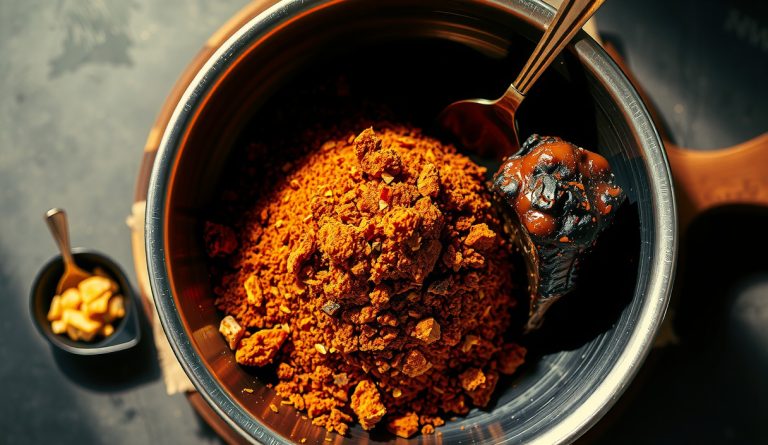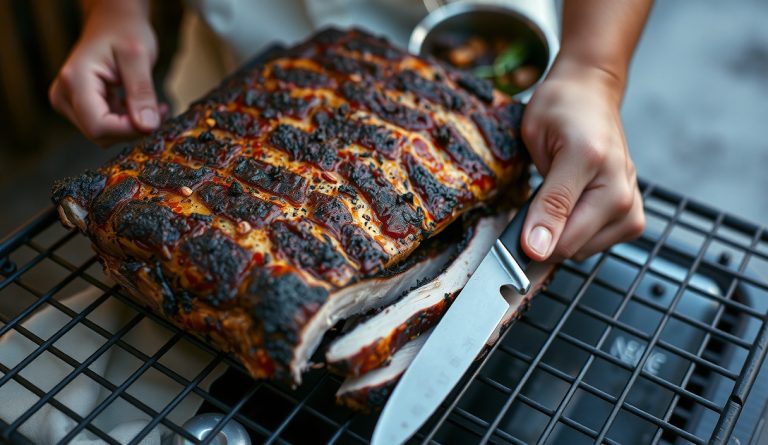
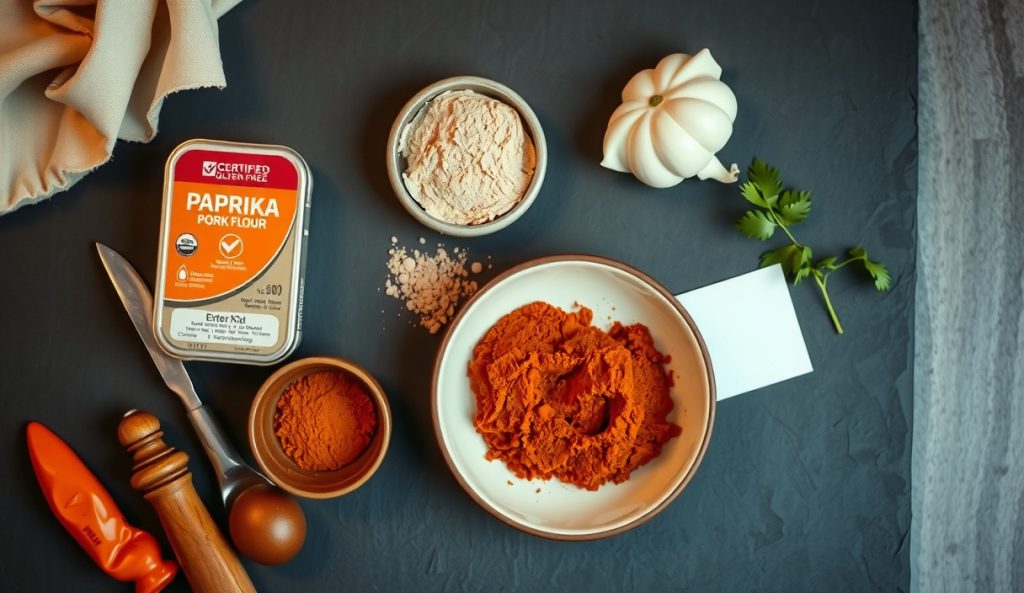
Spice rubs are among the safest categories in the kitchen for gluten-intolerant and celiac cooks: whole dried spices, salts, and sugars carry no gluten by nature. The Memphis Pork Rub formula is no exception — every ingredient in the canonical build is inherently gluten-free and dairy-free. The risk is not in the formula itself. The risk lives in the sourcing of one specific ingredient: commercial chili powder.
What needs to change to make this rub celiac-safe?
Source single-ingredient chili powder rather than a commercial blend. Standard commercial chili powder blends are pre-mixed preparations that typically combine ancho or New Mexico chili with cumin, oregano, garlic powder, and occasionally anti-caking agents. Wheat flour has historically been used as an anti-caking agent in powdered spice products because it is inexpensive and effective at preventing clumping under humidity.
Even trace quantities — well under 1% w/w — are sufficient to trigger a response in celiac individuals, because the threshold for gluten-induced intestinal damage in sensitive populations is as low as 10 mg per day. Single-ingredient ancho powder or single-ingredient New Mexico chili powder carries no such risk because there is no processing step that introduces additional ingredients. Verify safety by reading the full ingredient statement on the label, not just a gluten-free certification logo, as certification standards vary across registrars.
All other ingredients in the canonical Memphis Pork Rub formula — paprika, black pepper, kosher salt, brown sugar, garlic powder, cayenne — are single-source spices. Standard spice processing facilities that handle only whole and ground spices do not typically introduce cross-contact gluten risk, though individuals with extreme sensitivity should confirm this with their specific supplier.
What stays the same in the gluten-free build?
The Memphis Pork Rub formula is unchanged. No ingredient weights are altered, and no substitutions are made beyond sourcing single-ingredient chili powder instead of a commercial blend. The flavor profile, bark behavior, salt penetration, and cook characteristics are identical to the canonical recipe.
When is this the better choice?
Use this guidance any time the rub will be served to guests with celiac disease, non-celiac gluten sensitivity, or wheat allergies — or any time you are cooking professionally and need documented ingredient traceability. Single-ingredient sourcing is also the correct default for any cook who simply prefers cleaner inputs as a quality practice: single-varietal chili powders, ancho in particular, tend to deliver more complex, defined flavor than blended commercial products.
All measurements, mixing instructions, and application technique are identical to the original Memphis Pork Rub — Paprika-Brown-Sugar Base.