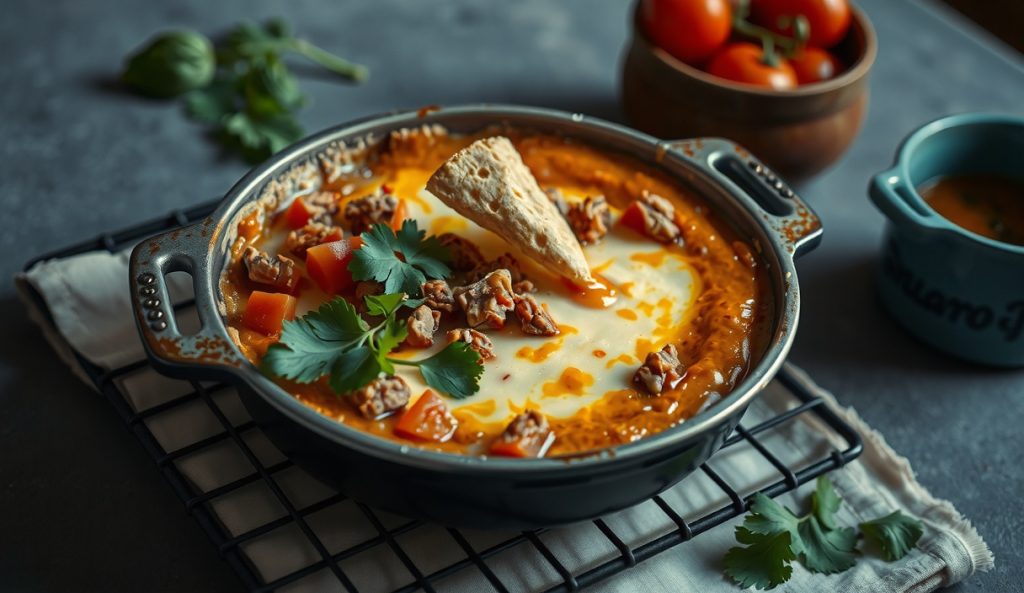
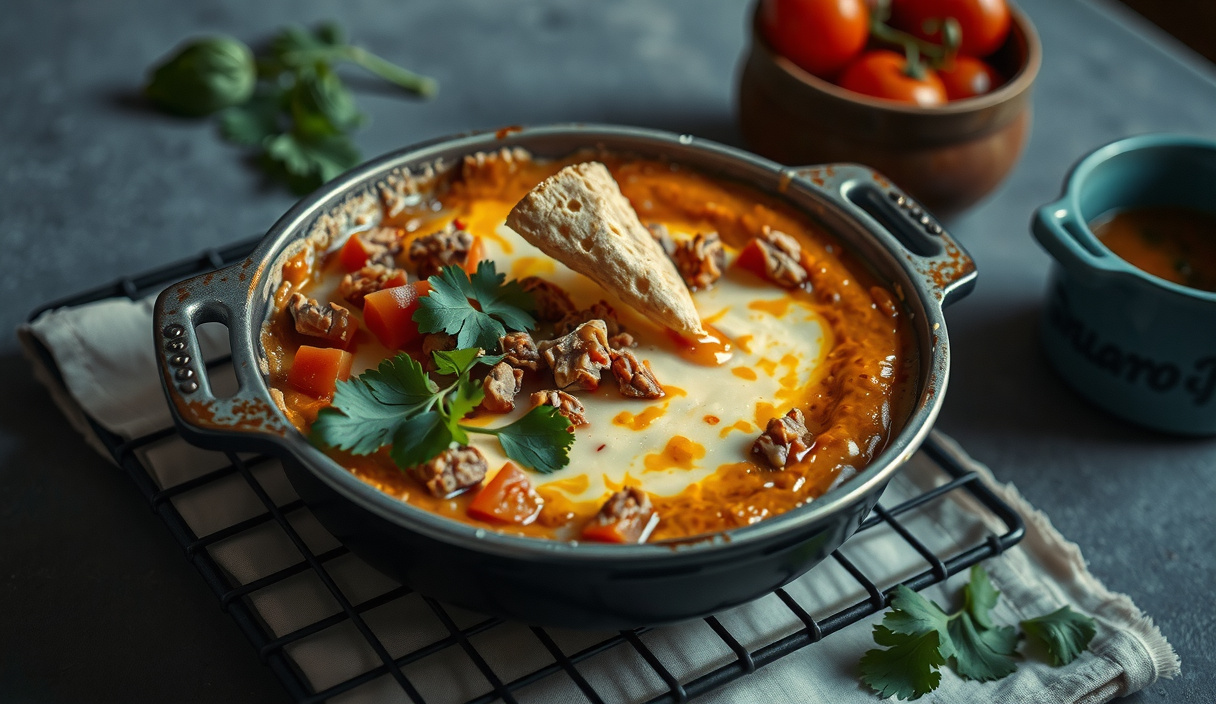
Smoked Queso Dip (Pellet Grill)
Equipment
- 1 Pellet grill or offset smoker Set to 250°F indirect heat with hickory or pecan pellets
- 1 Half-size disposable aluminum foil pan 9×13-inch; thin gauge for even heat transfer
- 1 12-inch skillet For browning the chorizo before assembly
- 1 Instant-read thermometer Optional but useful for confirming grill stability at 250°F
- 1 Sturdy spoon or silicone spatula For the two mandatory stirs during the smoke
Ingredients
Queso base
- 1 lb Velveeta processed cheese Cut into 1-inch cubes; do not substitute natural cheese without adding sodium citrate
- 1 can (10 oz) Rotel Original Diced Tomatoes and Green Chiles Do not drain; the liquid is part of the emulsion
Chorizo layer
- 8 oz fresh Mexican chorizo Loose bulk or removed from casing; not Spanish cured chorizo
- 1 tbsp rendered chorizo fat Reserved from the skillet after browning; discard the rest
Aromatics and finish
- 1 small white onion Finely diced, about 1/3 cup
- 1 jalapeño fresh jalapeño Seeded and minced; leave seeds in for more heat
- 2 cloves garlic Minced
- 1 tsp ground cumin
- ½ tsp smoked paprika Optional; deepens the smoked note
- ¼ cup fresh cilantro leaves Roughly chopped; added after the pan comes off the grill
- 1 lime fresh lime Juiced; squeezed over the top off heat only
For serving
- 1 large bag tortilla chips

Instructions
Prepare the grill
- Fire up your pellet grill and set it to 250°F with hickory or pecan pellets loaded. Allow the grill to reach and stabilize at temperature for at least 10 minutes before you place the pan on the grates. You want thin blue smoke, not thick white smoke — thick white smoke indicates incomplete combustion and will deposit acrid compounds on your queso.
Brown the chorizo
- Heat a 12-inch skillet over medium-high heat. Add the fresh Mexican chorizo, breaking it up with a spoon as it cooks. Cook for 7 to 9 minutes until fully browned and crumbled. Drain into a strainer or blot with paper towels, reserving exactly 1 tablespoon of the rendered chorizo fat. Discard the rest. Fully cooking and draining the chorizo before assembly prevents an oily break in the queso during the long smoke.8 oz fresh Mexican chorizo, 1 tbsp rendered chorizo fat
Build the foil pan
- In the disposable foil pan, add the cubed Velveeta in an even layer. Pour the entire can of Rotel tomatoes and green chiles — liquid and all — directly over the cheese. Scatter the cooked chorizo crumbles and the reserved tablespoon of chorizo fat over the top.1 can (10 oz) Rotel Original Diced Tomatoes and Green Chiles, 8 oz fresh Mexican chorizo, 1 tbsp rendered chorizo fat
- Add the diced white onion, minced jalapeño, minced garlic, ground cumin, and smoked paprika (if using) across the surface. Do not stir at this point — you want the aromatics to bloom in the rising heat before being folded in.1 small white onion, 1 jalapeño fresh jalapeño, 2 cloves garlic, 1 tsp ground cumin, 1/2 tsp smoked paprika
Smoke the queso
- Place the loaded foil pan directly on the grill grates over indirect heat. Close the lid. Cook at 250°F for 30 minutes without disturbing the pan.
- At the 30-minute mark, open the grill and stir the queso thoroughly with a sturdy spoon, folding the melted edges into the center and scraping the bottom of the pan. The cheese should be mostly melted with a few soft lumps remaining. Close the lid and continue cooking.
- At the 50-minute mark, stir again. The queso should now be fully molten, smooth, and beginning to show a slight gloss on the surface from smoke deposition. If the mixture appears too thick, stir in 2 tablespoons of whole milk at this point to loosen it slightly. Close the lid for the final 10 minutes.
- At 60 minutes total, remove the pan from the grill. Do not continue smoking beyond this point — extended phenolic deposition on a dairy-fat surface becomes bitter past the 60-minute mark.
Finish and serve
- Immediately after removing the pan from the grill, squeeze the fresh lime juice over the surface and scatter the fresh cilantro on top. Both go on off heat only — volatile aromatics in fresh cilantro evaporate within 10 minutes at smoker temperatures, and lime juice reads brightest when its acidity hits the hot dip cold rather than cooking in.1/4 cup fresh cilantro leaves, 1 lime fresh lime
- Serve immediately with tortilla chips alongside. The queso will hold its emulsion and temperature for 20 to 25 minutes in the foil pan without any heat source. If guests are not ready, cover loosely with foil and keep in a 200°F oven for up to 30 minutes.1 large bag tortilla chips
Notes
Nutrition
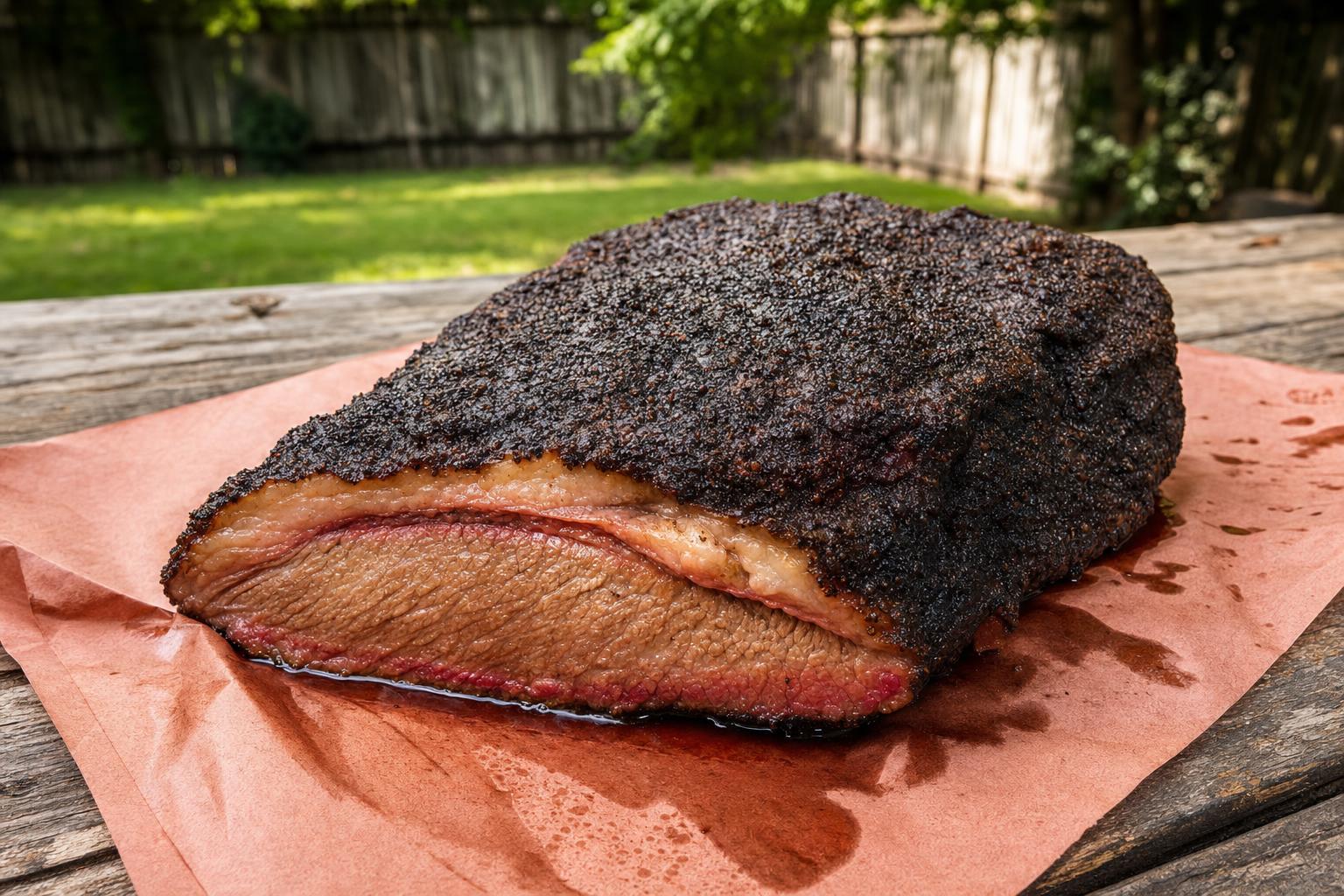
There is a specific moment at a backyard cookout — usually right around the time the brisket has another two hours to go — when you need something for the crowd to eat. Not just chips and store-bought salsa. Something that makes people stop mid-conversation and say, what is that smell? This smoked queso dip is that thing. Forty-five minutes into the cook, your pellet grill pumps out a low wave of hickory smoke that curls directly into a foil pan of molten, chorizo-studded queso. Smoked queso is one of the simplest applications of smoke-as-ingredient you will ever pull off, and it reliably upstages whatever protein is on the grates behind it.
This recipe leans deliberately on Velveeta, and we are not apologizing for that. The science here is genuinely interesting. If you have ever tried to melt a block of sharp cheddar in a sauce and watched it break into a greasy, grainy mess, you witnessed the protein aggregation problem firsthand. Velveeta sidesteps it entirely using sodium citrate — a sequestering salt that strips calcium ions from casein micelles, preventing them from clumping and allowing the fat and water phases to remain in a smooth, stable emulsion even at 250°F. The pellet grill is simply a flavor-delivery vehicle: hot enough to melt everything gently through convective airflow, cool enough that nothing scorches, and fragrant enough to turn a processed-cheese dip into something that tastes like it belongs at a competition BBQ.
Why does smoked queso work? The science
Smoked queso works because sodium citrate in Velveeta prevents the fat-protein separation that ruins natural-cheese dips at high heat. Processed cheese products like Velveeta are an engineering solution to a real food-physics problem. Natural cheeses are roughly 30–35% fat and 25–30% protein, with the casein network holding both in a semi-stable matrix. Apply heat and two bad things happen simultaneously: the fat melts out and pools (the oil-off phenomenon), and the casein proteins denature and aggregate, forming rubbery, grainy clumps. The fix is sodium citrate, present in Velveeta at roughly 2–3% by weight. Citrate ions are powerful chelators — they bind calcium, the cross-linking agent responsible for holding casein micelles together. Strip the calcium and the micelles disperse, freeing them to act as amphiphilic emulsifiers rather than clumping networks. The result is a continuous oil-in-water emulsion that remains pourable and glossy across a wide thermal window, which is exactly what you want when you are parking a foil pan on a smoker for an hour.
The Maillard reaction is not the primary mechanism in smoked queso — the cook runs well below the 280°F threshold needed for serious surface browning — but smoke itself is doing meaningful chemical work. Wood smoke is a complex aerosol carrying phenolic compounds (primarily guaiacol and syringol), carbonyl aldehydes, and organic acids. At 250°F in indirect convective heat, these compounds deposit continuously onto the high-fat, high-moisture surface of the queso. The fat phase acts as a solvent for lipophilic phenolics, sequestering them and releasing them slowly on the palate rather than blasting you with a sharp smoked-ham note. This is why smoked queso tastes integrated rather than perfumed: the same fat-partition physics that make a brisket fat cap taste different from the flat apply here at small scale.
Chorizo contributes two things beyond flavor: rendered fat that slightly enriches the emulsion, and the Maillard-product load from the browned meat surface — pyrazines, furanones, and sulfur-containing heterocyclics that land on the palate as savory depth. Because these compounds are largely water-soluble or loosely bound, they distribute readily into the aqueous phase of the queso as you stir. The Rotel tomatoes drop the pH of the system slightly (to roughly pH 4.5–5.0), which nudges the casein proteins toward their isoelectric point and gently tightens the emulsion texture without breaking it — a useful effect that makes the final dip thicker and more clingy on a chip than straight melted Velveeta alone would be.
What equipment and ingredients do I need?
Pellet grill or offset smoker: Smoked queso requires 250°F stable indirect heat with active smoke production. Any pellet grill (Traeger, Weber Smokefire, Pit Boss, Camp Chef) running hickory, pecan, or a competition blend works perfectly. A charcoal offset works too — add a small chunk of hickory or apple. Do not attempt smoked queso on a propane grill; you will get heat without smoke, which defeats the entire purpose.
Disposable aluminum foil pan (half-size, 9×13-inch): A disposable foil pan is cheap, conducts heat evenly, and eliminates cleanup entirely. Do not use a cast iron skillet — the thermal mass is too high and the queso will scorch along the bottom before the top melts. The thin aluminum pan keeps the temperature of the cheese mass within 10–15°F of the smoker ambient, which is exactly the gentle gradient you need.
Velveeta (not substitutable here): The sodium-citrate emulsion chemistry is the functional ingredient. A block of Velveeta contains roughly 2.5% sodium citrate by weight. If you substitute natural cheddar without adding your own sodium citrate (approximately 2% of cheese weight dissolved in a splash of water first), the dip will break. Velveeta is specified because it works, not because of a lack of imagination.
Mexican chorizo (fresh, not cured Spanish chorizo): Use the loose, crumbly, brick-red variety sold in a plastic sleeve or in bulk. Mexican chorizo must be fully cooked and crumbled before it goes into the pan — raw chorizo placed on top of the queso will not fully render in 60 minutes at 250°F. Cook the chorizo in a skillet first, drain the excess fat (retain about one tablespoon for flavor), and add it directly to the assembly pan.
Rotel Diced Tomatoes and Green Chiles (do not drain): The liquid in the can is part of the system — it adds water activity, mild acidity, and chile heat. The classic formulation uses original Rotel. Use hot Rotel to push the capsaicin level, or mild Rotel if you are feeding a crowd with variable heat tolerance.
Wood pellets: Hickory is the standard choice — it produces a moderate, savory smoke that pairs well with pork chorizo and cheese. Pecan is slightly sweeter and more forgiving if guests find hickory aggressive. Avoid mesquite entirely; at 60-minute exposure, mesquite smoke will push the bitterness threshold of phenolic compounds past what dairy fat can buffer.
Smoked Queso Dip (Pellet Grill)
Equipment
- 1 Pellet grill or offset smoker Set to 250°F indirect heat with hickory or pecan pellets
- 1 Half-size disposable aluminum foil pan 9×13-inch; thin gauge for even heat transfer
- 1 12-inch skillet For browning the chorizo before assembly
- 1 Instant-read thermometer Optional but useful for confirming grill stability at 250°F
- 1 Sturdy spoon or silicone spatula For the two mandatory stirs during the smoke
Ingredients
Queso base
- 1 lb Velveeta processed cheese Cut into 1-inch cubes; do not substitute natural cheese without adding sodium citrate
- 1 can (10 oz) Rotel Original Diced Tomatoes and Green Chiles Do not drain; the liquid is part of the emulsion
Chorizo layer
- 8 oz fresh Mexican chorizo Loose bulk or removed from casing; not Spanish cured chorizo
- 1 tbsp rendered chorizo fat Reserved from the skillet after browning; discard the rest
Aromatics and finish
- 1 small white onion Finely diced, about 1/3 cup
- 1 jalapeño fresh jalapeño Seeded and minced; leave seeds in for more heat
- 2 cloves garlic Minced
- 1 tsp ground cumin
- ½ tsp smoked paprika Optional; deepens the smoked note
- ¼ cup fresh cilantro leaves Roughly chopped; added after the pan comes off the grill
- 1 lime fresh lime Juiced; squeezed over the top off heat only
For serving
- 1 large bag tortilla chips
Instructions
Prepare the grill
- Fire up your pellet grill and set it to 250°F with hickory or pecan pellets loaded. Allow the grill to reach and stabilize at temperature for at least 10 minutes before you place the pan on the grates. You want thin blue smoke, not thick white smoke — thick white smoke indicates incomplete combustion and will deposit acrid compounds on your queso.
Brown the chorizo
- Heat a 12-inch skillet over medium-high heat. Add the fresh Mexican chorizo, breaking it up with a spoon as it cooks. Cook for 7 to 9 minutes until fully browned and crumbled. Drain into a strainer or blot with paper towels, reserving exactly 1 tablespoon of the rendered chorizo fat. Discard the rest. Fully cooking and draining the chorizo before assembly prevents an oily break in the queso during the long smoke.8 oz fresh Mexican chorizo, 1 tbsp rendered chorizo fat
Build the foil pan
- In the disposable foil pan, add the cubed Velveeta in an even layer. Pour the entire can of Rotel tomatoes and green chiles — liquid and all — directly over the cheese. Scatter the cooked chorizo crumbles and the reserved tablespoon of chorizo fat over the top.1 can (10 oz) Rotel Original Diced Tomatoes and Green Chiles, 8 oz fresh Mexican chorizo, 1 tbsp rendered chorizo fat
- Add the diced white onion, minced jalapeño, minced garlic, ground cumin, and smoked paprika (if using) across the surface. Do not stir at this point — you want the aromatics to bloom in the rising heat before being folded in.1 small white onion, 1 jalapeño fresh jalapeño, 2 cloves garlic, 1 tsp ground cumin, 1/2 tsp smoked paprika
Smoke the queso
- Place the loaded foil pan directly on the grill grates over indirect heat. Close the lid. Cook at 250°F for 30 minutes without disturbing the pan.
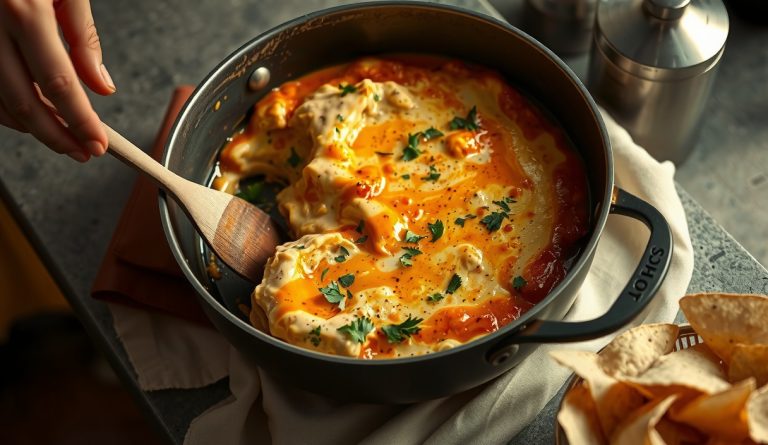
- At the 30-minute mark, open the grill and stir the queso thoroughly with a sturdy spoon, folding the melted edges into the center and scraping the bottom of the pan. The cheese should be mostly melted with a few soft lumps remaining. Close the lid and continue cooking.
- At the 50-minute mark, stir again. The queso should now be fully molten, smooth, and beginning to show a slight gloss on the surface from smoke deposition. If the mixture appears too thick, stir in 2 tablespoons of whole milk at this point to loosen it slightly. Close the lid for the final 10 minutes.
- At 60 minutes total, remove the pan from the grill. Do not continue smoking beyond this point — extended phenolic deposition on a dairy-fat surface becomes bitter past the 60-minute mark.
Finish and serve
- Immediately after removing the pan from the grill, squeeze the fresh lime juice over the surface and scatter the fresh cilantro on top. Both go on off heat only — volatile aromatics in fresh cilantro evaporate within 10 minutes at smoker temperatures, and lime juice reads brightest when its acidity hits the hot dip cold rather than cooking in.1/4 cup fresh cilantro leaves, 1 lime fresh lime
- Serve immediately with tortilla chips alongside. The queso will hold its emulsion and temperature for 20 to 25 minutes in the foil pan without any heat source. If guests are not ready, cover loosely with foil and keep in a 200°F oven for up to 30 minutes.1 large bag tortilla chips
Notes
Nutrition
How do I nail smoked queso every time? Tips and technique
- Get the grill to temperature before the pan goes on. Cold-start smoking causes a period of incomplete combustion that deposits acrid, creosote-heavy smoke. Wait until your pellet grill has been running at 250°F for at least 10 minutes and is producing thin blue smoke, not thick white billowing smoke. Thick white smoke means wet combustion and will make the queso taste like an ashtray.
- Brown and drain the chorizo before assembly. Undrained chorizo fat on top of the cheese creates an orange grease layer that will not integrate properly at low heat. Cook the chorizo in a skillet until fully crumbled and browned — the goal is adding Maillard-product load to the dip, not raw fat — then drain and add directly to the pan with one tablespoon of the rendered fat retained for flavor.
- Cut the Velveeta into 1-inch cubes. Surface area is the rate-limiting step in the melt. A full Velveeta block dropped into the pan whole will have a raw center for the first 30 minutes while the edges are already beginning to scorch. Cut the block into 1-inch cubes and the entire mass reaches serving temperature within 20–25 minutes, leaving a full 35–40 minutes of smoke integration time.
- Stir at 30 minutes and again at 50 minutes. The stirring protocol is not optional. At 250°F, the bottom of the thin foil pan is hotter than the surface. Without stirring, localized overheating along the base can push the emulsion toward the break point and concentrate phenolic smoke compounds in layers rather than distributing them evenly. Two stirs is sufficient — over-agitation will sacrifice surface smoke deposition.
- Do not exceed 60 minutes at temperature. Past 60 minutes, continued phenolic deposition and slight moisture loss will tip the flavor from pleasantly smoky into overwhelmingly so. If guests are not ready, pull the pan off the grill, cover with foil, and rest it in a warm oven at 200°F — the smoked queso will hold happily for up to 30 minutes without breaking or over-smoking.
- Finish with acid and fresh herb after the cook, not before. Cilantro and any fresh lime juice go on after the pan comes off the grill. The volatile aromatic compounds in fresh cilantro (primarily linalool and decanal) evaporate at smoker temperatures within 10 minutes, leaving nothing but oxidized green notes. The same logic applies to lime: citric acid is most perceptible on the finish when applied cold to a hot dip rather than cooked in.
What variations can I make with smoked queso?
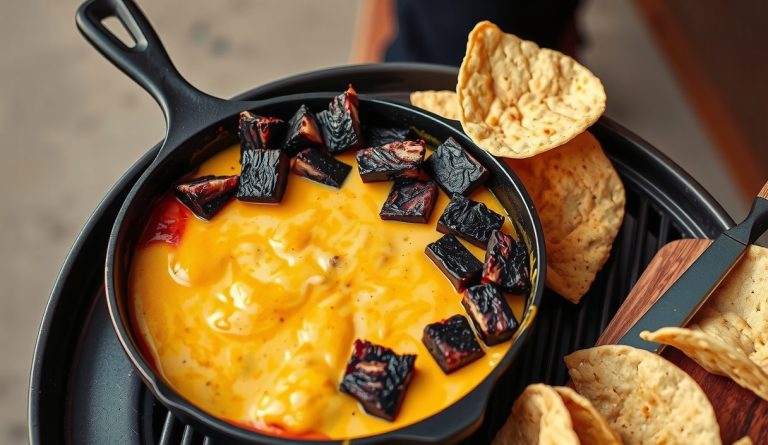
Brisket burnt end queso: Swap the chorizo for roughly 6 ounces of chopped brisket burnt ends — ideally from the point end after a full smoke. The deep Maillard crust on a burnt end (loaded with pyrazines and melanoidins from the bark) integrates into the queso the same way chorizo does, but delivers a longer, more complex savory finish. Add a tablespoon of your favorite BBQ sauce to the pan alongside the burnt ends to replace the paprika sweetness that chorizo normally provides.
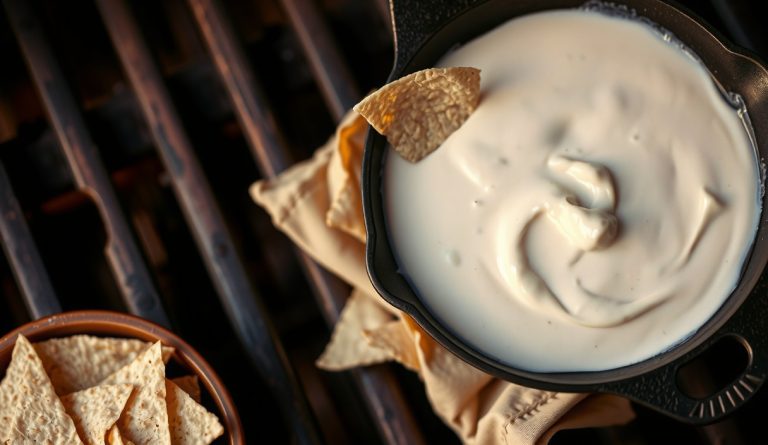
White queso variation: Replace half the Velveeta with a block of white American cheese (the deli-counter kind, not individually wrapped singles). White American also contains sodium citrate or similar emulsifying salts and remains stable throughout the cook. The flavor profile shifts toward a creamier, less aggressively cheesy base that pairs particularly well with green chiles, white corn, and tomatillo salsa stirred in at assembly. Use a lighter wood like apple or cherry rather than hickory to let the subtler dairy notes come through.
Scaling for a large crowd: This smoked queso recipe scales linearly. Double the batch — two pounds of Velveeta, two cans of Rotel, one pound of chorizo — in a full-size half-hotel aluminum pan (approximately 12×20 inches). The cook time at 250°F extends to approximately 75–80 minutes, with stirs at 35 and 60 minutes. The surface-area-to-volume ratio drops with the larger batch, which slightly lengthens the melt window but does not affect emulsion stability. Smoke penetration remains adequate because the queso surface stays fully exposed.
Dairy-forward upgrade using natural cheese: To use natural cheeses instead of Velveeta, you must add sodium citrate yourself — approximately 14 grams (just under one tablespoon) dissolved in two tablespoons of water per pound of cheese. Combine the sodium-citrate solution with shredded Monterey Jack and sharp cheddar (50/50 blend), heat gently in the foil pan for the first 20 minutes until the emulsion establishes, then add Rotel and pre-cooked chorizo and continue the smoke as written. The flavor complexity is higher, but so is the margin for error — without citrate, the result will be a greasy, broken sauce.
Frequently asked questions about smoked queso
Can I make smoked queso in a slow cooker instead of a smoker? Technically yes — the emulsion chemistry does not care about the heat source. But a slow cooker produces zero smoke flavor, which eliminates the entire point of this recipe. For an indoor version, use the stovetop with a sodium-citrate cheese sauce and add a half-teaspoon of smoked paprika and a few drops of liquid smoke used sparingly. The result approximates the flavor but is not the same experience as a true pellet-grill smoked queso.
My smoked queso looks oily and broken after 60 minutes — what happened? One of three things went wrong: the grill ran hot and the pan bottom exceeded approximately 280°F; the chorizo fat was not drained and the additional free lipid overwhelmed the emulsifier load; or the queso was not stirred and localized overheating caused phase separation in the bottom layer. The fast fix is to add two to three tablespoons of whole milk or evaporated milk while stirring vigorously off heat. The added water and casein proteins will re-establish the emulsion in most cases. If the dip has fully broken, the texture will not fully recover, but the flavor will still be there — serve it and no one will complain.
Which wood pellets work best for smoked queso, and which should I avoid? Hickory and pecan are the two optimal choices for smoked queso. Hickory delivers a classic BBQ smoke note that plays well against pork chorizo. Pecan is milder and sweeter with a slight nuttiness that works well with the dairy fat. Fruit woods (apple, cherry) produce very light smoke — adequate, but you will need closer to 75 minutes of exposure to achieve meaningful smoke flavor. Avoid mesquite entirely for this application. The high-phenol smoke from mesquite becomes bitter and acrid when deposited on a dairy-fat surface over an extended period, and 60 minutes is long enough to push the queso past the palatability threshold.