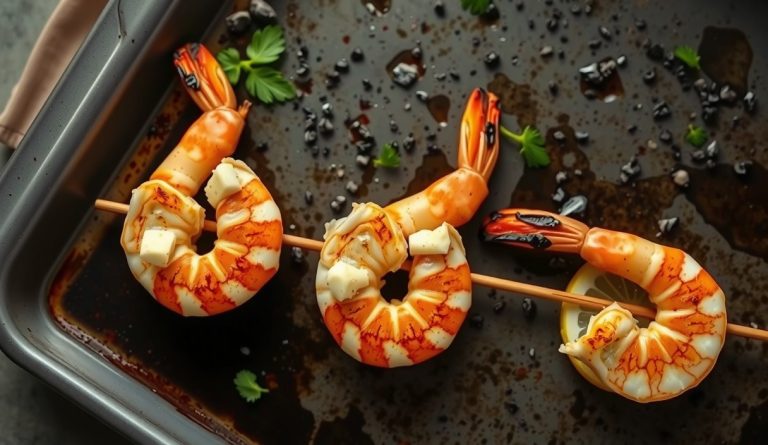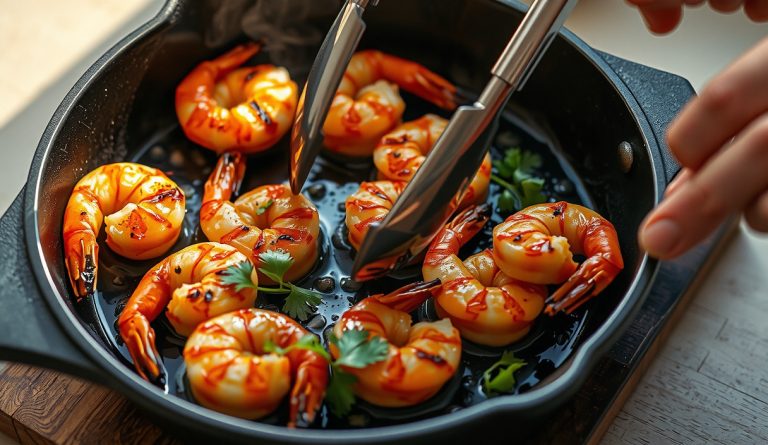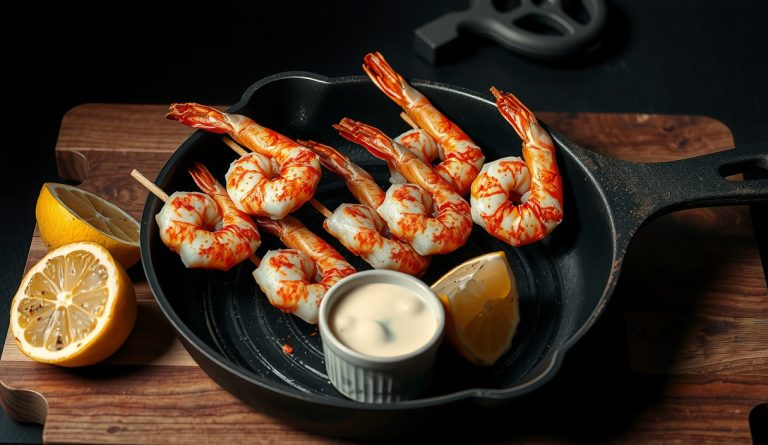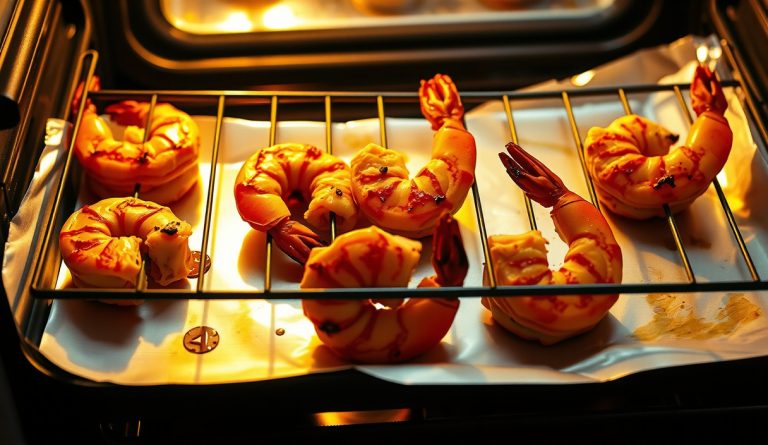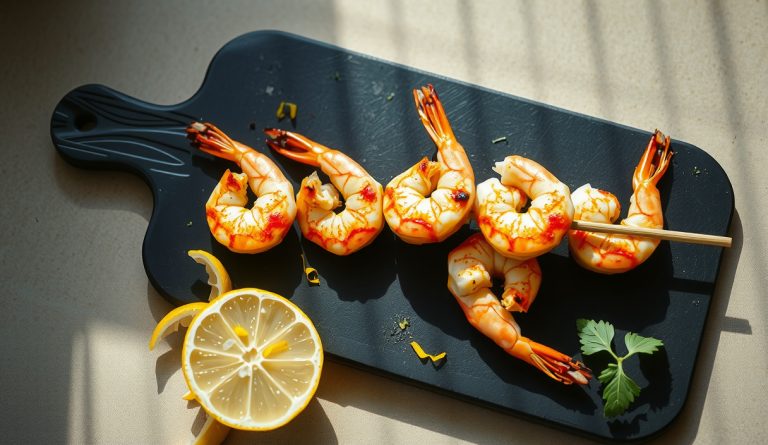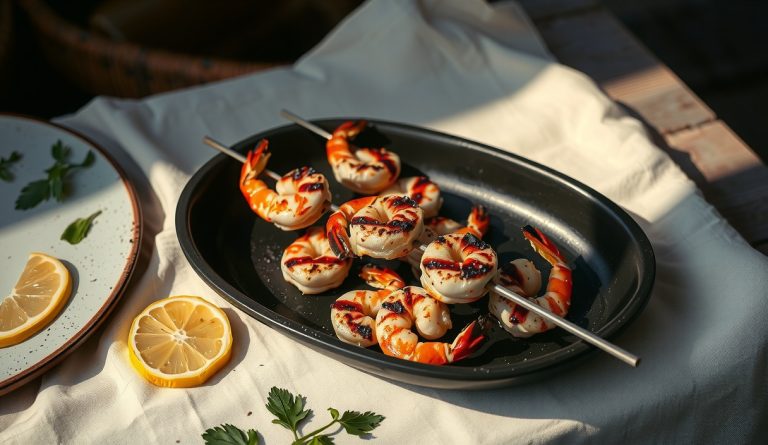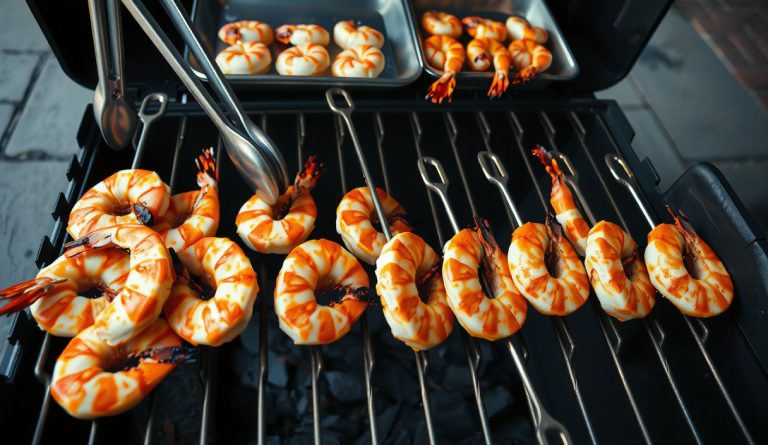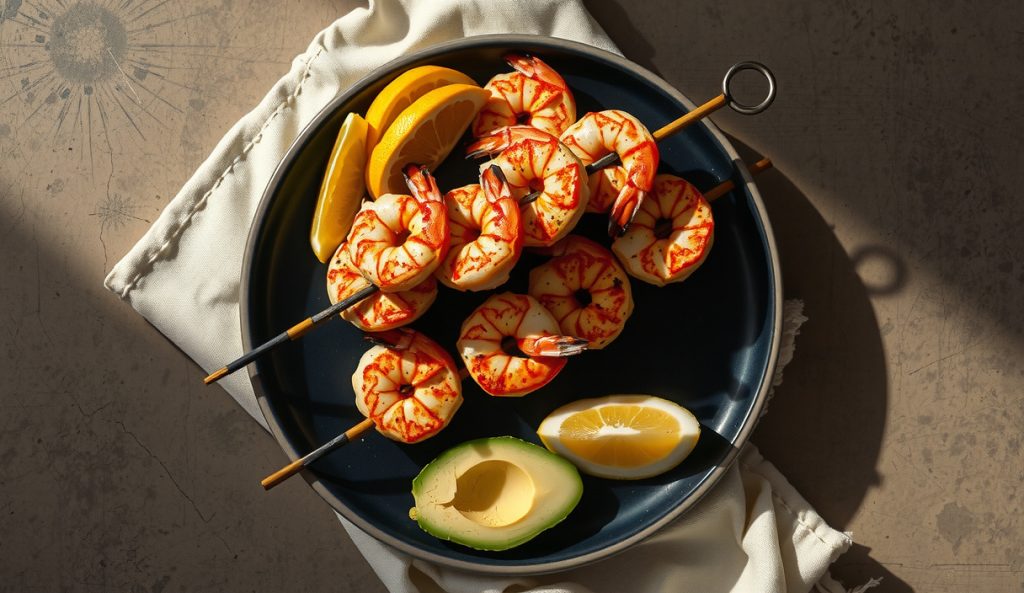
Shrimp is one of the most keto-compatible proteins on the grill: virtually zero carbohydrates, high protein, and enough surface area to build a proper Maillard crust in two minutes per side. The canonical Grilled Cajun Shrimp Skewers recipe is already very low-carb at its core — but the dry rub and any accompanying sauce require a precise sugar audit before this cook can be declared genuinely ketogenic.
What changes to make this recipe keto?
Sugar in the Cajun rub. Many Cajun rub formulas include a small amount of brown sugar or turbinado — sometimes as little as a teaspoon per batch — to encourage faster Maillard browning and temper cayenne heat. At a 500°F grate, however, sucrose is not required to drive the browning cascade. Smoked paprika already supplies reducing sugars (glucose and fructose liberated during the smoking and drying process) that feed the Maillard reaction independently. If the canonical rub includes any added sugar, replace it 1:1 by weight with allulose.
Allulose is a rare monosaccharide that browns and caramelizes almost identically to sucrose — same Maillard participation, same color development — while contributing effectively 0.2 kcal/g and zero net carbs. Erythritol and monk-fruit blends are an alternative but carry two caveats for this application: erythritol does not caramelize (it recrystallizes on cooling, creating a gritty mouthfeel on the crust), and both can produce a perceptible cool-sweet aftertaste at rub concentrations. Allulose is the correct technical choice for a hot, fast sear on the Cajun shrimp rub.
Dipping sauces and glazes. If the Cajun shrimp skewers are served with a remoulade, cocktail sauce, or any ketchup-based condiment, that is where the carb load spikes. Standard ketchup runs roughly 4g sugar per tablespoon; commercial remoulade often adds honey or sweet pickle relish. Build a keto remoulade from full-fat mayonnaise, Dijon mustard, capers, hot sauce, lemon juice, and smoked paprika — zero sugar, full flavor. Cocktail sauce can be reconstructed with unsweetened tomato paste, prepared horseradish, lemon, and a small amount of allulose in place of the standard ketchup base, landing under 1g net carbs per serving.
Sides and serving vehicle. If the canonical recipe suggests crusty bread for mopping butter or a rice-based side, replace with: cauliflower rice tossed in the same Cajun rub and finished in a cast-iron skillet for char, or grilled halved romaine hearts for crunch and slight bitterness that amplifies the cayenne. Pork rind croutons alongside the skewers add textural contrast and additional fat without carbs.
Net-carb delta. A canonical serving of Cajun shrimp skewers with a sugared rub and ketchup-based dipping sauce runs approximately 8–12g net carbs. With an allulose rub and a keto remoulade, the same serving drops to 1–2g net carbs — a reduction of roughly 85%.
What stays the same in the keto version?
The protein, fat, heat protocol, skewering geometry, and the two-minute-per-side direct sear at 500°F are untouched in the keto adaptation. Shrimp’s myofibrillar protein structure, the 140–145°F target internal temperature window, the smoked paprika Maillard cascade, and the capsaicin-driven trigeminal heat from cayenne all operate identically whether or not sucrose is present in the rub.
When is the keto version the better choice?
This keto adaptation of Grilled Cajun Shrimp Skewers is the right call for anyone maintaining nutritional ketosis, managing blood glucose, or simply keeping carbohydrates low without sacrificing the flavor architecture that makes Cajun shrimp worth the four-minute cook commitment. An allulose rub on a 500°F grate produces a crust that is genuinely indistinguishable from the sucrose original in color, texture, and flavor.
The full technique — heat-zone setup, dual-point skewering, and the exact flip timing — lives at the original Grilled Cajun Shrimp Skewers recipe.