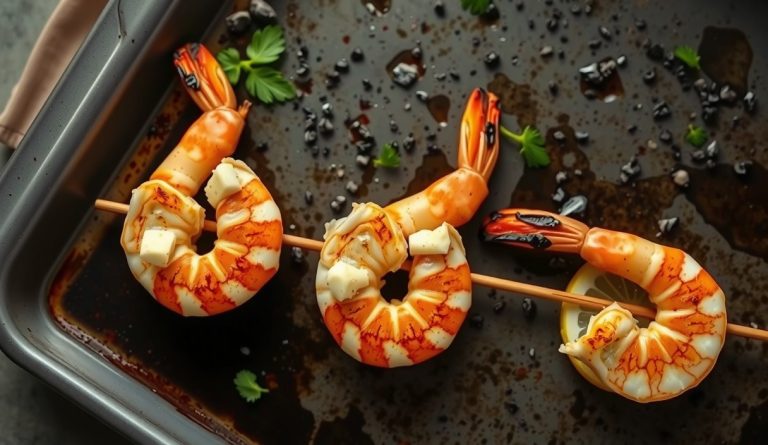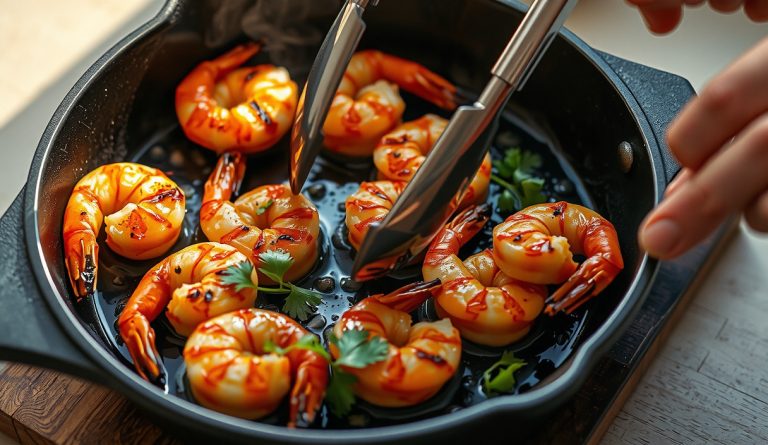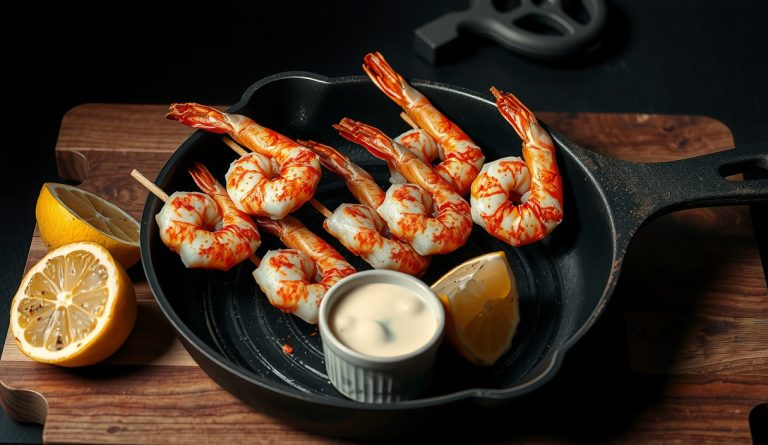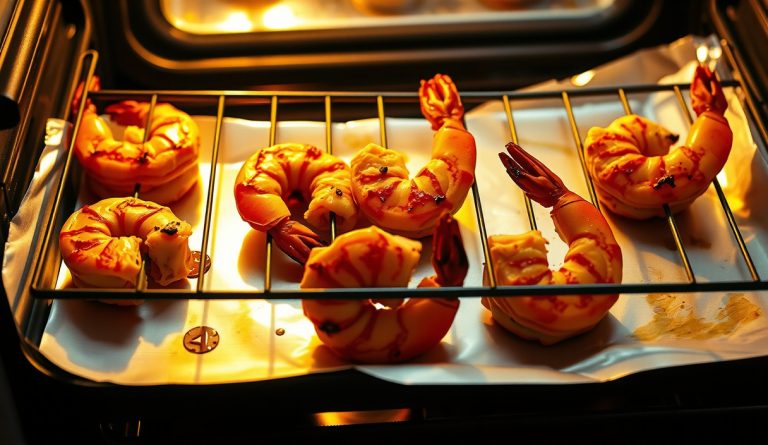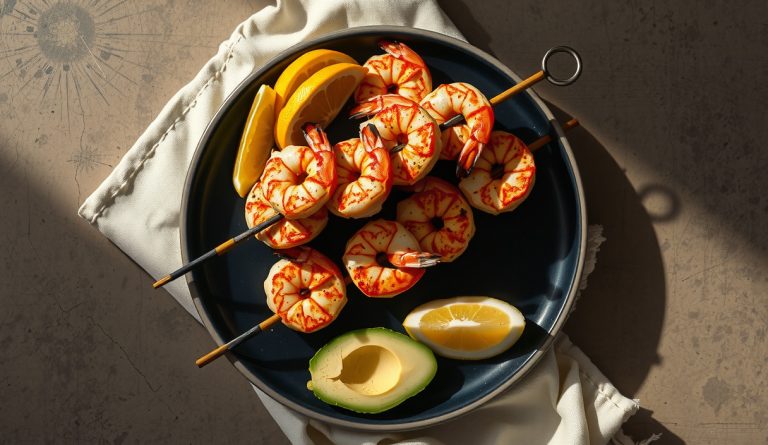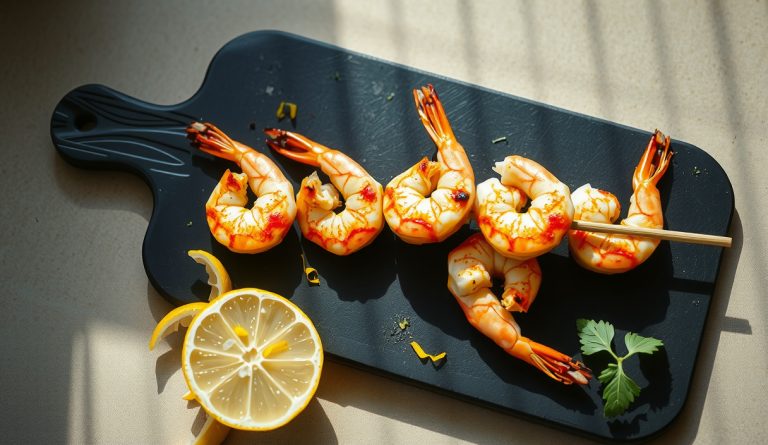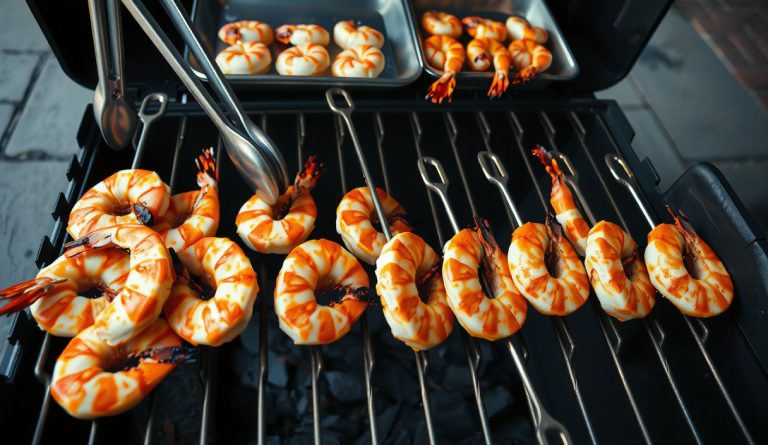
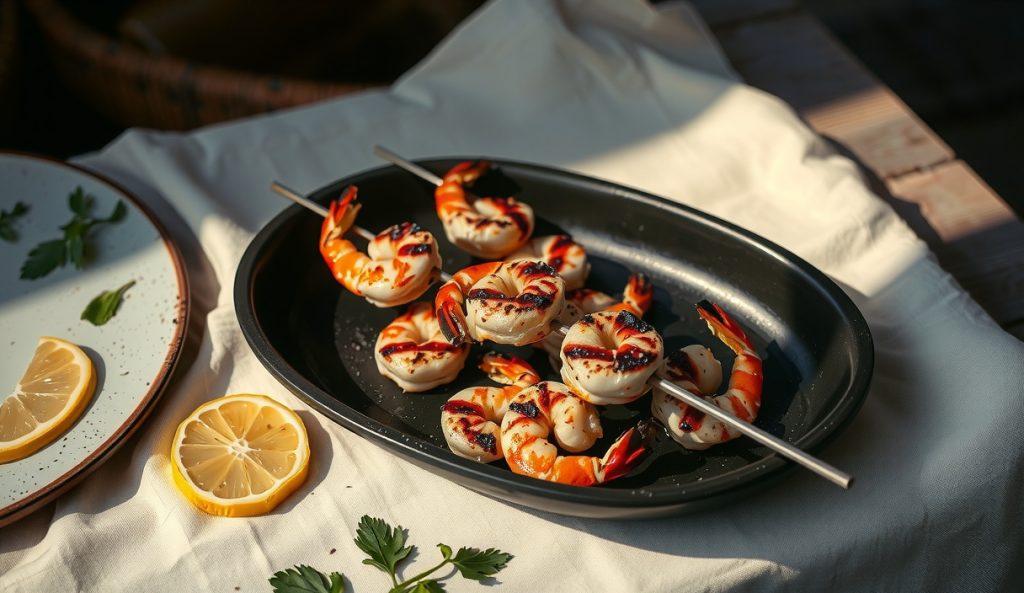
Salt is not optional decoration in a Cajun rub — it performs three distinct jobs simultaneously: drawing surface moisture to dissolve spice compounds for better adhesion, initiating superficial protein denaturation so the rub bonds to the shrimp’s surface, and providing ionic contrast that makes every other flavor register more distinctly on the palate. Cutting sodium in this recipe requires compensating on all three fronts, not simply sprinkling in a salt substitute and hoping for the best.
What changes when you cut sodium from Cajun shrimp skewers?
Rub salt reduction: 60–65%. Pull the salt in the Cajun rub down by roughly two-thirds from its standard level. That is the honest ceiling — dropping below 35% of the original salt weight produces a crust that fails to bind properly and tastes genuinely flat against the capsaicin load of the cayenne. If you use a potassium chloride salt substitute (Nu-Salt, NoSalt), you can restore some ionic bite, but respect its threshold: potassium chloride tastes metallic and faintly bitter at concentrations above roughly 30% of the total salt fraction in a high-spice rub. Use it at 20–25% replacement of the removed sodium chloride and no more.
Timing constraint with potassium chloride. The bitterness of potassium chloride compounds if the shrimp sits in the rub longer than 20 minutes. Season the shrimp immediately before grilling — not during prep, not during pre-heat. This single timing rule prevents the metallic off-note that ruins the low-sodium version for most first-time attempts.
Rebuilding flavor without sodium: three directions. First, add lemon or lime zest to the rub — citrus limonene and citral compounds stimulate salivation and sharpen flavor perception independently of sodium, mimicking salt’s palate-brightening effect. Second, increase the smoked paprika fraction by 20–25% and add a small amount of ground sumac (tart, fruity acidity) to the rub; these two moves reconstruct the flavor complexity that sodium normally amplifies. Third, finish the skewers immediately off the grill with a squeeze of fresh lemon directly onto the hot crust — acid applied to hot Maillard compounds produces new volatile esters in real time, adding aromatic brightness that partially compensates for the missing ionic enhancement.
High-sodium store-bought components are a hidden trap. Any pre-made Cajun seasoning blend, bottled remoulade, or commercial hot sauce used as a table condiment can carry 200–400 mg sodium per teaspoon. Check labels rigorously and build condiments from scratch. Tabasco original runs approximately 35 mg per teaspoon — acceptable in this context. Crystal Hot Sauce runs about 160 mg per teaspoon — use sparingly or dilute with cider vinegar.
Bark reality check. A 60% sodium reduction will produce a slightly less aggressively crusty bark — be honest with yourself about that trade-off. The Maillard reaction still occurs, because paprika’s reducing sugars and garlic powder’s sulfurous precursors are intact, but the protein denaturation that creates the tacky surface for rub adhesion is weaker. Compensate by patting the shrimp very dry with paper towels before rubbing, which maximizes direct spice-to-flesh contact and reduces the evaporative steam layer at the grate surface.
What stays exactly the same in the low-sodium version?
The 500°F direct sear, two-minute-per-side timing, dual-point metal skewering, smoked paprika–cayenne–thyme flavor triad, and the 140–145°F internal temperature target are completely unchanged in the low-sodium version. Smoke uptake, Maillard browning from the spice coating, and capsaicin’s trigeminal impact are sodium-independent mechanisms — they perform identically at reduced salt levels regardless of how deeply the sodium is cut.
Who is this low-sodium version designed for?
This version is designed for cooks managing hypertension, heart failure fluid retention, or a daily sodium budget under 1,500 mg who do not want to abandon bold-flavored grilling. The citrus-and-smoke compensation strategy genuinely replaces much of what sodium was doing perceptually — not perfectly, but honestly enough to keep Cajun shrimp skewers in regular rotation on a medically restricted diet.
For the complete method, heat-zone details, and skewering geometry, visit the original Grilled Cajun Shrimp Skewers recipe.