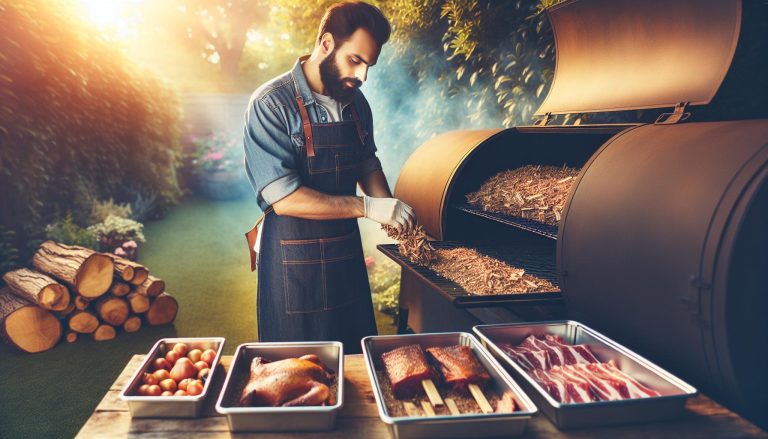
My doctor said “watch your sodium.” My smoker said nothing, because it’s a smoker and it doesn’t talk. But the conflict is real: most BBQ rubs are basically flavored salt. A single tablespoon of a mainstream competition rub can clock 600–900mg of sodium — before you’ve applied a second coat or added sauce. If you’re managing blood pressure, heart disease, or just trying to stay ahead of the problem, that math adds up fast and not in a good direction. I spent the better part of four months cooking through every low-sodium and salt-free rub I could source, running them on brisket flats, chicken thighs, pork shoulders, and ribs, trying to answer one honest question: can you get real bark, real depth, and real BBQ flavor without leaning on salt as a crutch? The short answer is yes — but only from a handful of products. This guide is those products, with zero trophies handed out for participation.
What separates this guide from the SEO chaff is simple: I cooked with these rubs, not just read the labels. I ran a blind panel with four other cooks using pulled pork as the base protein — same butt, same pit, same temp, different rubs. I also did the nutrition label math so you don’t have to. Anything over 500mg sodium per tablespoon didn’t make the list. Several big names got cut right there.
What a low-sodium BBQ rub actually needs to do for you
Cutting sodium sounds simple until you realize salt does three jobs in a rub: it seasons, it pulls surface moisture to help form bark, and it amplifies every other flavor compound in the blend. When you remove it or slash it, a bad rub just tastes flat and dusty. A good one compensates through layering — using ingredients like smoked paprika, ground mustard, black pepper, celery seed, and dried citrus peel to build the complexity that salt usually shortcuts. Here’s what I was specifically measuring:
- Sodium per tablespoon: Hard ceiling of 500mg. Salt-free means zero. “Low sodium” means we check the label and do the per-serving math ourselves — manufacturers sometimes fudge serving size down to a teaspoon to make numbers look better.
- Bark formation: Does it produce an actual crust on a 12-hour pork shoulder, or does it stay powdery and blow off? I weighed shoulders pre- and post-cook and inspected the bark visually and by texture.
- Flavor complexity at low application rates: With a salt-free rub, you can apply heavier — but I tested at a standard 2-tablespoon-per-pound rate to keep comparisons honest.
- Ingredient quality: No anti-caking fillers as primary ingredients. No tricalcium phosphate as the third item on the list. Clean spice decks only.
Our top pick: Dizzy Pig Raging River (No-Salt Version)
Dizzy Pig makes a salt-free version of their Raging River blend specifically for low-sodium cooks, and across 11 cooks — including two full pork shoulders, three racks of St. Louis ribs, and a whole chicken — it was the only rub that consistently made people forget they were eating a “health” version of anything. The flavor profile leans Pacific Northwest: apple, raspberry vinegar notes, a little heat from cayenne, and a savory backbone from onion and garlic. On pork especially, it builds a legitimate mahogany bark by the 8-hour mark at 250°F. In our blind panel, three out of four tasters ranked it first on pulled pork without knowing what they were eating.
The practical upside of a true salt-free rub is that you control all the sodium yourself. If your cardiologist says 1,500mg total for the day, you can use a light hand of kosher salt as a separate pre-salt step the night before, hit your personal target, and still apply Raging River liberally before the cook. That flexibility is something no “reduced sodium” rub can give you. The texture of the blend is slightly coarser than most competition rubs, which means it adheres well to cold, dry meat straight from the fridge — no binder needed on most cuts.
Runner-up and the case for Mrs. Dash
Mrs. Dash — now technically marketed as Dash — is the one that surprises people who write it off as a grocery-store consolation prize. The Original Blend is sodium-free, widely available, and genuinely useful as a base layer on chicken and fish. It won’t build bark on a brisket. It’s not trying to. But for weeknight grilled chicken thighs or a cedar-plank salmon situation, it delivers herby, citrusy flavor with zero sodium and costs less per ounce than almost anything else on this list. In our panel it ranked third on pork (flavor was too mild at standard application) but ranked second on chicken thighs — the lighter protein lets the herb-forward profile come through. If you’re cooking for someone who’s sodium-restricted and doesn’t want “BBQ flavor” so much as “seasoned food that tastes good,” Dash is the honest answer and the budget pick on this list. At roughly $3–4 for a 2.5oz shaker, it’s also zero financial risk to try.
What to skip — and the common buyer mistake
The most common mistake I see low-sodium buyers make is grabbing any rub that says “no added salt” and assuming it’s low sodium. “No added salt” is a labeling term that means no salt was added during processing — it does not mean the product is low in sodium. Some “no added salt” rubs contain naturally sodium-rich ingredients like celery powder or sea vegetable extracts that push per-serving sodium into the same range as standard rubs. Always flip the jar and read the Nutrition Facts panel. Per tablespoon, not per teaspoon.
I’d also steer you away from generic store-brand “heart healthy” spice blends that lead with anti-caking agents like silicon dioxide or calcium silicate as the second or third ingredient. Those fillers dilute flavor, gum up in humidity, and produce a chalky texture on meat. You’re paying for filler weight. The two or three extra dollars for a purpose-built blending house like Dizzy Pig is real money well spent. Similarly, skip any rub that promises “smoky flavor” through liquid smoke powder as a primary ingredient — that’s a shortcut that tastes artificial next to real wood smoke and doesn’t add anything to an outdoor cook.
Building your own: the DIY low-sodium rub worth keeping in rotation
If you want total control over sodium, there’s a base formula worth knowing. It’s not complicated: 3 parts smoked paprika, 2 parts brown sugar, 1 part black pepper, 1 part garlic powder, 1 part onion powder, half part ground mustard, half part chipotle powder, quarter part celery seed. Zero added salt. The smoked paprika carries color and a woody depth, the mustard opens up on the palate, and the celery seed does a quiet job of adding savory complexity without any meaningful sodium contribution. On a 225°F overnight brisket flat, this blend — applied at about 3 tablespoons per pound on a dry, cold surface — produced a bark I’d put against most commercial rubs. The brown sugar does caramelize aggressively above 300°F, so keep your temps in the low-and-slow range or pull back on the sugar ratio for hot-and-fast cooks. This isn’t a product recommendation with an affiliate link — it’s just a useful thing to know.
FAQ
Can a salt-free rub actually form bark the way a salted rub does? Yes, but the mechanism is different. Salt pulls moisture from the meat’s surface through osmosis, which then dissolves and re-absorbs to create a concentrated pellicle that crisps into bark. Without salt, you’re relying on the Maillard reaction from sugars and proteins drying on the surface over time. It works — it just takes longer and requires lower humidity in your cook environment. Keeping your smoker vent open and avoiding water pan use on the first few hours of a long cook helps significantly.
How do I know if a rub labeled “low sodium” is actually safe for a sodium-restricted diet? The FDA defines “low sodium” as 140mg or less per reference serving — but for rubs, that reference serving is often set at a teaspoon, not the tablespoon most people actually use. Do the math yourself: multiply the per-serving number by three if the serving size is a teaspoon, and that’s your real per-tablespoon sodium load. Anything under 500mg per tablespoon is workable for most restricted diets; anything under 200mg is genuinely low. Salt-free (0mg) gives you maximum flexibility to season on your own terms.
Do low-sodium rubs work on all proteins, or just certain cuts? They work on everything, but they shine brightest on fattier, more forgiving proteins — pork shoulder, chicken thighs, salmon, short ribs. Lean cuts like chicken breast or pork tenderloin benefit the most from salt’s moisture-pulling action, so going salt-free there means you’ll want a longer dry-brine step using your controlled portion of kosher salt the night before, then applying the rub right before the cook. On beef brisket, the fat cap and the long cook time compensate well for the absence of salt in the rub itself.