Key Takeaways
- Choosing the Right Grill: Understand the pros and cons of various types of grills, including charcoal, gas, electric, and pellet grills to select the one that suits your needs.
- Essential Grilling Tools: Equip yourself with key tools like grill tongs, spatula, grill brush, and meat thermometer to enhance your grilling experience.
- Basic Grill Menu Ingredients: Stock up on essential ingredients such as chicken breasts, steak, vegetables, and seasonings to create a versatile and delicious grill menu.
- Preparation Before Grilling: Properly marinate your meats and prep vegetables to ensure outstanding flavors and perfect textures.
- Grilling Techniques: Learn fundamental grilling techniques for lighting your grill, managing temperature, and cooking different types of food to achieve excellent results.
Equipment and Tools Needed for Grilling
Equipping yourself with the right grilling gear is crucial for success. This guide covers the essentials to help you get started.
Choosing the Right Grill
The first step in your grilling journey is selecting the appropriate grill. Here are the main types to consider:
- Charcoal Grills: These grills offer exceptional flavor and searing capabilities. They require more time for setup and temperature control but are loved for the smoky flavor they impart.
- Gas Grills: Ideal for convenience, gas grills heat quickly and allow precise temperature control. They are perfect for those who prefer a faster, hassle-free grilling experience.
- Electric Grills: Suitable for indoor use and areas with restrictions on open flames. While they lack the classic smoky flavor, they offer a practical alternative.
- Pellet Grills: Combine the flavor of charcoal with the convenience of gas. They use wood pellets as fuel, providing excellent flavor and automated temperature control.
Essential Grilling Tools
Having the right tools enhances your grilling experience. Make sure to have these must-have items in your grilling arsenal:
- Grill Tongs: Long, sturdy tongs are essential for flipping and moving food safely.
- Spatula: A metal spatula with a sharp edge helps with flipping burgers, fish, and other delicate items.
- Grill Brush: Keeping your grill clean is crucial. Use a grill brush to scrub off residue after each use.
- Meat Thermometer: Ensures accurate cooking temperatures, critical for perfectly cooked meats.
- Chimney Starter: For charcoal grills, a chimney starter makes lighting briquettes easy and quick.
- Grill Basket: Great for grilling smaller items like vegetables or seafood, preventing them from falling through the grates.
- Heat-Resistant Gloves: Protect your hands from high temperatures when handling hot items or adjusting vents.
- Basting Brush: Apply sauces and marinades evenly with a silicone basting brush.
- Skewers: Use metal or soaked wooden skewers for kebabs and grilled skewered dishes.
Ingredients for a Basic Grill Menu

Ready to fire up the grill? Here are the essential ingredients you’ll need for a flavorful and satisfying basic grill menu. Follow our suggestions for meats, vegetables, marinades, and seasonings to ensure your grilling experience is top-notch.
Meats and Alternatives
- Chicken Breasts: Boneless and skinless, about 1 pound
- Steak: Ribeye or sirloin, around 1 inch thick, 2 steaks
- Sausages: Pre-cooked or fresh, about 4 sausages
- Fish Fillets: Salmon or tilapia, approximately 1 pound
- Portobello Mushrooms: 4 large caps for a vegetarian grilling option
Vegetables and Sides
- Bell Peppers: 3 assorted colors, cored and cut into quarters
- Zucchini and Squash: 2 medium-sized each, sliced lengthwise
- Red Onions: 2 large, sliced into thick rings
- Corn on the Cob: 4 ears, husked
- Asparagus: 1 bunch, trimmed
- Potato Wedges: 4 large potatoes, sliced into wedges
- Olive Oil: 1/2 cup for brushing and marinating
- Garlic: 6 cloves, minced
- Lemon Juice: 1/4 cup
- Soy Sauce: 1/4 cup
- Worcestershire Sauce: 2 tablespoons
- Paprika: 1 tablespoon
- Salt and Pepper: To taste
- Fresh Herbs: 2 tablespoons of chopped rosemary, thyme, or parsley
With these key ingredients, you can create a versatile and delectable grill menu that will impress your guests and make your grilling adventure a delicious success.
Preparation Before Grilling

Mastering the grill starts long before you light the coals. Proper preparation ensures outstanding flavors and perfect textures. Here’s what you need to do:
Marinating Your Ingredients
Marinating can elevate your meats and veggies, infusing them with delectable flavors. For a simple yet effective marinade, combine:
- 1/4 cup olive oil
- 2 tablespoons soy sauce
- 2 tablespoons lemon juice
- 2 minced garlic cloves
- 1 teaspoon black pepper
- 1 teaspoon dried rosemary
Place your chicken breasts or steaks in a zip-lock bag, pour in the marinade, and let sit for at least 30 minutes or up to 8 hours in the refrigerator. For vegetables like bell peppers and asparagus, a quick 15-minute soak will do.
Prepping Vegetables and Sides
Wash and dry your vegetables thoroughly. Cut them into grill-friendly sizes:
- Slice bell peppers into strips.
- Trim asparagus ends.
- Halve zucchinis lengthwise.
Toss veggies with a bit of olive oil, salt, and pepper. For sides like corn on the cob, brush with butter and season as desired before wrapping in aluminum foil. This preparation ensures they cook evenly and retain their vibrant flavors.
Setting Up Your Grill
Before ignition, ensure your grill is clean. Scrub the grates with a grill brush to remove any residue. For a charcoal grill, arrange coals in a pyramid shape and light them, allowing 15-20 minutes to fully heat up. For gas grills, preheat on high for 10-15 minutes.
Create cooking zones: a high-heat area for searing and a medium-heat area for finishing the cook. You’re now ready to start grilling with confidence.
Grilling Techniques for Beginners
Grilling can seem daunting at first, but with a few basic techniques, you’ll gain the confidence to achieve delicious results. Here are essential grilling techniques to get you started.
Lighting the Grill
For a gas grill, open the lid to prevent gas buildup. Turn on the gas supply and ignite the burners. For a charcoal grill, arrange charcoals into a pyramid shape. Use a chimney starter or lighter fluid to ignite. Allow the coals to turn grayish-white, indicating they’re ready.
Managing Grill Temperature
Controlling the temperature ensures evenly cooked food. For gas grills, adjust burner dials to reach the desired heat. For charcoal, spread the coals evenly for direct heat or bank them to one side for indirect heat. Use a grill thermometer to monitor temperatures accurately.
Techniques for Different Foods
Different foods require different grilling techniques. Sear steaks over high heat for a crispy exterior and juicy interior. Grill vegetables over medium heat, turning them often to avoid burning. Use indirect heat for larger cuts of meat, allowing them to cook slowly and evenly.
Assemble and Serve
Once your grilled foods are done to perfection, it’s time to bring everything together for a delightful meal.
Plating Grilled Foods
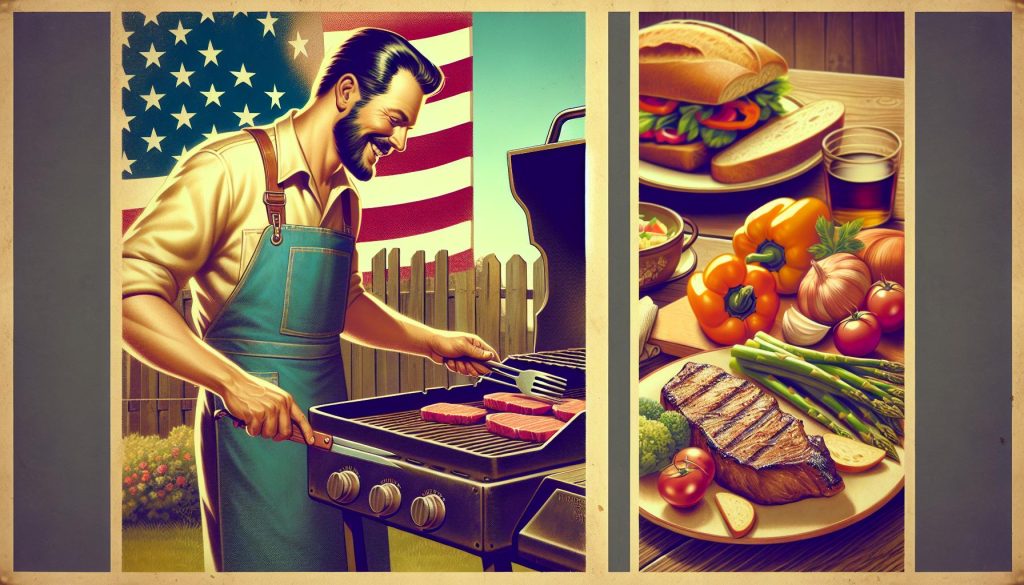
Carefully remove your grilled items from the grill using tongs. Arrange the meats and vegetables on a large platter. Group the vegetables like bell peppers and asparagus for a colorful and appetizing display. Place the perfectly seared steaks and juicy chicken breasts prominently to highlight your grilling mastery.
Serving Suggestions
Serve your grilled delights with a selection of vibrant sides. Fresh salads, grilled corn on the cob, and a variety of dipping sauces can enhance the meal. Add some crusty bread and a few wedges of lemon for extra zest. Encourage guests to build their plates, ensuring everyone enjoys the feast that you’ve expertly prepared.
Conclusion
Grilling can transform your culinary skills and elevate your meals. By mastering the basics of equipment, ingredients, and techniques, you’ll be well on your way to creating mouthwatering dishes. Don’t forget to focus on presentation and pair your grilled items with complementary sides. With practice and passion, you’ll soon impress your guests with delicious and visually stunning grilled feasts.
Frequently Asked Questions
What is the first step in grilling for beginners?
Starting with the right equipment is crucial. Begin by lighting your grill according to the manufacturer’s instructions. Preheat the grill for 10-15 minutes to ensure even cooking.
What types of equipment are essential for grilling?
Essential grilling equipment includes a grill (charcoal or gas), tongs, a meat thermometer, and a grill brush. These tools help in maintaining safety and achieving optimal cooking results.
How do I manage grill temperature?
To manage grill temperature, adjust the vents on a charcoal grill or the heat controls on a gas grill. Use a meat thermometer to monitor food temperatures and ensure thorough cooking.
What are the basic ingredients needed for a grill menu?
Basic ingredients for a grill menu include meats like chicken breasts and steak, vegetables like bell peppers and asparagus, and seasonings such as olive oil and garlic.
What techniques should I use for grilling different foods?
For steaks, use high heat to sear and seal in juices. Grill vegetables over medium heat to prevent burning and achieve even cooking. Adjust techniques based on the specific food texture and type.
How should I plate grilled foods to make them appealing?
Arrange grilled items attractively on a platter. Group vegetables together for a colorful presentation and highlight perfectly cooked meats. Use fresh sides like salads and lemon wedges for added visual appeal.
What sides work well with grilled foods?
Sides that complement grilled foods include fresh salads, grilled corn on the cob, various dipping sauces, crusty bread, and lemon wedges. These fresh options enhance flavor and add variety to the meal.
How can I improve the flavor of my grilled foods?
Marinate meats and vegetables in mixtures like olive oil, garlic, and herbs before grilling. This enhances flavor and tenderness. Use high-quality seasonings tailored to the specific food being grilled.