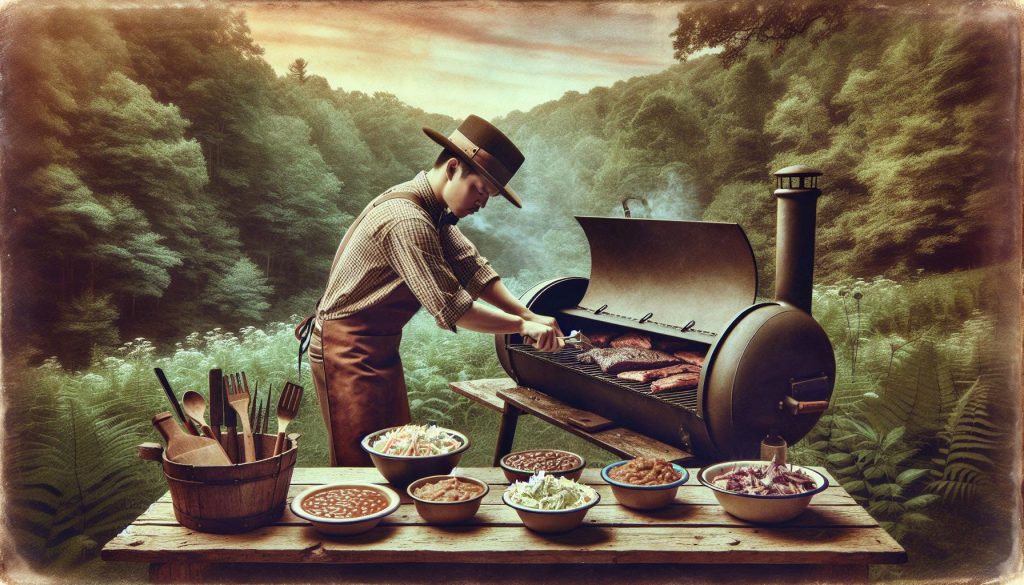
Key Takeaways
- Premium Quality: Lang Smokers from Georgia are renowned for their reverse flow design, ensuring even heat distribution and perfectly smoked meats with every use.
- Essential Ingredients: For an authentic Georgia-style BBQ, carefully selected meats and well-balanced rubs and marinades are crucial. Popular choices include beef brisket, pork ribs, chicken, and pork shoulder.
- Preferred Wood Types: To achieve the best smoky flavors, use wood types like hickory, pecan, oak, and fruitwoods such as apple or cherry.
- Proper Equipment: Utilize key BBQ tools like a meat thermometer, BBQ tongs, heat-resistant gloves, and a chimney starter to enhance your grilling experience.
- Smoking Techniques: Follow essential steps like proper meat preparation, preheating the smoker, maintaining temperature control, and allowing adequate resting time to ensure tender and flavorful results.
Ingredients for Georgia-Style BBQ
To create the perfect Georgia-style BBQ using your Lang Smoker, selecting the right ingredients is essential. Here’s what you need for an authentic experience.
Meat Selection
- Beef Brisket: 10-12 pounds, trimmed
- Pork Ribs: 2 racks, membrane removed
- Chicken: Whole, 5-6 pounds, spatchcocked
- Pork Shoulder: 7-8 pounds, boneless
Rubs and Marinades
- Dry Rub:
- 1/2 cup brown sugar
- 1/4 cup paprika
- 2 tbsp black pepper
- 2 tbsp coarse salt
- 1 tbsp chili powder
- 1 tbsp garlic powder
- 1 tbsp onion powder
- 1 tsp cayenne pepper
- Marinade:
- 2 cups apple cider vinegar
- 1 cup Worcestershire sauce
- 1/2 cup mustard
- 1/2 cup olive oil
- 4 cloves garlic, minced
- 2 tbsp black pepper
- Hickory: Provides a strong, smoky flavor perfect for beef brisket and pork shoulder.
- Pecan: Adds a slightly sweeter, milder flavor, great with chicken and ribs.
- Oak: Offers a balanced smoke that works well with all types of meat, enhancing flavors without overpowering them.
- Fruitwood (Apple or Cherry): Lends a sweet, mild smoke ideal for poultry and pork.
Required Tools and Equipment

For the best Georgia-style BBQ using a Lang Smoker, having the right tools and equipment is essential. Here’s what you’ll need to get started:
Choosing the Right Lang Smoker
Selecting the right Lang Smoker is pivotal for achieving perfectly smoked meats. Lang Smokers come in various models suited for different needs:
- Lang 36 Series: Ideal for small families and backyard enthusiasts. It has a cooking area of 720 square inches.
- Lang 48 Series: Perfect for medium-sized gatherings. Its 1,248 square inches cooking space can handle multiple cuts of meat.
- Lang 60 Series: Suited for larger parties or small catering events, offering 1,680 square inches of cooking area.
- Lang 84 Series: A beast for serious pitmasters and large events. It boasts a massive 2,400 square inches of cooking space.
Additional BBQ Tools
To complement your Lang Smoker, you’ll need some additional BBQ tools:
- Meat Thermometer: Ensures your meat is cooked to the perfect internal temperature.
- BBQ Tongs: For flipping and handling meats.
- Heat-Resistant Gloves: Protects your hands from high temperatures.
- Basting Brush: For applying marinades and sauces.
- Chimney Starter: Helps light your charcoal quickly and evenly.
- Wood Chunks or Chips: Recommended types include hickory, pecan, oak, and various fruitwoods.
- Spray Bottle: Filled with apple juice or water to keep meat moist during smoking.
With the right Lang Smoker and essential BBQ tools, you’ll be well on your way to creating mouth-watering, authentic Southern BBQ.
Preparation Before Smoking

Smoking meat to perfection involves more than just firing up the Lang Smoker. Careful preparation sets the stage for a superb BBQ experience. Here are the essential steps you need to follow.
Meat Preparation
Selecting and preparing your meat is critical for achieving the best flavors. Follow these steps to ensure your meat is ready for the smoker:
- Choose Quality Meat: Opt for high-quality cuts like beef brisket, pork ribs, or chicken thighs. Check for good marbling which adds flavor and tenderness.
- Trim Excess Fat: Trim excess fat while leaving a thin layer to keep the meat moist during smoking.
- Season Generously: Rub your meat with your favorite BBQ rub. Make sure to cover all sides thoroughly to enhance the flavor.
- Marinate (Optional): For added flavor, marinate your meat overnight in the refrigerator. Use a blend of spices and liquids that complement your rub.
- Rest Meat at Room Temperature: Before placing the meat in the smoker, let it sit at room temperature for about 30 minutes to ensure even cooking.
Preheating the Lang Smoker
Preheating ensures an even cooking temperature, which is crucial for smoking:
- Clean the Smoker: Start by cleaning the grates and interior of your Lang Smoker to avoid unwanted flavors.
- Load the Firebox: Fill the firebox with a mix of hardwood and wood chunks, such as hickory or oak, to create the desired smoky flavor.
- Ignite the Fire: Light your wood using a fire starter or kindling and let it burn until you achieve a steady flame.
- Achieve Optimal Temperature: Close the smoker’s lid and adjust the vents to stabilize the temperature between 225°F and 250°F. Use a built-in or external thermometer to verify.
- Add Wood Chunks: Add a few wood chunks to maintain a steady smoke for flavor infusion.
- Wait for Thin Blue Smoke: Allow the smoker to preheat until you see thin blue smoke. This indicates that the smoker is ready for your meat.
By meticulously preparing your meat and preheating your Lang Smoker, you’re setting the foundation for an outstanding BBQ session.
Smoking Process
The smoking process with a Lang Smoker is an art that combines technique and patience to achieve those perfect smoky flavors and tender texture.
Setting Up the Smoker
Begin by positioning your Lang Smoker on a level surface, away from flammable materials. Open the firebox and place a layer of charcoal at the bottom. Light the charcoal using a chimney starter for an even and efficient burn. Once the charcoal is glowing red, add your desired hardwood and wood chunks to create a robust smoke flavor. Close the main chamber and allow the smoker to reach a steady temperature of 225°F-250°F.
Maintaining Temperature
Maintaining temperature is crucial for consistent cooking. Monitor the built-in thermometer on the Lang Smoker’s door frequently. Adjust the air vents on the firebox and chimney to regulate airflow, maintaining a steady heat. If temperatures rise too high, slightly close the firebox air vent. Conversely, open the vent if you need to increase the heat. Add more hardwood and wood chunks periodically to keep the smoke rolling and the temperature stable.
Timing and Temperature Chart
Adhering to proper timing and temperature is key to achieving tender meat with deep, smoky flavors. Here is a basic timing and temperature chart to guide you:
| Meat Type | Smoking Temperature | Cooking Time | Internal Temperature |
|---|---|---|---|
| Beef Brisket | 225°F-250°F | 1.5 hours per pound | 195°F-205°F |
| Pork Ribs | 225°F-250°F | 5-6 hours | 190°F-203°F |
| Chicken | 225°F-250°F | 2.5-3.5 hours | 165°F |
| Pork Shoulder | 225°F-250°F | 1.5 hours per pound | 195°F-205°F |
Use a meat thermometer to check the internal temperature of the meat to ensure it’s cooked to perfection. Remember, each smoker and piece of meat can vary, so adjustments might be necessary based on your specific conditions.
Post-Smoking Steps
You have meticulously smoked your meat to perfection using your Lang Smoker in true Georgia style. Now, let’s dive into the crucial post-smoking steps that will elevate your BBQ masterpiece.
Resting the Meat
Once your meat is done smoking, remove it from the smoker and let it rest. This allows the juices to redistribute, resulting in a more flavorful and tender bite. For beef brisket and pork ribs, let them rest for at least 30-60 minutes, covered lightly with aluminum foil to retain heat. Whole chickens can rest for 20-30 minutes, while pork shoulders benefit from a 45-minute rest period. Use a meat thermometer to ensure the internal temperature remains safe.
Checking for Doneness
After resting, check your meat for doneness. Insert a meat thermometer into the thickest part of the meat. For beef brisket, aim for an internal temperature of 195-205°F. Pork ribs should have a temperature of 190-203°F, while chicken should reach at least 165°F. Pork shoulder is ideal at 195-205°F. These temperatures indicate the meat is not just safe to eat but also perfectly tender and juicy.
| Meat Type | Resting Time | Ideal Internal Temperature |
|---|---|---|
| Beef Brisket | 30-60 minutes | 195-205°F |
| Pork Ribs | 30-60 minutes | 190-203°F |
| Chicken | 20-30 minutes | 165°F |
| Pork Shoulder | 45 minutes | 195-205°F |
Pat yourself on the back for a job well done. Your patience and precision with a Lang Smoker have paid off in a deliciously smoked culinary delight.
Serving Suggestions
After mastering the art of smoking with Lang Smokers from Georgia, it’s time to elevate your BBQ experience with some exceptional serving suggestions. Let’s dive into the ideal side dishes and presentation tips that can turn your smoked creations into an unforgettable feast.
Side Dishes
When serving smoked meat, complementing flavors can enhance your meal significantly. Consider these classic and delicious side dishes:
- Coleslaw: A tangy and refreshing coleslaw provides a perfect balance to the rich and smoky flavors of your meat.
- Baked Beans: Smoky baked beans are a classic BBQ side that pairs beautifully with any smoked meat.
- Potato Salad: Creamy potato salad adds a comforting element to your meal, ideal for balancing strong smoky notes.
- Cornbread: Soft and slightly sweet cornbread is an essential Southern addition, perfect for sopping up any delicious juices.
- Pickles: The acidity of pickles cuts through the richness of the meat, refreshing your palate with every bite.
- Macaroni and Cheese: Creamy, cheesy, and comforting, macaroni and cheese is a crowd-pleaser at any BBQ gathering.
Presentation Tips
A well-presented dish not only pleases the palate but also the eyes. Here’s how you can make your smoked dishes look as incredible as they taste:
- Slicing: Always slice against the grain to ensure each bite is tender. Arrange the slices neatly on a serving platter.
- Garnishing: Use fresh herbs like parsley, cilantro, or chives to add a pop of color and a hint of freshness.
- Plating: Use wooden boards for an authentic BBQ feel. Arrange your meats and sides attractively, ensuring a balance of colors and textures.
- Sauce Drizzling: Drizzle your homemade BBQ sauce artistically around the meat to enhance both flavor and appearance.
- Serving Warm: Ensure all components, especially the meat, are served warm. Use warming trays if necessary to keep everything at the right temperature.
Prepare to impress your guests with these side dishes and presentation tips, transforming your BBQ into a gourmet experience worthy of any occasion.
Conclusion
Mastering the art of Southern BBQ with Lang Smokers from Georgia transforms your culinary skills. By selecting the right ingredients and wood types, you can create rich, smoky flavors. Essential tools and proper preparation steps are key to a seamless smoking process. Remember to rest your meat and check for doneness to ensure perfection.
Serving your BBQ with classic sides like coleslaw, baked beans, and potato salad enhances the meal. Presentation matters too. Slice against the grain, garnish with fresh herbs, and plate attractively. Drizzle sauce artistically and serve warm to impress your guests.
Lang Smokers help you elevate your BBQ game, making each meal a gourmet experience. Enjoy the journey of creating mouth-watering dishes that bring people together.
Frequently Asked Questions
What makes Lang Smokers unique?
Lang Smokers are renowned for their precision-crafted design that enhances the traditional Southern BBQ experience. The quality construction ensures even cooking and superior flavor.
What types of wood should I use for smoking with a Lang Smoker?
Popular wood choices include hickory, mesquite, apple, and cherry. Each wood imparts its unique flavor, so select based on your taste preference.
What essential tools do I need for smoking?
You’ll need a smoker thermometer, grilling gloves, meat probes, a smoker box, and a basting brush for effective smoking.
How should I prepare the meat before smoking?
Season the meat with a dry rub or marinade, and let it sit for at least an hour to overnight to absorb flavors.
What are some effective smoking techniques?
Maintain a consistent temperature, use indirect heat, and keep the smoker lid closed to retain smoke and heat.
How do I know when the meat is done?
Use a meat thermometer to check the internal temperature. Each type of meat has specific doneness temperatures.
Why should meat rest after smoking?
Allowing meat to rest redistributes the juices, making it tender and flavorful. Rest for about 15-30 minutes before cutting.
What side dishes pair well with smoked meat?
Classic side dishes include coleslaw, baked beans, and potato salad. These complement the rich, smoky flavor of the meat.
How should I slice and serve smoked meat?
Slice the meat against the grain for tenderness. Garnish with fresh herbs, drizzle with sauce, and serve warm for the best presentation.
How can I elevate the presentation of my BBQ dishes?
Plating attractively and garnishing with fresh herbs add visual appeal. Drizzle sauce artistically and ensure everything is served warm to enhance the dining experience.