
Key Takeaways
- Versatility and Flavor: A smoker cooker grill combines the best of smoking, cooking, and grilling, allowing for diverse culinary techniques and robust, smoky flavors.
- Essential Equipment: Crucial tools for successful grilling include a meat thermometer, grill thermometer, long-handled tongs, heat-resistant gloves, and cleaning supplies.
- Quality Ingredients: Use top-quality meats, spices for rubs, and appropriate types of wood chips to ensure flavorful and delicious barbecue dishes.
- Preparation Steps: Properly prepare your smoker cooker grill and marinate meats in advance to achieve the best results.
- Smoking Techniques: Maintain consistent temperature and smoke levels, periodically spritz your meats, and use a meat thermometer to ensure perfect cooking.
- Serving Tips: Enhance your meals with complementary side dishes and attractive presentation for a visually appealing and delectable BBQ experience.
Equipment and Tools Needed
To achieve the best results with your smoker cooker grill, you’ll need a few essential tools and equipment. Here’s a comprehensive list to ensure you’re well-prepared for your next BBQ adventure.
Smoker Cooker Grill
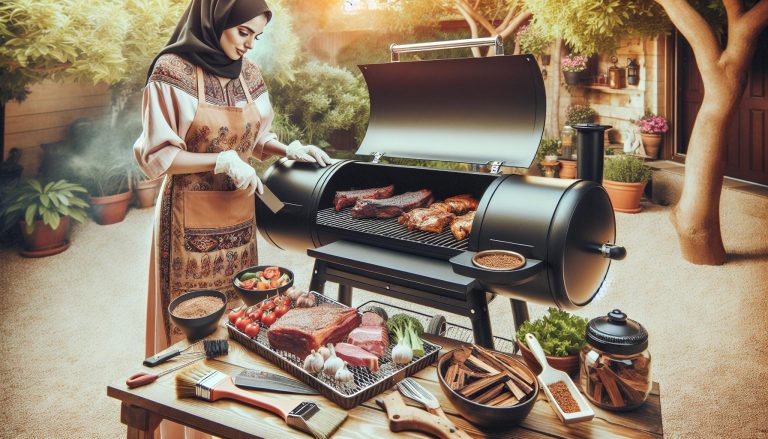
- Smoker Cooker Grill: A versatile unit combining smoking, cooking, and grilling. Look for one that offers temperature control, sturdy construction, and ample cooking space.
Charcoal and Wood
- Charcoal: Lump charcoal or briquettes are essential for fueling your smoker. Lump charcoal burns hotter and cleaner, while briquettes offer consistent heat.
- Wood Chips or Chunks: Add flavor to your meats with wood chips or chunks. Common varieties include hickory, mesquite, apple, and cherry. Soak chips in water for 30 minutes before use to prevent quick burning.
Thermometers
- Meat Thermometer: Ensure your meats are cooked to perfection with an instant-read meat thermometer. Look for a digital model with a probe for accurate readings.
- Grill Thermometer: Monitor the internal temperature of your smoker with a reliable grill thermometer. Some units come with built-in thermometers, but a separate, high-quality one is recommended for precision.
Tools for Handling and Safety
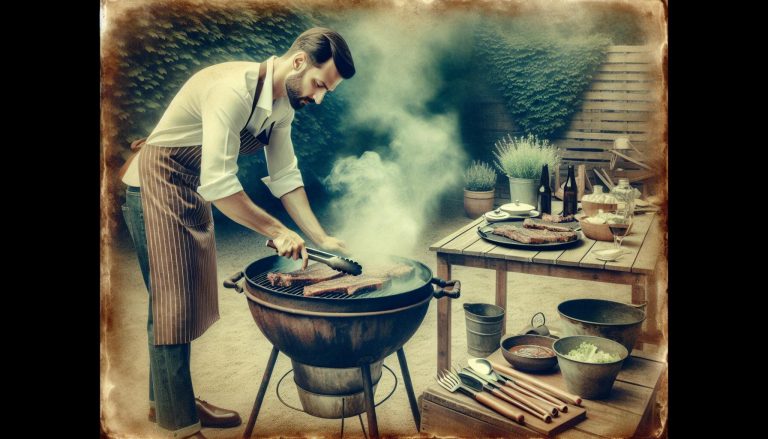
- Tongs: Long-handled tongs help you move and flip meat without getting too close to the heat.
- Spatula: A sturdy spatula is essential for flipping burgers and handling delicate items.
- Heat-Resistant Gloves: Protect your hands from the high temperatures of your smoker cooker grill with a good pair of heat-resistant gloves.
- Chimney Starter: Light your charcoal quickly and evenly with a chimney starter. This tool is a must-have for achieving that perfect bed of coals.
Cleaning Supplies
- Grill Brush: Keep your grates clean with a durable grill brush. This ensures even cooking and prevents old food residue from affecting the flavor of your new dishes.
- Ash Tool: An ash tool helps you remove spent ashes from your smoker, maintaining airflow and heat consistency.
- Basting Brush: Apply marinades and sauces with a basting brush. Silicone brushes are easy to clean and heat-resistant.
- Aluminum Foil: Use aluminum foil for wrapping meats, creating drip pans, or covering grates to prevent sticking.
- Spray Bottle: A spray bottle filled with water or apple juice helps keep your meats moist
Ingredients
To create a mouthwatering feast using your smoker cooker grill, it’s essential to have the right ingredients. Here’s what you’ll need:
For the Meat
- Pork Shoulder: 8 pounds, bone-in
- Brisket: 10 pounds, trimmed
- Chicken Thighs: 6 pieces, skin-on
- Ribs: 2 racks, membrane removed
For the Rub
- Paprika: 1/4 cup
- Brown Sugar: 1/4 cup
- Salt: 2 tablespoons
- Black Pepper: 2 tablespoons
- Cayenne Pepper: 1 teaspoon
- Garlic Powder: 2 teaspoons
- Onion Powder: 2 teaspoons
- Dried Oregano: 1 teaspoon
- Ground Mustard: 1 teaspoon
- Wood Chips: 2 pounds, soaked
- Charcoal: 10 pounds
- Apple Cider Vinegar: 1 cup
- Spray Bottle: 1, filled with apple cider vinegar
- Aluminum Foil: 1 roll
These ingredients will set you up to create a variety of delicious barbecue dishes, ensuring your outdoor cooking adventures are flavorful and successful.
Preparation Steps
Starting with the preparation, getting your smoker cooker grill and meat ready is crucial for achieving the perfect barbecue. Follow these steps to ensure success.
Preparing the Smoker Cooker Grill
- Clean the Grill Grate: Remove the grill grate and scrub it thoroughly with a wire brush to eliminate any leftover food particles from previous use.
- Fill the Water Pan: Place the water pan in its designated spot and fill it halfway with water. This helps maintain moisture during the smoking process.
- Add Wood Chips and Charcoal: Layer the bottom of the smoker with charcoal, then add wood chips on top. Use about 2 cups of wood chips and ensure they are evenly distributed for consistent smoke.
- Light the Charcoal: Use a chimney starter to light the charcoal. Once the coals are ashed over, carefully pour them into the smoker’s charcoal pan.
- Adjust Air Vents: Control the temperature by adjusting the smoker’s air vents. Open the vents fully to increase temperature, or partially close them to reduce heat.
- Preheat the Smoker: Allow the smoker to reach the desired temperature, usually between 225-250°F. Use a built-in or separate thermometer to monitor the temperature accurately.
- Prepare the Marinade: Combine your rub mixture with apple cider vinegar in a large bowl. Use about 1 cup of vinegar for every 2 tablespoons of rub mixture.
- Apply Marinade to Meat: Place your meat cuts in a large resealable plastic bag or container. Pour the marinade over the meat, ensuring all pieces are thoroughly coated.
- Refrigerate: Seal the bag or container and place it in the refrigerator. Marinate the meat for at least 4 hours, preferably overnight, to enhance flavor.
- Remove Meat from Refrigerator: Take the meat out of the refrigerator about an hour before cooking to allow it to reach room temperature.
- Pat Meat Dry: Before placing the meat on the grill, use paper towels to pat it dry. This helps create a better bark during smoking.
Following these preparation steps ensures that both your smoker cooker grill and your meat are ready for an unforgettable barbecue experience.
Smoking Process
The smoking process is crucial for infusing your meat with rich, smoky flavors. Follow these steps to achieve perfectly smoked dishes using your smoker cooker grill.
Preheating the Smoker
- Fill the Charcoal Chamber: Start by filling the charcoal chamber with quality charcoal. Choose lump charcoal or briquettes based on your preference.
- Light the Charcoal: Use a chimney starter for even lighting. Fill the chimney with charcoal and ignite it. Wait until the coals are ashed over.
- Pour Charcoal into Smoker: Carefully pour the hot coals into the smoker’s charcoal chamber.
- Add Wood Chips: Place soaked wood chips on top of the hot coals for that smoky aroma. Use woods such as hickory, apple, or cherry depending on your desired flavor profile.
- Adjust Air Vents: Open the smoker’s air vents fully to allow maximum airflow and increase the temperature.
- Monitor Temperature: Close the smoker’s lid and use the built-in thermometer to monitor the temperature. Aim for a temperature of 225°F to 250°F.
- Stabilize Temperature: Adjust the air vents accordingly to stabilize the smoker at the target temperature.
- Place Meat on Grill Grate: Once preheated, place your prepared meat on the grill grate. Ensure there is adequate space between pieces for even cooking.
- Insert a Meat Thermometer: For accuracy, insert a meat thermometer into the thickest part of the meat. This helps monitor the internal temperature without opening the smoker frequently.
- Add Apple Cider Vinegar: Fill a spray bottle with apple cider vinegar. Every hour, lightly spritz the meat to keep it moist and enhance flavor.
- Rotate the Meat: Halfway through the cooking time, rotate the meat to ensure even cooking and smoking.
- Maintain Heat and Smoke: Regularly check the smoker’s temperature and add more charcoal or wood chips as necessary to maintain a consistent heat and smoke level.
- Check Doneness: Use the meat thermometer to check the meat’s internal temperature. Meats like brisket should reach around 195°F, while pork shoulder should be around 200°F.
- Rest the Meat: Once done, remove the meat from the smoker and let it rest for about 15-20 minutes. This allows juices to redistribute for maximum flavor and tenderness.
By following these steps, you will master the smoking process and delight in the deep, smoky flavors your smoker cooker grill can impart to your food.
Serving Suggestions
You’ve mastered the art of smoking on your cooker grill. Now it’s time to elevate your meal with some mouth-watering side dishes and presentation tips. Let’s dive in.
Side Dishes
Complement your smoky main course with these tasty and easy sides:
- Coleslaw: Crisp and tangy coleslaw provides a refreshing contrast to your rich, smoky meats. Mix shredded cabbage and carrots with a tangy dressing made from mayonnaise, vinegar, sugar, and a pinch of salt and pepper.
- Baked Beans: Smoky baked beans add a hearty, sweet, and savory element. Cook navy beans in a sauce of molasses, brown sugar, ketchup, mustard, and smoked bacon until they are tender and flavorful.
- Cornbread: Moist cornbread with a hint of sweetness pairs perfectly with barbecue. Bake a simple cornbread using cornmeal, flour, baking powder, eggs, milk, and a touch of honey.
- Mac and Cheese: Add a comfort food classic to your spread. Use elbow macaroni with a creamy cheese sauce made from cheddar, a bit of mozzarella, butter, flour, milk, and a sprinkle of paprika.
- Grilled Vegetables: Keep it healthy by adding a mix of grilled veggies. Toss bell peppers, zucchini, and red onions in olive oil, salt, and pepper. Grill them until they have lovely char marks.
Presentation Tips
Presentation can make your meal as impressive visually as it is delicious:
- Platter Arrangement: Arrange your smoked meat on a large platter surrounded by your chosen side dishes. This not only looks inviting but also makes it easy for everyone to help themselves.
- Garnishes: Add color and flair with simple garnishes like fresh herbs (think parsley or cilantro), sliced jalapenos, or lemon wedges. They enhance the presentation and add another layer of flavor and freshness.
- Serving Sauce: Offer a variety of sauces on the side, letting your guests customize their meal. Use small bowls or ramekins for serving different barbecue sauces, hot sauces, and relishes.
- Cutting Meat: For a professional touch, slice your meat against the grain. This keeps the meat tender and creates appealing, uniform slices.
- Serving Utensils: Place sturdy serving utensils with each dish. Use tongs for meat, ladles for beans, and spoons for sides like coleslaw and mac and cheese. This ensures your guests can comfortably serve themselves.
Now you’re ready to serve up a feast that delights both the eyes and the taste buds.
How Do Electric Smokers Compare to Smoker Cooker Grills for Outdoor Cooking?
Electric smokers at lowe’s offer a convenient, user-friendly alternative to traditional smoker cooker grills for outdoor cooking. Unlike grills, electric smokers maintain consistent temperatures, making them ideal for slow-cooking meats with minimal supervision. They’re perfect for beginners or those seeking hassle-free smoking, while grills provide a more hands-on, classic barbecue experience.
Conclusion
Embracing the art of using a smoker cooker grill transforms your outdoor cooking into a flavorful and memorable experience. By mastering heat and smoke levels and perfecting the resting process, you’ll achieve mouth-watering results every time. Pair your smoked meats with delicious sides like coleslaw, baked beans, and mac and cheese to elevate your meals. Attention to presentation, from arranging platters to selecting the right utensils, enhances both the visual appeal and the overall enjoyment of your culinary creations. Dive into the world of smoking and grilling, and watch your backyard gatherings become the highlight of the season.
Frequently Asked Questions
What are the benefits of using a smoker cooker grill for outdoor cooking?
A smoker cooker grill allows for slow-cooking, infusing meats with rich, smoky flavors. It helps in maintaining consistent heat and smoke levels, resulting in tender, flavorful dishes. It’s perfect for enhancing the taste profile of various meats, making your outdoor cooking experience truly unique.
How do I maintain the right heat and smoke levels?
To maintain the right heat and smoke levels, use a quality thermometer, keep vents adjusted properly, and add wood chips gradually as needed. Consistency is key to achieving the best results.
Why is it important to rest the meat after smoking?
Resting the meat allows the juices to redistribute, making the meat more moist and flavorful. It helps in achieving a better texture and enhances the overall taste of the smoked dish.
What are some good side dishes to serve with smoked meat?
Popular side dishes include coleslaw, baked beans, cornbread, mac and cheese, and grilled vegetables. These sides complement the smoky flavors of the meat and provide a balanced meal.
Can you provide tips for presenting smoked meats?
Yes! Arrange meats on a platter with garnishes for color, serve sauces on the side, cut meat against the grain for tenderness, and use appropriate serving utensils. These tips enhance both the visual appeal and overall dining experience.
What are some good sauces to serve with smoked meats?
Barbecue sauce, chimichurri, garlic aioli, and spicy mustard are excellent choices. These sauces complement the rich, smoky flavors of the meat and offer a variety of taste options for guests.
How can I ensure my smoked meat is tender?
Use high-quality cuts of meat, maintain consistent low temperatures, and allow sufficient cooking time. Additionally, resting the meat after smoking and slicing it against the grain will help in maintaining tenderness.
What wood chips are best for smoking meat?
Common choices include hickory, mesquite, apple, and cherry wood chips. Each type imparts a unique flavor, so you can experiment to find your preferred taste.
How long should I smoke meat?
Smoking times vary based on the type and thickness of meat. For example, ribs may take 4-6 hours, while brisket could take 10-12 hours. Always use a meat thermometer to ensure proper internal temperature.
What temperatures should I aim for when smoking meat?
Typically, the smoking temperature should be between 225-250°F. This low and slow approach helps in achieving tender, smoky meat. Adjust according to the type of meat you are smoking.