Key Takeaways
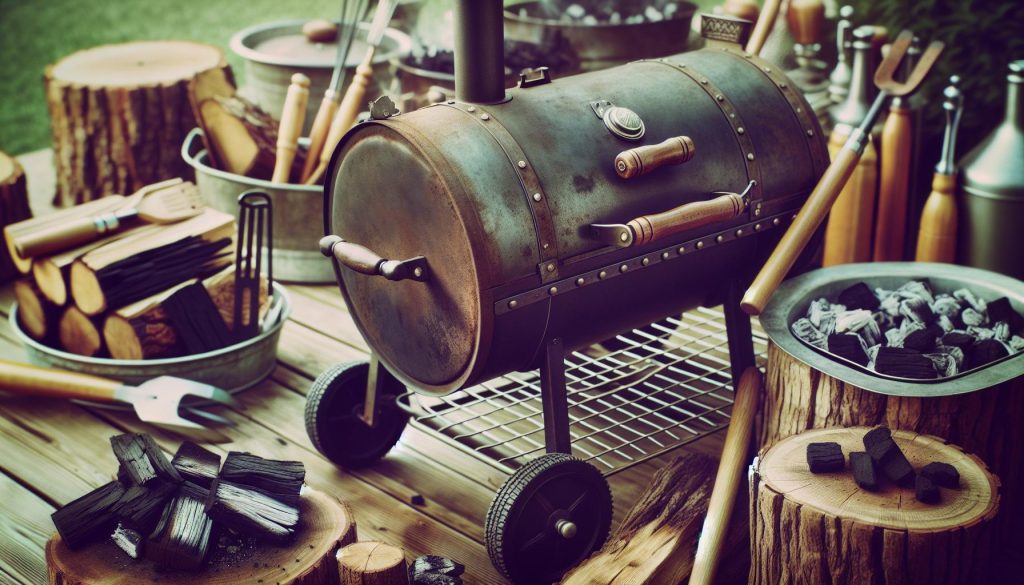
- Importance of Old Smokers: Old smokers provide a unique blend of tradition and flavor, making them cherished tools among barbecue enthusiasts.
- Essential Ingredients: To achieve mouth-watering barbecue, specific ingredients like pork shoulder, smoked paprika, apple cider vinegar, and hickory wood chips are vital.
- Selecting the Right Wood: Choosing the appropriate wood, such as hickory, apple, oak, cherry, or mesquite, significantly impacts the flavor of your smoked meat.
- Proper Preparation: Thorough cleaning and maintenance of your old smoker, along with careful preheating, are crucial for consistent and flavorful results.
- Smoking Process: Smoking meat involves steps such as selecting the right cut, applying a dry rub, maintaining consistent temperature, and allowing the meat to rest post-smoking for optimal tenderness.
- Post-Smoking Care: Proper cleaning, maintenance, and storage of your smoker ensure longevity and readiness for the next barbecue session.
Ingredients
Creating mouth-watering barbecue with old smokers requires precision and the right ingredients. Here’s what you’ll need:
- Pork Shoulder (Boston Butt): 10-12 lbs, bone-in
- Salt: 1/2 cup, coarse
- Black Pepper: 1/2 cup, freshly ground
- Paprika: 1/4 cup, smoked for added depth
- Brown Sugar: 1/4 cup, packed
- Garlic Powder: 2 tbsp
- Onion Powder: 2 tbsp
- Cayenne Pepper: 1 tbsp, for a kick of heat
- Apple Cider Vinegar: 1 cup, for the mop sauce
- Apple Juice: 1 cup, ensures moist and tender meat
- Hickory Wood Chips: 5-6 cups, soaked in water for 30 minutes
- Olive Oil: 2 tbsp, to help the rub stick
Ensure you have these ingredients on hand before firing up your old smoker. Proper preparation is key to achieving that quintessential barbecue flavor.
Required Tools and Equipment

To truly master the art of barbecue with old smokers, you need the right tools and equipment. Ensuring you have these essentials will significantly enhance your barbecue experience.
Choosing The Right Wood
Selecting the perfect wood for smoking is crucial for achieving that authentic BBQ flavor. Here’s what you need:
- Hickory Wood: Ideal for a strong, hearty flavor. Pairs well with beef and pork.
- Apple Wood: Offers a mild, sweet aroma. Great for poultry and pork.
- Oak Wood: Provides a medium to strong flavor. Versatile for all types of meat.
- Cherry Wood: Adds a slightly sweet, fruity flavor. Complements poultry and pork.
- Mesquite Wood: Best for a strong, intense flavor. Use sparingly with beef.
Selecting An Old Smoker
Finding the right old smoker is essential for achieving that nostalgic barbecue experience. Here’s what to look for:
- Quality Material: Ensure the smoker is made of high-grade steel or cast iron for durability.
- Tight Seals: Check for tight seals to maintain consistent temperature and smoke.
- Firebox Design: Look for a smoker with a well-designed firebox to control heat distribution.
- Size: Choose a size that meets your cooking needs, whether you’re smoking a few ribs or a whole brisket.
- Ventilation: Good airflow is vital. Check that the smoker has adjustable vents for controlling smoke and heat.
Arming yourself with the right tools and equipment will set the stage for creating unforgettable barbecue flavors with your old smoker.
Preparing the Smoker

For the best barbecue experience, proper preparation of your old smoker is crucial. By following these steps, you’ll ensure your smoker is ready to deliver mouth-watering flavors consistently.
Cleaning and Maintenance
- Remove Ash and Debris: Begin by removing any ash and debris from the firebox and cooking chambers. This prevents airflow blockages and keeps your smoker clean.
- Scrub Grates: Use a wire brush to scrub the cooking grates thoroughly. Remove any leftover food particles and grease to avoid unwanted flavors and bacteria.
- Clean the Interior: Wipe down the interior surfaces with a damp cloth. For stubborn grease spots, use a baking soda paste or a specialized grill cleaner.
- Check the Chimney: Ensure the chimney is clear of any blockages. A clean chimney ensures proper smoke and heat circulation.
- Inspect for Rust: Look for any signs of rust and handle them promptly. Use a wire brush to remove rust, and apply a heat-resistant paint if necessary to prevent further rusting.
- Lubricate Hinges and Wheels: Apply a food-safe lubricant to the hinges and wheels to maintain smooth operation.
- Build a Small Fire: Start by building a small fire in the firebox using your chosen wood or charcoal. This initial burn helps preheat the smoker and removes any lingering residues from previous uses.
- Allow Heat to Stabilize: Let the temperature stabilize between 225°F and 250°F. Maintaining a steady heat is essential for consistent smoking.
- Adjust Vents: Adjust the intake and exhaust vents to regulate the airflow. Proper ventilation ensures that heat and smoke circulate evenly throughout the cooking chamber.
- Add a Water Pan: Place a water pan inside the smoker. The water adds humidity to the cooking environment, keeping your meat moist.
- Monitor Temperature: Use a reliable thermometer to monitor the temperature throughout the preheating process. Consistency is vital for achieving the best results.
By meticulously cleaning and properly heating your old smoker, you’ll be set to create incredible barbecue with rich, smoky flavors.
Smoking the Meat
Smoking the meat in an old smoker brings out rich flavors and tender textures. Follow these steps to ensure your barbecue is a hit every time.
Preparing the Meat
- Select Your Meat: Choose cuts of meat suitable for smoking like brisket, pork shoulder, ribs, or poultry.
- Trim Excess Fat: Trim off any excess fat, leaving a thin layer to keep the meat moist. This helps prevent flare-ups and ensures even cooking.
- Brine or Marinate: Depending on the meat, brine or marinate it to enhance flavor and tenderness. Use a simple saltwater brine or a flavorful marinade.
- Season Generously: Apply your favorite dry rub or seasoning blend generously. Make sure to coat all sides evenly.
- Rest Before Smoking: Allow the seasoned meat to rest at room temperature for about 30 minutes. This helps the rub adhere and gives the meat a better smoke ring.
- Preheat the Smoker: Bring your smoker up to the desired temperature, usually between 225°F and 250°F. Use a thermometer for accuracy.
- Add Wood Chips: Choose wood chips that complement your meat. Hickory adds a strong, smoky flavor, while fruitwoods like apple or cherry provide a sweeter, milder taste.
- Place Meat in Smoker: Position the meat on the grates, ensuring there is space for smoke circulation. Insert a meat probe if your smoker has one.
- Maintain Temperature: Keep the smoker’s temperature steady by adjusting the vents and adding more wood chips as needed. Check every hour to regulate heat and smoke.
- Monitor Internal Temperature: Use a meat thermometer to monitor the internal temperature. For example, brisket should reach an internal temperature of 195°F to 205°F for optimal tenderness.
- Wrap if Necessary: If the meat stalls (stops rising in temperature), wrap it in butcher paper or foil around 160°F to help push through the stall without compromising the smoke flavor.
- Rest After Smoking: Once the meat reaches the desired internal temperature, remove it from the smoker and let it rest for at least 30 minutes. This allows the juices to redistribute.
- Slice and Serve: Slice the meat against the grain for the best texture. Serve with your favorite barbecue sauce and sides.
By following these steps, you ensure that your smoked meat turns out juicy, flavorful, and tender, capturing the essence of traditional barbecue.
Post-Smoking Care
Your meat is smoked to perfection, but the work doesn’t stop there. Proper post-smoking care is essential to keep your smoker in top shape and ready for the next barbecue.
Cleaning the Smoker
- Cool Down the Smoker: Ensure the smoker is completely cool before starting the cleaning process to avoid burns.
- Remove Ash and Debris: Empty the ash from the firebox and discard any residual wood chips or debris. Use an ash tool or small broom for ease.
- Scrub Grates and Racks: Use a grill brush to scrub the grates and racks, removing any stuck-on food particles. For deep cleaning, soak grates in warm, soapy water and rinse thoroughly.
- Wipe Down the Interior: Use a damp cloth to wipe down the interior surfaces. Avoid using harsh chemicals; instead, opt for a smoker-safe cleaner or a mixture of vinegar and water.
- Clean Grease Traps: Empty and clean the grease traps or pans to prevent buildup that can cause flare-ups or fires.
- Inspect and Maintain: Check components like the thermometer, seals, and chimney to ensure they are in good working order. Replace or repair if needed.
- Find a Dry, Covered Area: Store your smoker in a dry, covered area to protect it from the elements. A garage or shed works well.
- Use a Smoker Cover: If storing outdoors, invest in a high-quality, weather-resistant smoker cover to protect it from rain, snow, and UV rays.
- Elevate If Necessary: If you must store your smoker on grass or dirt, place it on a wooden pallet or concrete blocks to avoid direct contact with moisture.
- Secure Moving Parts: Ensure moving parts like doors and dampers are secured to prevent damage during storage.
- Regular Checks: Periodically check on your smoker during storage to ensure no pests or moisture have compromised its condition.
Ensure your smoker is always ready to impart those rich, smoky flavors by following these post-smoking care tips diligently.
How Can Expert Tips for Tender Meat Enhance the Use of Old Smokers for Barbecue?
Transforming tough cuts into tender perfection is possible with expert tips for barbecue. By understanding temperature control, rubs, and slow-cooking methods, you can master flavorful meat with barbecue smoker techniques. Even old smokers become tools for savory success, delivering mouthwatering results that elevate any gathering to a feast of smoky delight.
Conclusion
Embracing the nostalgic charm of old smokers can elevate your barbecue experience to new heights. By focusing on preparation, maintenance, and wood selection, you ensure that your smoker delivers optimal flavor every time. Remember that choosing the right smoker and taking care of it properly will yield delicious, juicy results. Proper post-smoking care is just as crucial, so keep your smoker clean and well-maintained. Regular checks will help you enjoy many more flavorful barbecues in the future. Dive into the world of old smokers and savor the rich, smoky flavors they bring to your table.
Frequently Asked Questions
What makes old smokers special for barbecue enthusiasts?
Old smokers evoke a sense of nostalgia and authenticity, providing a unique flavor hard to replicate with modern equipment. They are favored for their seasoned interiors that contribute to a distinct, rich taste in the meat.
How do I select the right smoker for my needs?
Consider the size, type, and material of the smoker. Ensure it suits your space and cooking style. Beginners might prefer a simpler model, while experienced users might look for more advanced options with additional features.
How important is wood selection in smoking meat?
Wood selection is crucial as different woods impart different flavors. Common choices include hickory, mesquite, and applewood, each offering a unique taste to complement specific types of meat.
What are the essential steps for preparing a smoker?
Preparation involves thorough cleaning, checking components for damage, and setting it up correctly. Ensure it’s properly heated before placing the meat to achieve the best results.
How do I maintain the temperature while smoking?
Use a reliable thermometer to monitor the internal temperature of your smoker. Adjust vents and add fuel as needed to maintain a consistent heat throughout the smoking process.
What should I consider when selecting meat cuts for smoking?
Opt for cuts that are well-suited for slow cooking, such as brisket, ribs, or pork shoulder. These cuts absorb the smoky flavor well and become tender with prolonged cooking.
Why is resting the meat important after smoking?
Resting allows the juices to redistribute throughout the meat, resulting in a more flavorful and juicy final product. It also makes the meat easier to slice.
How do I clean my smoker after use?
Remove ash and grease, scrub the grates, and wipe down the interior with a damp cloth. Regular cleaning prevents buildup and ensures your smoker remains in good condition.
What maintenance steps keep a smoker in top condition?
Regularly check for rust, tighten loose components, and season the interior occasionally. Proper storage and covering when not in use also help prolong the smoker’s life.
How should I store my smoker when not in use?
Store your smoker in a dry, covered area to protect it from the elements. Use a dedicated cover to prevent dust and moisture buildup, ensuring it’s ready for the next use.