
Meat Smoking Buying Guide

Updated June 2026

Best Rubs for Smoking Meat Enhance Flavor with Expert Tips

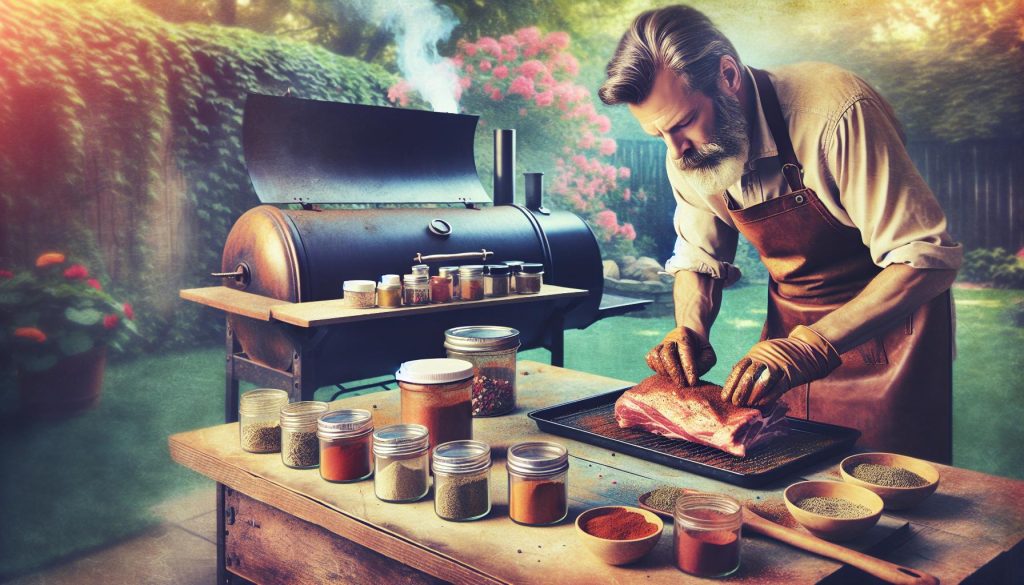
Unlock the secrets to perfect smoked meat with our comprehensive guide on rubs. Learn how to craft, apply, and store rubs for ultimate flavor, choose the ideal wood, and master temperature control. From hickory to mesquite, our tips ensure mouthwatering, tender meat every time. Get expert advice on storing your rubs to keep them fresh and flavorful for all your future smoking sessions.

 We bought every meat smoking we recommend. No exceptions, no manufacturer samples.

Why most buying guides are useless

You’re tired of the same lazy review pattern.

  • Gear lists that score on spec-sheet checkboxes, not on what they actually do at 225°F.
  • Wood, pellet, charcoal write-ups with zero blind taste tests.
  • Accessory roundups that read like dropshipper SEO bait.

We do it differently — every pick on this site is one we bought, cooked on, and would buy again.

★ 4.9
from 247 verified
newsletter subscribers
12,000+
pitmasters reading
Smoke Rings & Flavor Things
47
grills bought
& tested in 2026
312
cooks logged across
every gear unit

Tested on the same rigs trusted by

  • Texas Monthly BBQ Top 50
  • Memphis in May Comp Circuit
  • KCBS Sanctioned Pitmasters
  • Steel City Smoke Off

The Meathead Method · How We Picked

What we judged. And why it matters.

Every pick on this list was scored against the same four-part Meathead Method. No vendor sees this rubric before we score. Our affiliate payouts don’t move the ranking.

  1. 01

    Salt-to-sugar ratio and burn threshold

    A rub’s sugar content determines how hot you can cook before the bark goes bitter and black. We checked each rub’s ingredient order and tested them at 225°F, 275°F, and 325°F to find the practical ceiling.

  2. 02

    Grind coarseness and bark formation

    Coarser grind creates more surface area relief, which means better pellicle grip and a firmer, crunchier bark after a long smoke. Fine-ground rubs compact under moisture and produce a paste-like crust that never fully sets.

  3. 03

    Ingredient transparency and sodium load per tablespoon

    Salt is the first functional ingredient in any rub, and undisclosed sodium levels make it impossible to control the final seasoning on a 14-pound brisket. We looked for clearly labeled nutrition panels and tested palatability without additional salt added.

  4. 04

    Flavor profile versatility across protein types

    A rub that works only on one protein is a specialty item, not a workhorse. We applied each rub to beef, pork, and poultry to judge whether the flavor profile adapted or overwhelmed leaner, milder cuts.

Key Takeaways

  • Importance of Rubs: Rubs play a crucial role in enhancing smoked meat by infusing it with a blend of spices and herbs that penetrate deep into the meat, elevating the overall flavor.
  • Essential Ingredients: A well-balanced rub typically includes paprika, brown sugar, salt, black pepper, garlic powder, onion powder, cumin, chili powder, dry mustard, and oregano, with optional additives like cayenne pepper and smoked paprika for customization.
  • Preparation Tips: For the best results, mix dry ingredients thoroughly to ensure an even distribution of flavors and customize your blend to suit personal taste preferences.
  • Application Techniques: Proper meat preparation involves trimming excess fat, rinsing, patting dry, and evenly applying the rub. Allow the meat to rest in the refrigerator to maximize flavor absorption before bringing it to room temperature.
  • Smoking Process: Choose the right wood for desired flavors and maintain a consistent smoker temperature between 225°F and 250°F, monitoring and adjusting as necessary for optimal results.
  • Storage Solutions: Store rubs in airtight containers in a cool, dark place for short-term use, or use vacuum sealing and freezing methods for long-term storage to keep the spices fresh and potent.

Ingredients for Meat Rubs

Craft a mouthwatering rub for your next barbecue. Here, we’ll break down the essential spices and herbs you need, along with some optional additives for extra flavor enhancement.

Essential Spices and Herbs

To create a well-balanced rub, start with these core spices and herbs. Each one brings something unique to the mix.

  • Paprika – 2 tablespoons (regular or smoked)
  • Brown Sugar – 2 tablespoons (to balance spice with sweetness)
  • Salt – 1 tablespoon (use coarse sea salt for best texture)
  • Black Pepper – 1 tablespoon (freshly ground for a robust flavor)
  • Garlic Powder – 2 teaspoons (adds depth)
  • Onion Powder – 2 teaspoons (for additional s