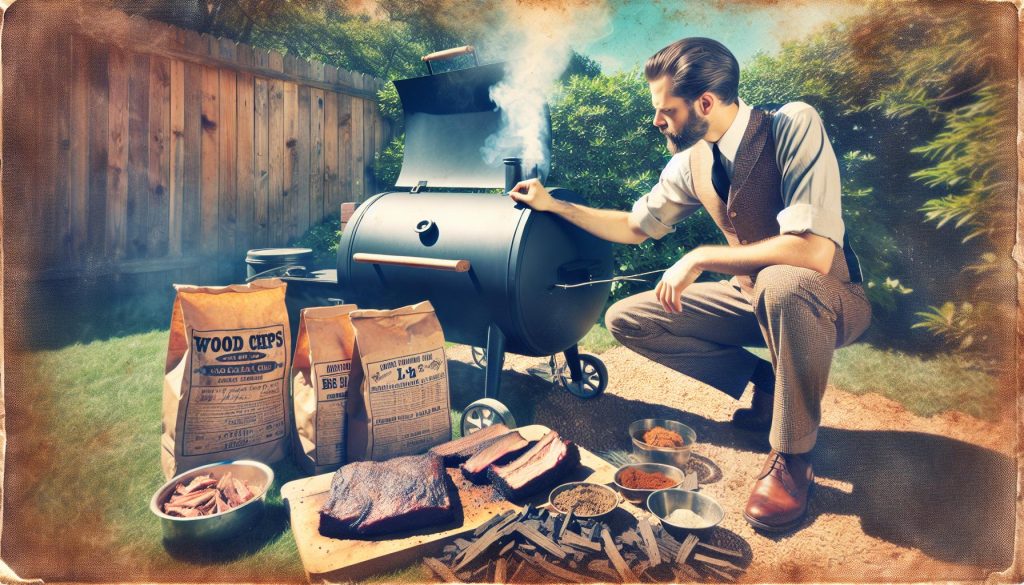
Master Smoker Temperature for Perfect BBQ: Tips for Meat, Rubs, and Equipment
By Miss Pepper·
7 min read
·Tested by Jim · 30+ years on the pit
Master smoker temperature and elevate your BBQ with our guide on heat control nuances. Learn optimal smoking temps for brisket, ribs, chicken, and more. Discover tips on rubs, seasonings, wood chips, and essential tools like thermometers. Maintain consistency by managing airflow, selecting quality fuels, and timing refuels. Achieve flawlessly smoked, mouth-watering BBQ every time.
✓ We bought every meat smoking we recommend. No exceptions, no manufacturer samples.
Why most buying guides are useless
You’re tired of the same lazy review pattern.
✗Gear lists that score on spec-sheet checkboxes, not on what they actually do at 225°F.
✗Wood, pellet, charcoal write-ups with zero blind taste tests.
✗Accessory roundups that read like dropshipper SEO bait.
✓
We do it differently — every pick on this site is one we bought, cooked on, and would buy again.
★ 4.9
from 247 verified newsletter subscribers
12,000+
pitmasters reading Smoke Rings & Flavor Things
47
grills bought & tested in 2026
312
cooks logged across every gear unit
Tested on the same rigs trusted by
Texas Monthly BBQ Top 50
Memphis in May Comp Circuit
KCBS Sanctioned Pitmasters
Steel City Smoke Off
The Meathead Method · How We Picked
What we judged. And why it matters.
Every pick on this list was scored against the same four-part Meathead Method. No vendor sees this rubric before we score. Our affiliate payouts don’t move the ranking.
01
Probe accuracy across the full smoking range (175-325°F)
A thermometer that reads 8°F high at 225°F will have you pulling meat undercooked or overcooked — guaranteed. We cross-referenced every unit against a calibrated Thermapen ONE in an ice bath and a boiling-water check before trusting any pit readings.
02
Temp recovery under 60-second lid lifts
Every time you spritz or wrap, the pit temp crashes and how fast it bounces back separates a capable smoker from a frustrating one. We timed recovery from a 30°F drop on each unit and flagged any rig that took longer than 8 minutes to restabilize at target temp.
03
Wireless range and app reliability during multi-hour cooks
A probe that loses signal at midnight when your brisket is at 180°F is worse than no probe at all. We ran Bluetooth and Wi-Fi units through concrete-wall and 75-foot yard tests to confirm real-world connectivity, not spec-sheet range.
04
Probe durability through repeated high-heat and wet rub contact
Braided cables fail at the junction and probes corrode when left in vinegar-heavy mops — both are death sentences for a thermometer you paid real money for. We checked jacket material, connector quality, and manufacturer warranty terms before making any recommendation.
Understanding and controlling smoker temperature is vital for achieving perfect BBQ flavor, regardless of experience level.
Different meats have specific temperature requirements: brisket and pork shoulder require 225°F-250°F, ribs need 225°F-240°F, and chicken benefits from 250°F-275°F.
Proper tools and equipment, such as digital probe thermometers and reliable smokers, are essential for maintaining precise temperature control.
Preparing the smoker through cleaning, maintenance, and preheating ensures optimal performance and flavor.
Consistent temperature management, including adjusting airflow and fuel, is crucial for successful smoking sessions, enhancing taste and texture.
Ingredients
Meat Selection
Brisket: Choose a whole packer brisket with good marbling for juicy results.
Pork Shoulder: Opt for bone-in, well-marbled cuts for tenderness.
Ribs: St. Louis style ribs or baby back ribs offer the best meat-to-bone ratio.
Chicken: Whole chickens or chicken thighs for juicy, flavorful results.