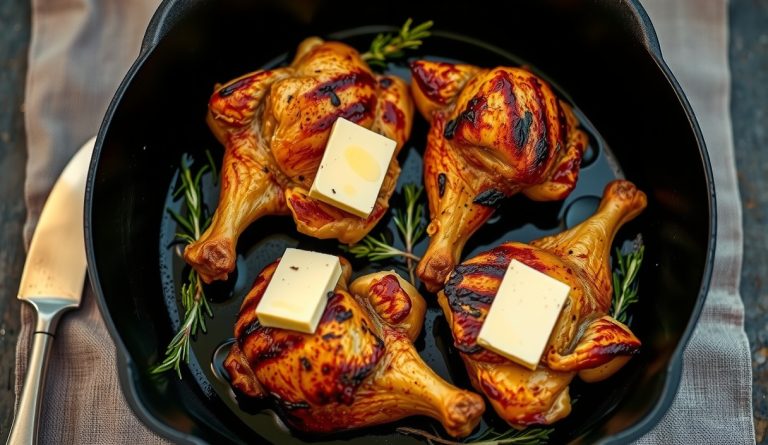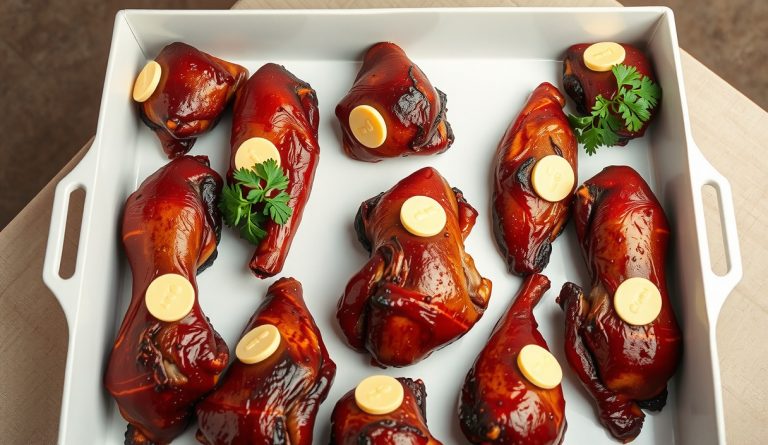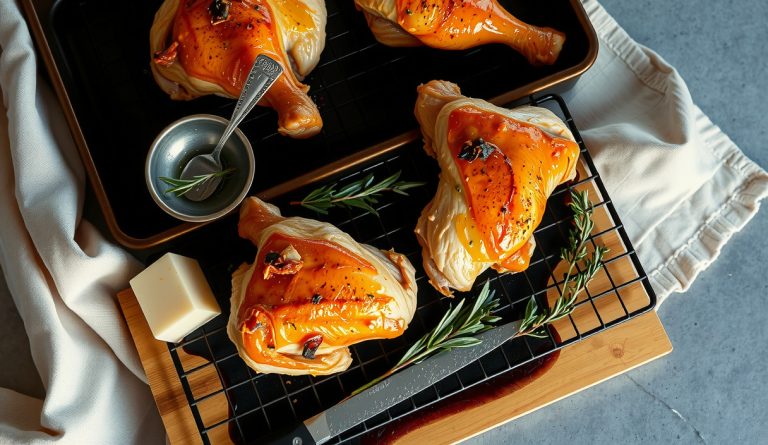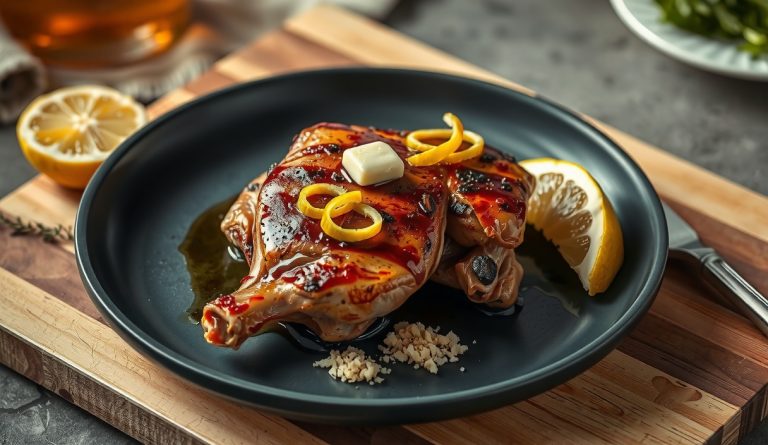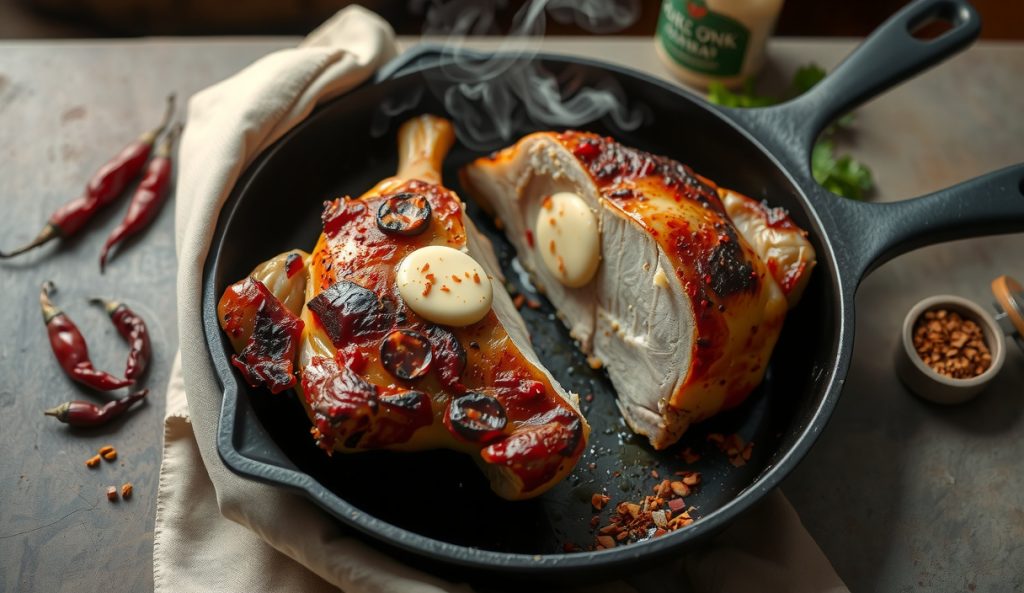
The Spicy Cajun variant rewires the herb profile of the canonical keto smoked chicken thigh recipe entirely, swapping the Mediterranean thyme-and-rosemary backbone for a cayenne-oregano-white pepper combination rooted in Louisiana’s spice tradition. This version is built for cooks who want the fat richness of a compound butter finish to serve as a canvas for heat rather than a soft, fragrant landing. The result is a thigh that reads smoke-first, heat-second, and rich-third — a different but deliberate flavor progression.
What changes in the Spicy Cajun version?
In both the dry rub and the compound butter, replace thyme and rosemary with 1 tsp cayenne pepper, 1 tsp dried oregano, and 0.5 tsp white pepper. Add 0.25 tsp celery salt to the rub only — celery salt introduces an aldehyde-driven savory note common in Cajun seasoning blends without adding meaningful carbs. The erythritol and smoked paprika base remains unchanged: paprika’s carotenoid pigments and the erythritol’s participation in Maillard browning operate identically regardless of the herb composition alongside them, so bark color and crust texture are unaffected by this swap.
Why does the heat work the way it does? The science of capsaicin and fat
Capsaicin binds TRPV1 thermoreceptors to produce the perception of heat, and because capsaicin is lipophilic, it dissolves readily into the compound butter’s fat matrix. This means the heat sensation is delivered in two distinct waves: the dry rub provides initial surface impact at the moment of the first bite, and the melted finishing butter carries a second wave of capsaicin onto the palate. White pepper contributes a secondary piperine-driven heat with a slightly more diffuse, aromatic character than cayenne, broadening the overall spice profile rather than simply amplifying it.
What stays the same as the base recipe?
Smoker temperature, the target internal temperature of 175°F, the cook time window, the under-skin compound butter application method, and the resting protocol are all unchanged from the canonical recipe. The fat content, macronutrient ratios, and net carb count per serving remain consistent with the base version, so this variant fits the same keto macros without adjustment.
When is the Spicy Cajun version the better choice?
Choose this variant when serving guests who favor assertive, heat-forward BBQ, or when pairing with cooling sides — a cucumber-avocado salad or a keto coleslaw will balance the capsaicin load effectively. The Spicy Cajun version is also the stronger choice when cooking over a fruitwood like peach or apple, where the smoke’s natural sweetness benefits from a more aggressive spice counterpoint than thyme and rosemary provide.
Use the full method, equipment, and base rub measurements from the original Keto Smoked Chicken Thighs with Garlic-Herb Compound Butter.