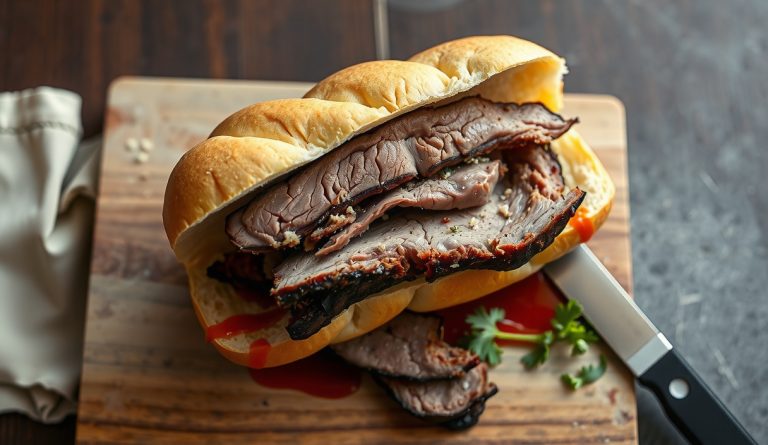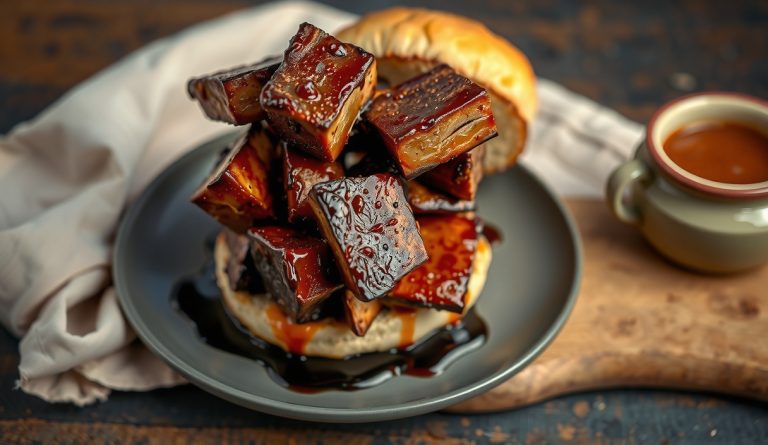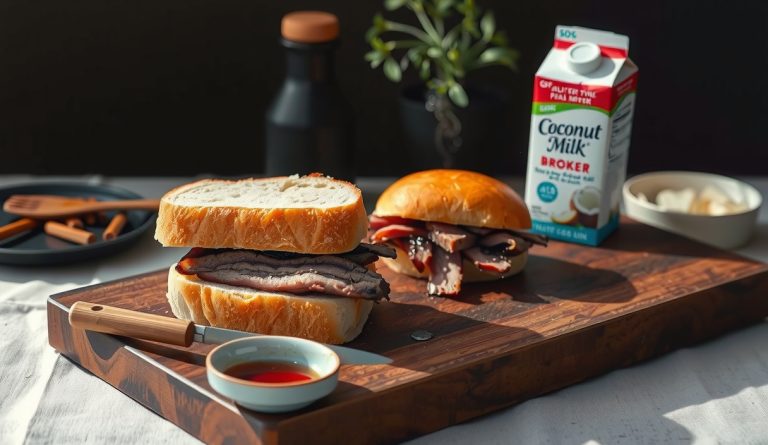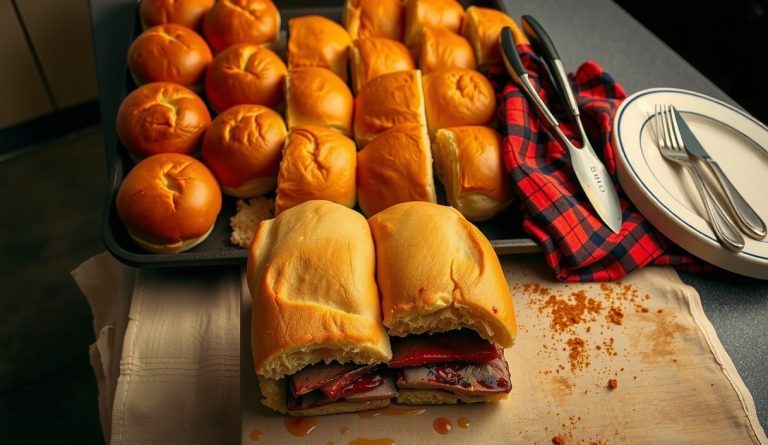
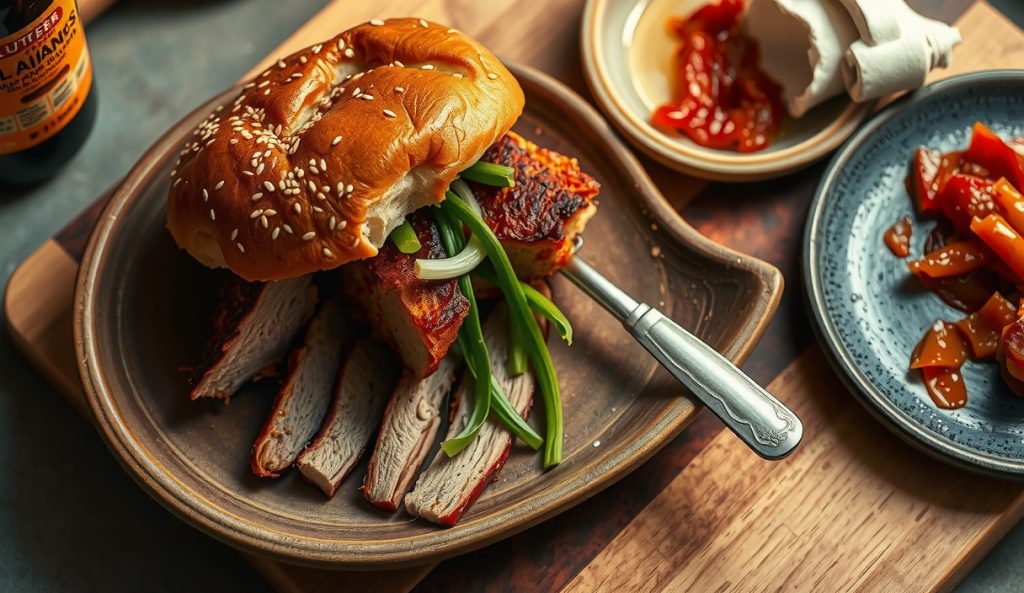
Texas-style brisket rub is built on the aggressive heat of coarsely cracked black pepper and the clean salinity of kosher salt — a deliberately spare canvas that lets oak smoke and rendered beef fat carry the flavor. This Korean-inflected variation keeps that structural restraint but replaces the flavor architecture entirely, drawing on Korean pantry staples to produce bark with a different kind of heat, a roasted sesame top note, and an umami depth sourced from coconut aminos rather than Worcestershire.
This is not a fusion novelty. Korean barbecue culture has a rigorous relationship with smoke, fat, and char — gochugaru-seasoned meats cooked over live fire are foundational, not borrowed. Translating that sensibility to a low-and-slow smoked full packer produces bark that is coherent and compelling rather than hybrid-awkward.
What changes in the Korean-inflected rub?
Replace the canonical black-pepper-heavy Texas rub with a blend of equal parts gochugaru, toasted sesame seeds, fine sea salt, and garlic powder. Before applying the dry rub, brush the brisket surface with 1 tablespoon of coconut aminos — verify gluten-free compliance on your brand, as tamari-style products vary. The coconut aminos provide a glutamate-rich base that promotes deeper Maillard browning during bark formation and adds a savory low note the spice rub alone does not supply.
The gochugaru’s capsaicin content activates TRPV1 thermoreceptors on the palate, which amplifies the perceived warmth of the smoke itself — the heat registers as layered rather than sharp. The toasted sesame seeds contribute 2-acetylpyrazine via Strecker degradation pathways during Maillard reactions at bark temperatures, producing a roasted, nutty top note that reads cleanly against the brisket’s rendered intramuscular fat. Verify that sesame seeds carry no gluten cross-contact advisory; most do not, but label-checking matters in a gluten-free build. All smoke parameters — wood choice, temperature, and timing — remain identical to the canonical recipe.
What stays the same as the original recipe?
The full packer preparation, smoke temperature, timing, wrap decision, rest protocol, and gluten-free brioche bun are unchanged. This Korean-inflected variation is a rub swap only — the structural method of the canonical recipe is intact from fire-up to final assembly.
When is the Korean-inflected rub the better choice?
Choose this rub when you want to move the flavor profile away from the Texas oak-and-black-pepper tradition without abandoning the low-and-slow technique that produces the best brisket. The Korean-inflected rub is also the stronger choice when the rest of the meal leans Korean — pickled daikon, sesame slaw, and gochujang-spiked mayo on the bun all integrate more naturally with this rub than with the canonical Texas build.
Use the full method, equipment, and bun measurements from the original Gluten-Free Smoked Brisket Sandwich.