Key Takeaways
- Diverse Barbeque Options: There are various types of grills available like charcoal, gas, and electric to suit different culinary preferences and budgets.
- Essential Ingredients and Tools: An array of meats, vegetables, marinades, and essential grilling tools are crucial for crafting the perfect barbeque feast.
- Prepping for Success: Properly marinating meats, seasoning vegetables, and preparing sauces in advance are vital steps for an enjoyable grilling experience.
- Grilling Techniques: Master key grilling techniques, such as using a meat thermometer and turning food appropriately, to achieve optimal flavor and texture.
- Platter Presentation: Organize grilled items attractively on a platter, accompanied by sauces and garnishes, for a visually appealing and tasty meal.
- Selling Tips: For those selling barbeque equipment, focus on thorough cleaning, professional staging, and strategic pricing to attract potential buyers.
Ingredients
To create a barbeque feast that turns any backyard into a gourmet haven, you need the right ingredients. Let’s dive into the essentials that will make your barbeque unforgettable.
Meats and Marinades
- Beef Brisket (5 lbs): Choose a well-marbled cut for juiciness.
- Chicken Thighs (4 lbs): Skin-on for crispiness.
- Pork Ribs (Full Rack): Meaty and tender.
- Salt (2 tbsp)
- Black Pepper (2 tsp)
- Garlic Powder (1 tbsp)
- Onion Powder (1 tbsp)
- Paprika (2 tbsp)
- Brown Sugar (1/4 cup): For a touch of sweetness in your rub.
- Soy Sauce (1/4 cup)
- Apple Cider Vinegar (1/4 cup)
- Olive Oil (2 tbsp)
Vegetables and Accompaniments
- Corn on the Cob (6 ears): Husked and cleaned.
- Bell Peppers (4, assorted colors): Seeded and quartered.
- Zucchini (3 medium): Sliced into thick rounds.
- Portobello Mushrooms (6 caps)
- Red Onions (2 large): Sliced into thick rings.
- Salt (1 tsp for seasoning)
- Olive Oil (1/4 cup): For grilling vegetables.
- Fresh Lemon Juice (2 tbsp)
- Barbeque Sauce (2 cups): Sweet and tangy preferred.
- Ranch Dressing (1 cup): For a cooling dip.
- Chimichurri (1 cup): Fresh and herby.
- Hot Sauce (1/2 cup): Bring the heat!
- Honey Mustard (1/2 cup): Sweet with a kick.
Required Tools and Equipment
To achieve the ultimate barbeque experience, having the right tools and equipment is essential. This section breaks down the must-haves and nice-to-haves for your grilling setup.
Grilling Essentials
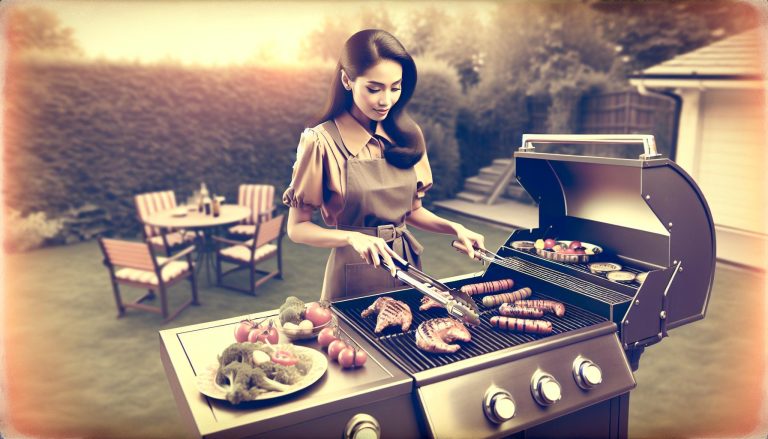
- Grill: Start with a reliable grill. Whether you prefer a charcoal, gas, or electric grill, choose one that suits your cooking style and space.
- Charcoal or Propane: Stock up on either charcoal for that smoky flavor or propane for fast and convenient grilling.
- Grill Grates: Ensure your grill has sturdy grates for even cooking and those perfect sear marks.
- Tongs: Invest in long, heat-resistant tongs to easily flip and move your meats and veggies.
- Spatula: A durable metal spatula is necessary for flipping burgers and other items.
- Meat Thermometer: Use a digital meat thermometer for precise cooking temperatures, ensuring your meats are perfectly cooked.
- Chimney Starter: If you use charcoal, a chimney starter is crucial for lighting coals quickly and efficiently.
- Grill Brush: Keep your grates clean with a strong grill brush to maintain hygiene and prevent sticking.
- Grill Cover: Protect your grill from the elements with a heavy-duty grill cover, extending its lifespan.
- Skewers: Metal or wooden skewers are great for kebabs and grilling small items.
- Basting Brush: Use a silicone basting brush to apply marinades, sauces, and oils to your food.
- Smoking Chips: For a deeper smoky flavor, add wood smoking chips like hickory, applewood, or mesquite.
- Grill Basket: A grill basket is perfect for delicate items like fish or small vegetables that might fall through the grates.
- Heat-Resistant Gloves: Protect your hands with heat-resistant gloves for safe handling of hot items and grill components.
- BBQ Apron: Keep yourself clean and safe from splatters with a sturdy BBQ apron.
- Grill Light: For nighttime grilling, a grill light can illuminate your cooking area for better visibility.
- Temperature Controller: If you enjoy smoking meats, consider a temperature controller to maintain consistent heat levels effortlessly.
Prep Work

Getting ready for a barbeque requires meticulous preparation to ensure a smooth grilling experience. Follow these essential steps for marinating meats, prepping vegetables, and preparing sauces.
Marinating the Meats
- Gather Ingredients:
- 2 lbs of your choice of meat (chicken, beef, pork, etc.)
- 1/2 cup olive oil
- 1/4 cup soy sauce
- 1/4 cup apple cider vinegar
- 2 cloves garlic, minced
- 1 tsp paprika
- 1 tsp black pepper
- 1/2 tsp salt
- Mix the Marinade:
- Combine olive oil, soy sauce, and apple cider vinegar in a bowl.
- Add minced garlic, paprika, black pepper, and salt. Stir well.
- Marinate the Meat:
- Place the meat in a ziplock bag or shallow dish.
- Pour the marinade over the meat, ensuring it is well-coated.
- Seal the bag or cover the dish. Refrigerate for at least 2 hours, preferably overnight.
Prepping Vegetables
- Gather Vegetables:
- 2 bell peppers
- 1 zucchini
- 1 red onion
- 10 cherry tomatoes
- Prepare Vegetables:
- Wash and dry all the vegetables.
- Cut bell peppers into strips, zucchini into rounds, and the red onion into wedges.
- Leave cherry tomatoes whole.
- Season and Skewer:
- Toss vegetables with olive oil, salt, and pepper.
- Thread vegetables onto skewers, alternating types for a colorful presentation.
- Gather Ingredients:
- 1 cup ketchup
- 1/4 cup brown sugar
- 2 tbsp apple cider vinegar
- 1 tbsp Worcestershire sauce
- 1 tsp smoked paprika
- 1/2 tsp garlic powder
- 1/2 tsp onion powder
- 1/4 tsp black pepper
- Mix the Sauce:
- Combine all ingredients in a saucepan over medium heat.
- Stir regularly to dissolve the sugar and mix the spices evenly.
- Simmer for 10 minutes until the sauce thickens.
- Store or Serve:
- Let the sauce cool. Store in a clean jar or squeeze bottle.
- Serve with grilled meats or brush onto meats in the last 10 minutes of grilling.
Grilling Instructions
Once you’ve prepped your meats, vegetables, and sauces, it’s time to get grilling! This section will guide you through cooking the meats and grilling vegetables perfectly.
Cooking the Meats
- Preheat the Grill: Set your grill to medium-high heat (around 375°F-400°F). Allow it to preheat for about 10-15 minutes.
- Oil the Grates: Use a pair of tongs to rub a paper towel soaked in vegetable oil over the grill grates to prevent the meat from sticking.
- Place the Meats: Place your marinated meats on the grill. Start with thicker cuts like ribs or brisket which need longer to cook.
- Use a Meat Thermometer: Insert a meat thermometer into the thickest part of the meat to ensure it’s cooked through. For beef, aim for an internal temperature of 145°F for medium-rare. For chicken, it should reach 165°F.
- Turn the Meat: Flip the meat halfway through the cooking time to ensure even grilling. For instance, chicken breasts typically need about 6-8 minutes per side.
- Check for Juices: When you cut into the meat, the juices should run clear. If not, give it a few more minutes.
- Rest the Meat: Let the meat rest for about 5-10 minutes after removing it from the grill before serving. This helps to seal in the juices.
- Prep the Vegetables: Slice vegetables like zucchini, bell peppers, and onions into even pieces. Lightly coat them with olive oil and season with salt and pepper.
- Create a Foil Pack: For smaller vegetables like mushrooms or cherry tomatoes, place them in a foil pack to prevent them from falling through the grates.
- Place on the Grill: Arrange the vegetables in a single layer on the grill.
- Monitor Cooking Times: Grilling times vary based on the vegetable. Zucchini and bell peppers typically grill for about 4-5 minutes per side, while denser vegetables like carrots may need around 10 minutes.
- Turn Occasionally: Use tongs to turn the vegetables occasionally to prevent charring.
- Check for Doneness: Vegetables are done when they are tender and have a nice char.
- Remove and Serve: Carefully remove the vegetables from the grill and serve hot.
This detailed approach ensures you achieve that perfect smoky flavor and optimal texture for both your meats and vegetables.
Assembling Your Barbeque Platter
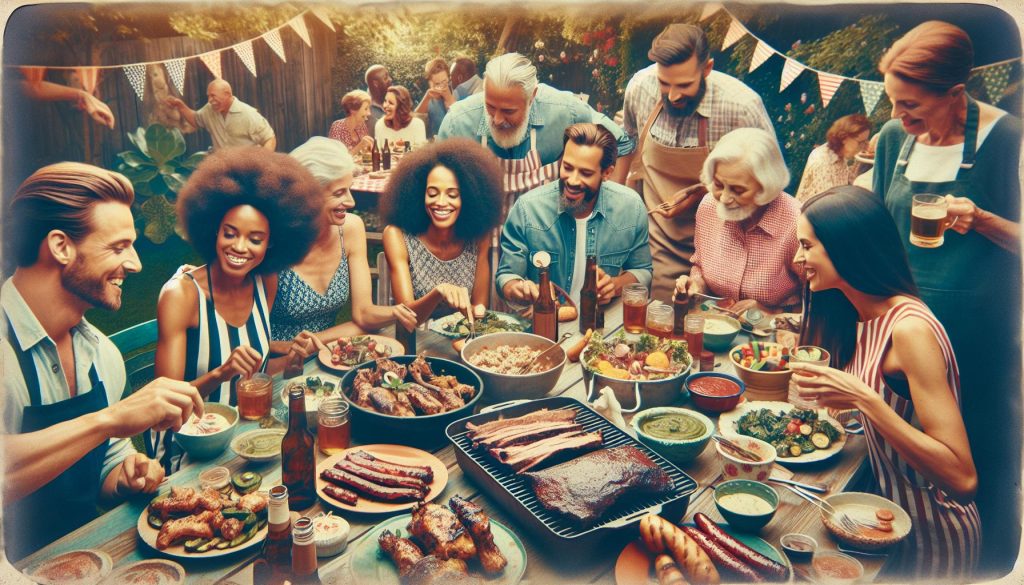
You’ve got your deliciously grilled meats and perfectly charred vegetables ready. Now, it’s time to assemble your barbeque platter for an unforgettable feast.
Arranging Meats and Vegetables
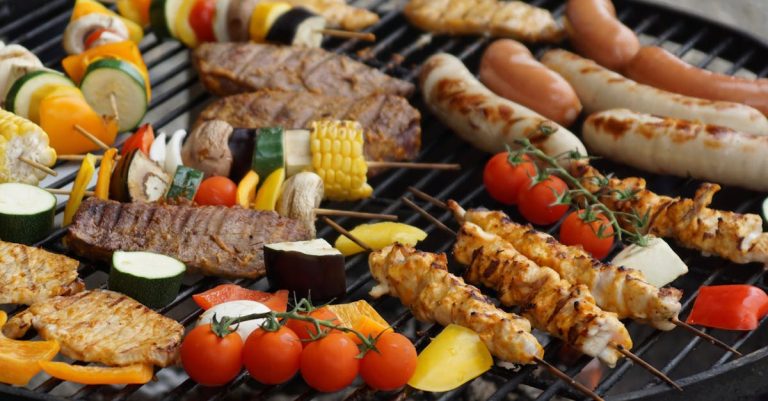
First, start with a large serving platter. Place the various types of meats—whether it’s brisket, ribs, chicken, or sausages—strategically, ensuring they’re easy to access for your guests. Separate each type of meat for a visually appealing presentation.
- Brisket: Slice against the grain in 1/4 inch thick pieces to retain juiciness.
- Ribs: Cut individual ribs or in pairs to make serving easier.
- Chicken: Divide into wings, thighs, drumsticks, and breasts.
- Sausages: Slice diagonally into bite-sized pieces.
Next, place the grilled vegetables around the meats. This not only adds vibrant color but also balances the platter with healthier options.
- Bell Peppers and Zucchini: Slice lengthwise into strips.
- Corn on the Cob: Cut into quarters.
- Mushrooms and Onion Rings: Arrange in small clusters across the platter.
Adding Sauces and Final Touches
No barbeque platter is complete without an array of delectable sauces and finishing touches. These will enhance the flavors and provide that extra zest your guests crave.
- Homemade Barbeque Sauce: Serve in a small bowl with a spoon.
- Spicy Sriracha Mayo: Perfect for adding a kick to your meats.
- Tangy Mustard Sauce: Ideal for sausages and chicken.
- Herbed Garlic Butter: Drizzle over vegetables for added richness.
Finally, garnish your platter with fresh herbs like parsley or cilantro. Add a few lemon wedges for a splash of freshness, and don’t forget a bowl of pickles or jalapeños for that perfect tangy crunch. Your beautifully assembled barbeque platter is now ready to impress and delight your guests.
Serving Suggestions
Your barbeque feast deserves perfect side dishes and beverages to complement those smoky, savory flavors.
Side Dishes
Classic Coleslaw
A crisp and creamy coleslaw balances the rich flavors of barbequed meats. Combine shredded cabbage and carrots with a dressing made from mayonnaise, apple cider vinegar, sugar, salt, and pepper. Chill before serving.
Baked Beans
For a hearty side, prepare baked beans. Sauté onions and bacon, then add canned beans, barbeque sauce, brown sugar, and a touch of mustard. Simmer until thick and flavorful.
Cornbread
Serve warm cornbread for a traditional touch. Mix cornmeal, flour, sugar, baking powder, milk, eggs, and melted butter. Bake until golden brown.
Grilled Corn on the Cob
Grilled corn on the cob smothered in herb butter makes a delightful addition. Brush corn with melted butter, grill until charred, then sprinkle with salt and herbs.
Potato Salad
A creamy potato salad can cool down the spice and add to the feast. Boil diced potatoes, then mix with mayonnaise, Dijon mustard, chopped celery, onions, and hard-boiled eggs.
Beverage Pairings
Iced Tea
Refresh with classic iced tea. Brew black tea, then chill and sweeten to taste. Add lemon slices for a zesty twist.
Lemonade
Homemade lemonade is a timeless barbeque companion. Squeeze fresh lemons, mix with water and sugar, and serve over ice.
Beer Pairings
Enhance your barbecue flavors with beer. Consider a crisp lager to match grilled chicken, or a hearty stout for rich meats like brisket.
Non-Alcoholic Beverages
Keep it family-friendly with sparkling water infused with fruits. Offer a selection like mint and cucumber, or berries and citrus.
Wine Pairings
Pair smoked meats with a robust red wine like a Zinfandel. For lighter fare, a chilled Rosé or Sauvignon Blanc pairs nicely.
Get ready to enjoy your barbeque with these exceptional sides and perfectly paired beverages.
Tips for Selling Your Barbeque
Selling your barbeque can be a rewarding experience, especially when you know how to present it effectively and price it right.
Presentation Tips
Presenting your barbeque in the best light is crucial to capturing the interest of potential buyers. Here are some tips to enhance your barbeque’s appeal:
- Clean Thoroughly: Ensure your barbeque is spotless. Remove grease buildup and clean the grates thoroughly.
- Inspect for Damage: Check for any rust, broken parts, or wear and tear. Fix minor issues or clearly disclose them to potential buyers.
- Stage Professionally: Take high-quality photos. Set up your barbeque in an appealing outdoor setting, with proper lighting to highlight its features.
- Highlight Key Features: Emphasize unique features like extra burners, side shelves, built-in thermometers, or any custom modifications you’ve made.
- Create a Video Tour: Create a short video showcasing your barbeque. Highlight its functionality, condition, and any unique features.
Pricing Strategies
Setting the right price can make or break your sale. Use these strategies to ensure you get the best value for your barbeque:
- Research Market Prices: Check online marketplaces for similar models to gauge the current market value.
- Consider Age and Condition: Adjust your price based on how old your barbeque is and its current condition. A bar graph can help visualize comparative pricing.
| Barbeque Age | Condition | Price Range ($) |
|---|---|---|
| 0-2 years | Excellent | 300-400 |
| 2-5 years | Good | 200-300 |
| 5+ years | Fair | 100-200 |
- Factor in Extras: If you’re including accessories like covers, utensils, or propane tanks, factor these into the price.
- Set a Negotiation Buffer: Price slightly higher than your bottom line to leave room for negotiation.
- Promotions and Discounts: Offer a limited-time discount or package deal to attract more buyers.
Using these tips will help you present and price your barbeque effectively, increasing your chances of a successful sale.
How Can Grill Discounts Enhance Your BBQ Preparation and Pricing Strategies?
Securing the best bbq discounts and grilling tips can significantly elevate your BBQ preparation and pricing strategies. Discounts on premium grills and accessories enable you to invest in quality equipment while saving money, while expert tips optimize cooking techniques. Together, they ensure cost-effectiveness and unforgettable BBQ experiences for every occasion.
Conclusion
Finding the perfect barbeque for sale can elevate your outdoor cooking game to new heights. With the right equipment and ingredients, you’ll be well on your way to hosting unforgettable gatherings. Remember to focus on meticulous preparation and presentation to impress your guests. When it’s time to sell, thorough cleaning, professional staging, and strategic pricing can make all the difference. By following these tips, you’ll not only enjoy a fantastic barbeque experience but also ensure a smooth and successful sale when the time comes. Whether you’re searching for the top barbeque grills for sale or looking to upgrade your current setup, researching reviews and comparing features is key to making the best choice. Investing in high-quality equipment ensures durability and superior performance, allowing you to cook like a pro. By prioritizing quality and functionality, you’ll maximize both your grilling experiences and the value of your investment.
Frequently Asked Questions
What are the essential ingredients required for a barbeque?
The essential ingredients for a barbeque include a variety of meats like brisket, ribs, chicken, and sausages. Additionally, you need marinades, spices, vegetables, and different kinds of sauces such as homemade barbeque sauce, spicy Sriracha mayo, tangy mustard sauce, and herbed garlic butter.
What tools do I need for a successful barbeque?
Key tools for a great barbeque include a high-quality grill, tongs, grill brush, meat thermometer, and skewers. These help you cook and serve food properly while maintaining safety and hygiene.
How should I marinate meats for a barbeque?
Marinate meats by mixing spices, herbs, and liquids like oil and vinegar or citrus juice. Let the meats soak in the marinade for at least a few hours, preferably overnight, to infuse flavors properly.
What is the best way to prepare vegetables for grilling?
To prepare vegetables for grilling, wash and cut them into even-sized pieces. Brush them lightly with olive oil and season with salt, pepper, and your preferred spices. Grill them until tender and slightly charred.
How can I make a homemade barbeque sauce?
Make a homemade barbeque sauce by combining ketchup, brown sugar, vinegar, Worcestershire sauce, mustard, and spices. Simmer the mixture on low heat until it thickens to your desired consistency.
How should I arrange a barbeque platter?
Arrange a barbeque platter by placing various grilled meats like brisket, ribs, chicken, and sausages alongside grilled vegetables. Add sauces, garnishes like fresh herbs, lemon wedges, and pickles or jalapeños for visual appeal and flavor complexity.
What are some key tips for selling a barbeque effectively?
For an effective sale, ensure the equipment is clean, damage-free, and professionally staged. Highlight its key features, research the market prices, consider age and condition, set a negotiation buffer, and offer promotions or discounts to attract buyers.
How should I price my barbeque for selling?
Price your barbeque by researching market prices, taking into account its age and condition, and factoring in any extra accessories. Set a small negotiation buffer and consider offering promotional deals to make your offer more appealing.
What are the best presentation tips for a successful barbeque sale?
Presentation tips include cleaning the barbeque thoroughly, inspecting for any damage, staging it professionally in a well-lit area, highlighting key features, and creating a detailed video tour to showcase its condition and functionality.