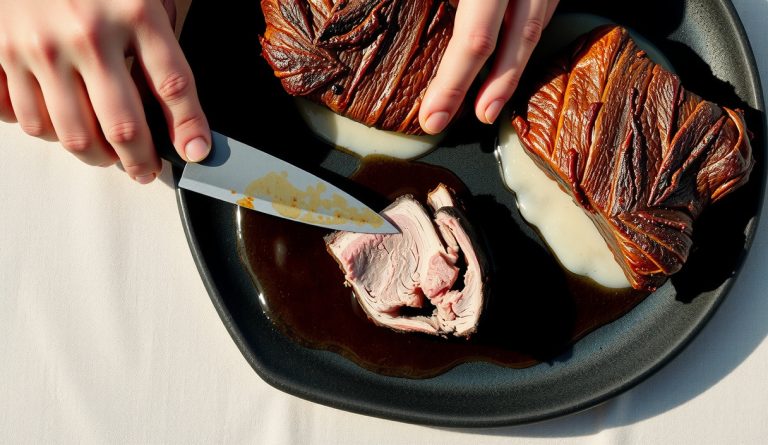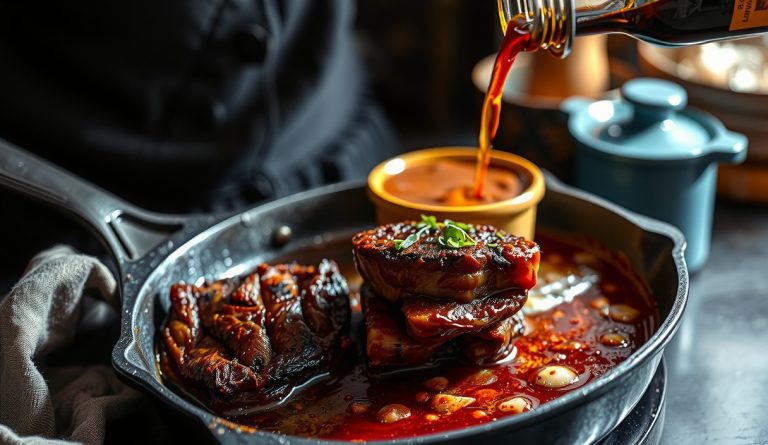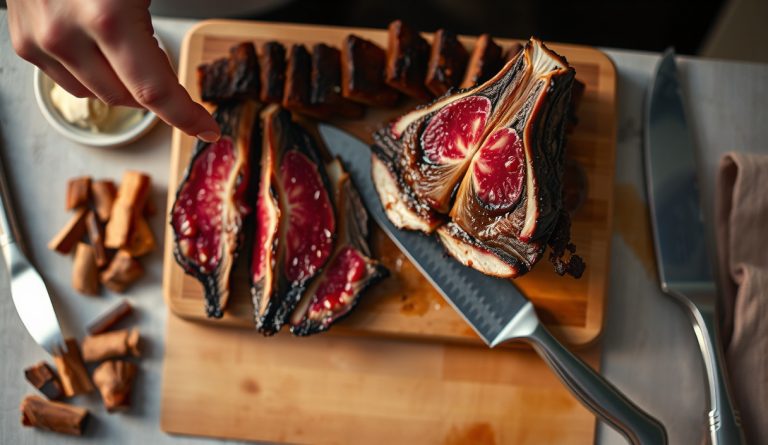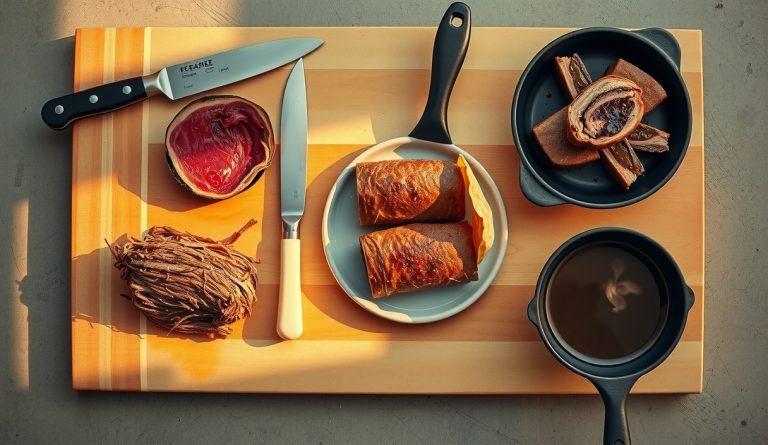
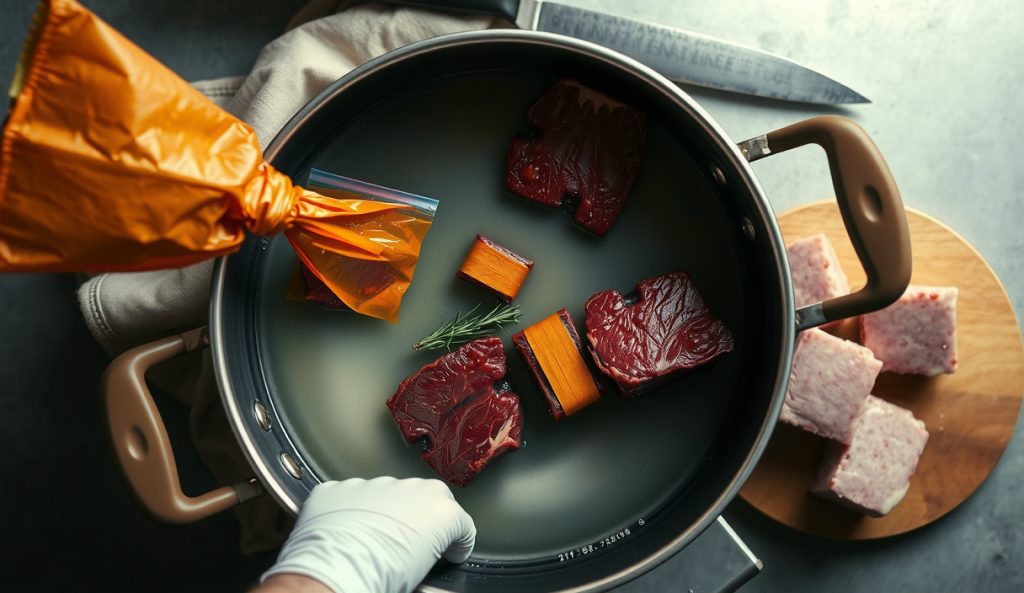
Sous vide cookery scales linearly because the physics do not change when additional protein enters the bath — provided the heat-transfer medium (circulating water) maintains uniform contact with every surface. For beef cheeks, which require sustained 155°F exposure over 36 hours for full collagen conversion, any disruption to that water contact creates cold pockets that compromise texture in specific portions of the cook.
What changes when you scale up beef cheeks?
When scaling from two to four beef cheeks, use two separate vacuum bags rather than one large bag with all cheeks touching. Collagen-rich beef cheeks are dense and press flat against each other under vacuum, creating an insulating layer where water cannot circulate. The thermal conductivity of stacked meat-on-meat contact is substantially lower than water-on-meat contact, and over a 36-hour cook, even a 3–5°F differential in a cold pocket is enough to leave collagen partially unconverted — producing a tough, chewy band through the center of an otherwise properly cooked cheek.
If you are using a full hotel pan or a large cambro container, four cheeks in two bags can be positioned vertically using a sous vide rack or separated by a perforated divider so the circulator’s flow passes between them. Position the circulator so its output flows directly between the bags, not along a side wall away from the protein. Verify bath temperature with an independent probe thermometer at the start of the cook to confirm the target is reached uniformly before walking away for the overnight hold.
What stays the same when doubling the batch?
Temperature, time, rub ratio, and finishing method are all identical to the two-cheek canonical. The only variable that requires active management when scaling beef cheeks is physical bag arrangement and verified circulation. Smoke stage timing and sear duration do not change per-cheek regardless of batch size.
When is scaling up beef cheeks the better choice?
Scaling to four or more beef cheeks is the right path for catering prep, restaurant batch production, or any event where multiple portions are needed simultaneously. Because the sous vide stage is hands-off once the bath is confirmed at temperature, doubling the batch adds almost no active labor. The 36-hour window also makes this an ideal overnight-into-next-morning cook for same-day event service.
Use the full method, equipment, and rub measurements from the original Sous Vide Smoked Beef Cheeks.