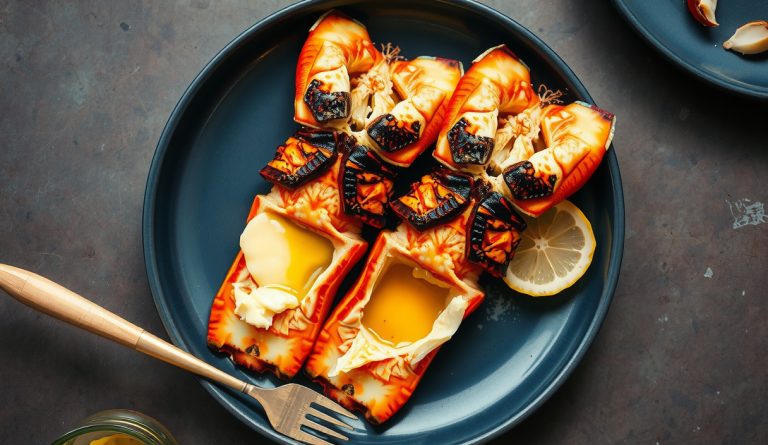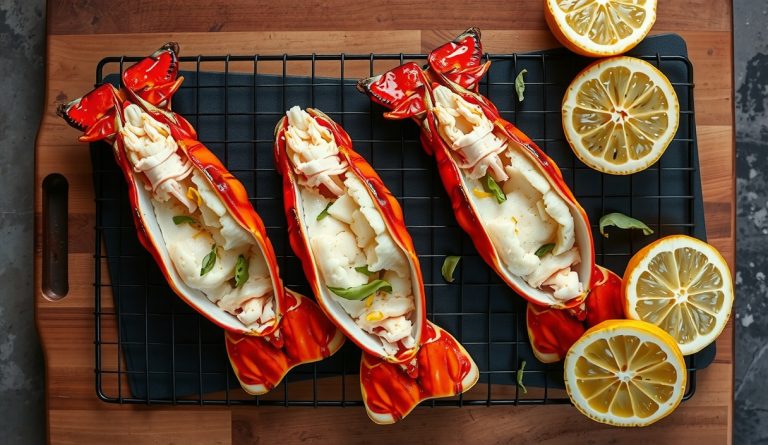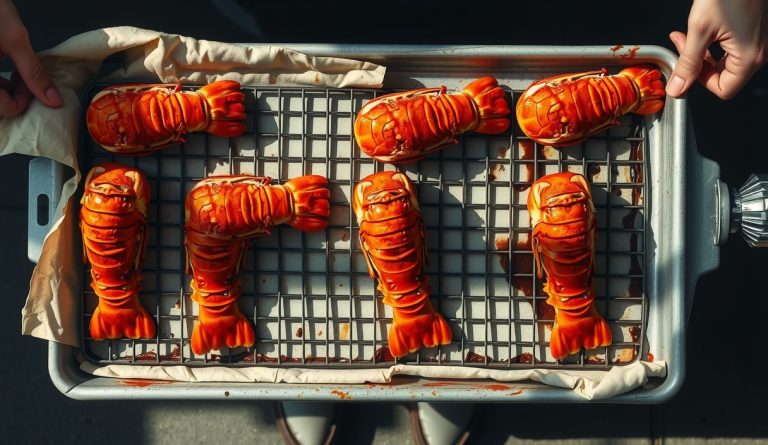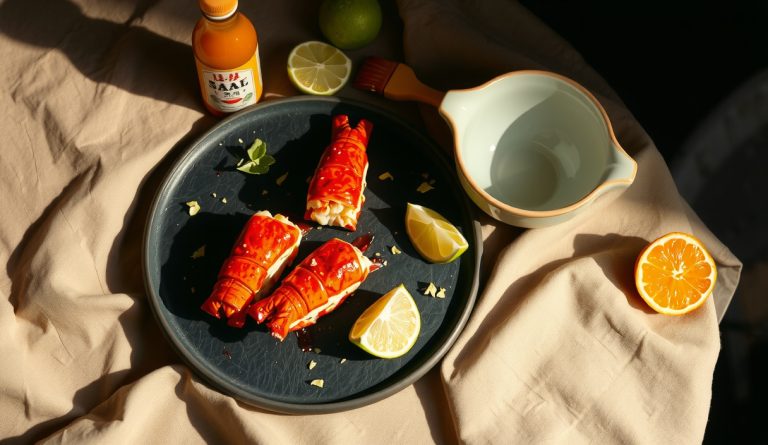
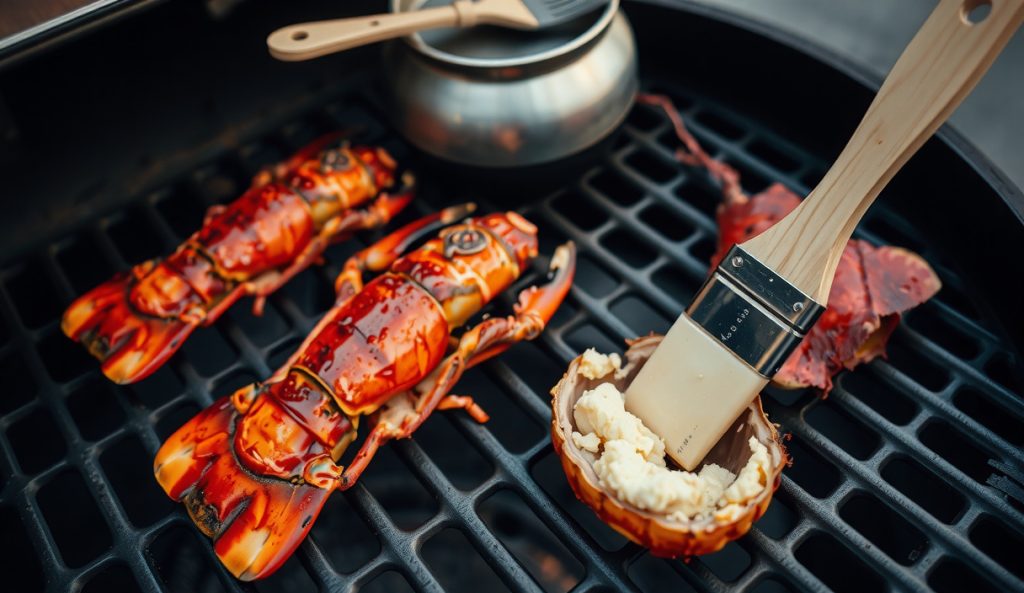
Pellet grills are convenient and consistent, but they present a real challenge for a short-cook, delicate protein like lobster tail: as set temperature rises, the combustion process becomes more complete, producing less of the incompletely burned wood compounds — primarily guaiacol and syringol — that create perceived smoke flavor. On a standard offset or kettle setup this trade-off matters less because the cook controls combustion directly. On a pellet grill, smoke deposition must be engineered into the early phase of the cook, before heat is raised to reach the internal target.
What changes for a pellet grill cook?
The key adaptation is a two-stage temperature approach. Set the pellet grill to its lowest smoke setting — typically 180°F to 200°F depending on the unit — and hold there for the first 12 minutes of the cook. At this lower temperature, combustion efficiency drops, pellet gasification is incomplete, and the resulting smoke is denser in phenolic compounds. The lobster flesh, still cool at the surface during this window, adsorbs these smoke molecules readily before surface proteins tighten and form a barrier to further deposition.
After 12 minutes, raise the grill to 250°F for the remainder of the cook. The higher temperature drives the lobster tail’s internal temperature toward the 140°F target in a reasonable timeframe without the protracted exposure that would overtighten the texture. Begin basting at the temperature bump — the elevated heat helps the butter baste set and glaze more quickly than it would at the lower stage. Total cook time from loading to pull typically runs 25–32 minutes, depending on tail size and how quickly a specific unit climbs between set points.
What stays the same from the original recipe?
The butterfly cut, the butter-paprika baste formula, the 140°F internal pull temperature, and the rest-before-service recommendation are all unchanged in this adaptation. Smoke wood selection is determined by pellet choice — cherry or apple pellets perform best here, mirroring the mild fruitwood recommendation in the canonical recipe.
When is the pellet grill adaptation the better choice?
Use this adaptation any time a pellet grill is the primary or only available smoker. The pellet grill method is also the right approach in cold or windy ambient conditions where maintaining 225°F on a kettle or offset requires constant attention — the automated auger and temperature control free the cook to focus on basting and timing rather than fire management. The two-stage method recovers the smoke flavor that the pellet grill platform would otherwise sacrifice at higher operating temperatures.
Use the full baste formula, prep instructions, and internal temperature guidance from the original Smoked Lobster Tails with Butter-Paprika Baste.