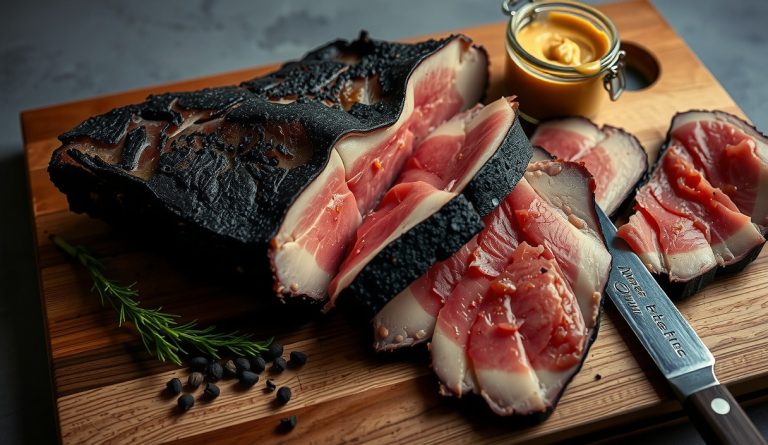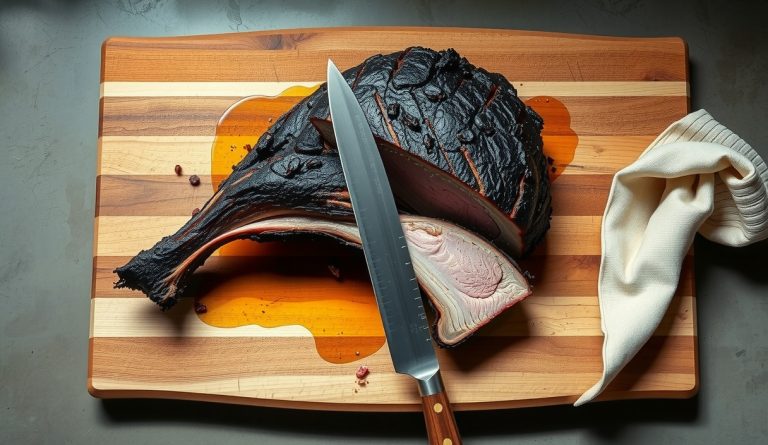
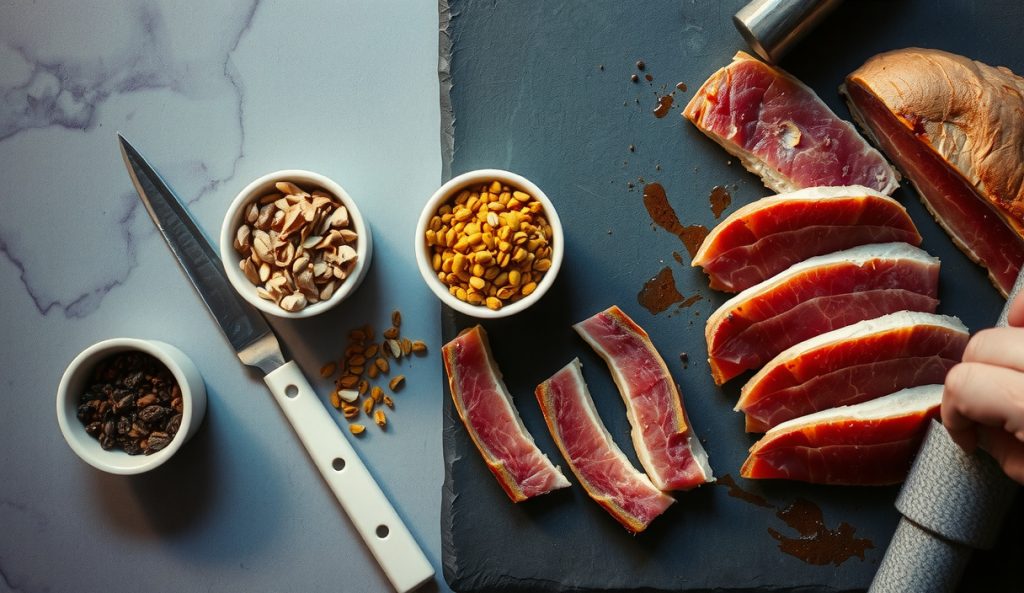
The canonical pastrami rub — coarsely cracked black pepper and toasted coriander seed at a 2:1 ratio by volume — is a deliberate restraint. The base rub frames the cured beef without competing with it and builds a firm, adherent bark during the smoke phase. That ratio is also a canvas: regional deli traditions, chef-driven modernizations, and personal flavor preference all push the spice profile in directions well-supported by both culinary history and flavor chemistry. This variant covers the most useful spice additions and the one technical adjustment required when dried sugars enter the rub.
What changes when you vary the pastrami rub?
Common additions to the 2:1 pepper-coriander base each contribute a distinct mechanism. Mustard seed reinforces the sharp, pungent aromatic register already suggested by coriander. Smoked paprika contributes mild sweetness and deepens the mahogany color of the bark without adding capsaicin heat. Dried chili flake introduces controlled heat and pairs particularly well with the fatty richness of a point-cut pastrami. Fennel pollen — a chef-driven addition — delivers an anise-forward brightness and a fine-textured coating that adheres to the surface differently than coarser-ground spices.
None of these additions require a technique change. Apply any of them as part of the rub before the cold rest and the smoke phase, exactly as described in the canonical recipe.
Dried sugars are the one exception. If turbinado, brown sugar, or any simple reducing sugar is added to the pastrami rub, reduce pit temperature by 10°F — from 225°F down to 215°F. Simple reducing sugars (glucose, fructose, and the glucose-fructose pairs in sucrose after inversion) begin Maillard browning reactions at approximately 280°F–300°F surface temperature, meaningfully lower than the threshold for amino acid-driven Maillard reactions in a sugar-free rub. At a standard 225°F pit with a sugared rub, higher bark mass density or tight airflow can push surface temperatures into bitter carbon territory before the internal pull target is reached. Dropping to 215°F provides the necessary margin. Expect the smoke phase to run 30 to 45 minutes longer at this lower pit temperature — build that into your timeline.
What stays the same no matter which rub variant you use?
The 2:1 black pepper to coriander ratio remains the structural foundation of every variation. Additions are layered on top of the base — not substituted for it. Cure protocol, smoke-phase pull temperature, and steam-phase finish target are all unchanged regardless of rub composition.
When is a rub variant the better choice?
Rub variations make the most sense in three situations: when cooking for an audience with a defined flavor preference; when you want a visual distinction between batches (smoked paprika delivers a noticeably deeper, more mahogany bark color); or when working with a point-cut or short rib where the richer fat content can support bolder spice additions without being overwhelmed by them.
Use the base rub quantities, brine formula, and full two-stage method from the original Smoked Pastrami from Scratch, applying the 215°F temperature adjustment only if dried sugars are included in the rub.