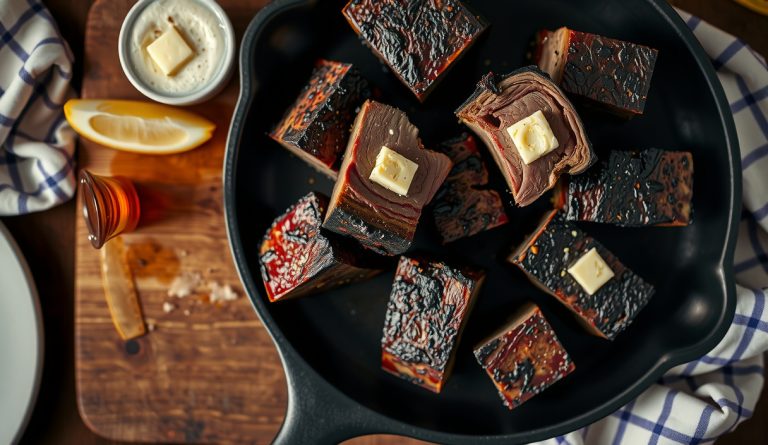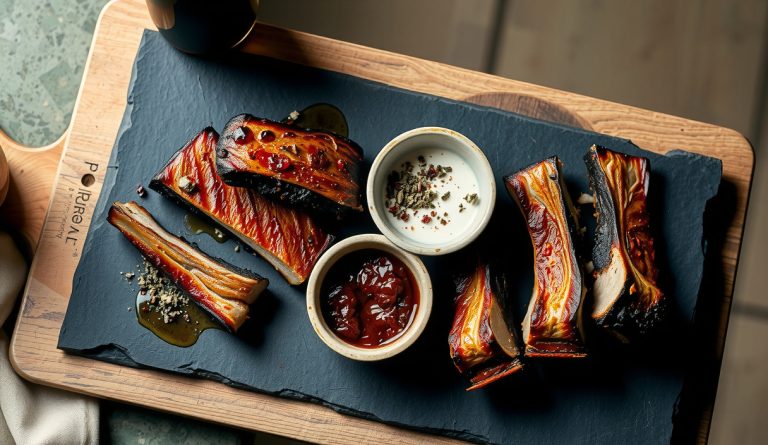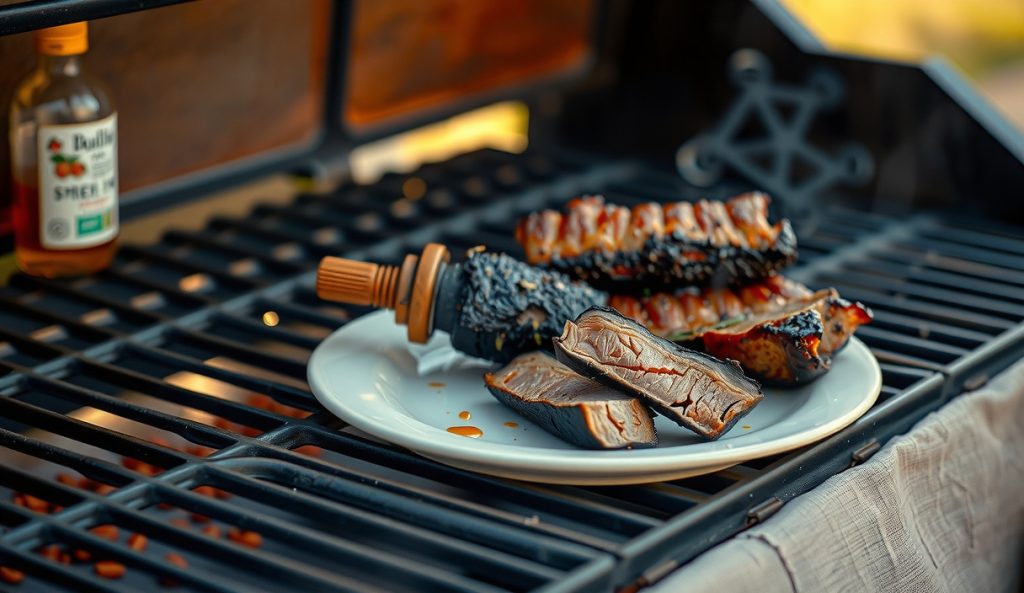
An offset smoker and a pellet grill produce fundamentally different microclimates around the meat. Offsets run humid, stratified convection; pellet grills run drier, more aggressive forced-air circulation. The combustion output of cherry pellets at 250°F delivers equivalent smoke ring penetration and particulate deposition given the longer cook time this recipe already calls for. The challenge on a pellet grill is not smoke — it is surface moisture management.
What changes when you move from offset to pellet grill?
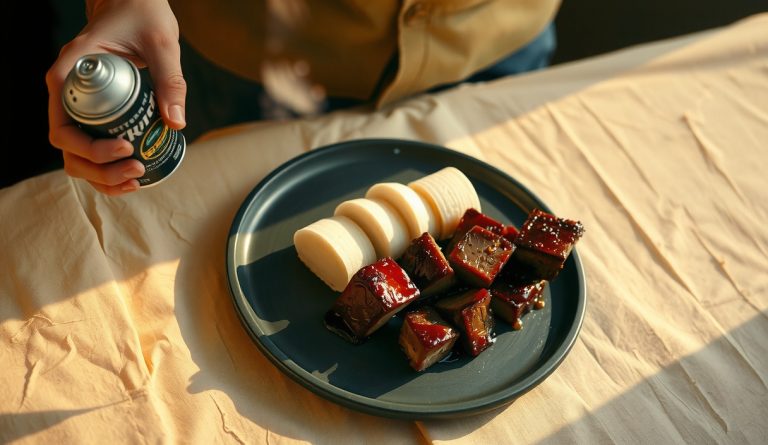
Run the pellet grill at 250°F with cherry pellets. Total cook time falls in the 10–13 hour range, consistent with the canonical offset timeline, so no clock adjustment is needed. The critical modification is a regular spritz: apply a 50:50 apple cider vinegar-water mixture every 45 minutes through the first 6 hours of the cook.
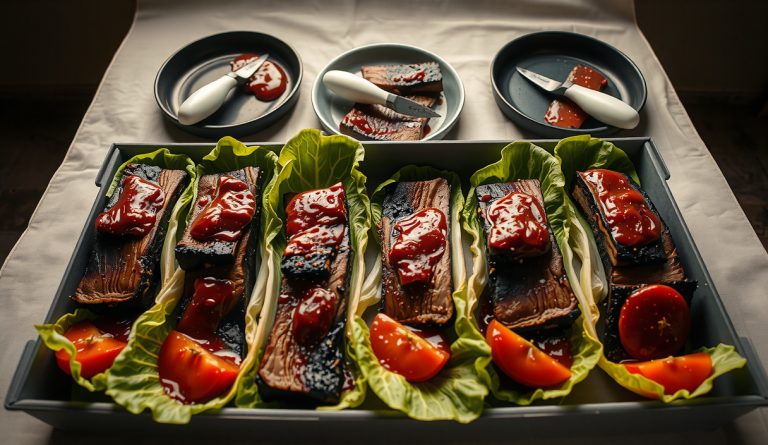
The forced convective airflow of most pellet grills removes surface moisture faster than a damper-managed offset, which drives the Maillard crust to set prematurely — before the deeper collagen network has hydrolyzed sufficiently. Collagen hydrolysis to gelatin requires sustained internal temperatures above 160°F for an extended period. If the outer crust locks down while the interior is still below that thermal window, the bark traps steam and produces a tough, leathery exterior rather than the brittle-crisp texture the burnt ends recipe is built around.
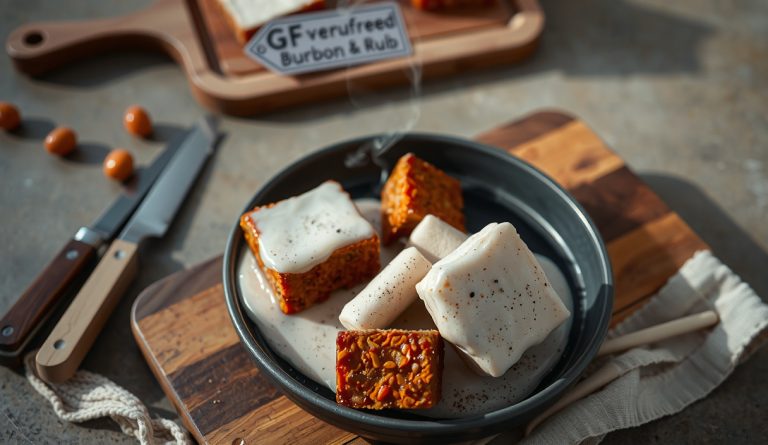
The vinegar in the spritz does double work: it adds a mild acidic surface note that complements the cherry-bourbon foam, and its evaporative cooling effect moderates surface temperature without meaningfully dropping chamber temperature. After the 6-hour mark, interior collagen hydrolysis is well underway and the surface can be allowed to set fully through the remainder of the cook.
What stays exactly the same as the original recipe?
The dry rub, internal temperature targets, the braise phase (wrapping and braising in the cherry-bourbon liquid), the rest period, and the entire foam preparation are identical to the canonical method. Pellet choice — cherry — is already aligned with the canonical recipe’s recommended smoke wood, so flavor profile continuity is high across both cooker types.
When is the pellet grill adaptation the better choice?
This adaptation is the practical path for cooks who own a pellet grill as their primary outdoor cooker and do not have access to an offset. It is also well-suited to backyard cooks who want the automation and consistent hold temperature that pellet grills provide, particularly for overnight or unattended portions of a 10–13 hour cook. The 45-minute spritz discipline adds a small active-management requirement but is otherwise simple to execute.
Use the full method, sauce, and foam measurements from the original Burnt Ends with Cherry-Bourbon Foam.