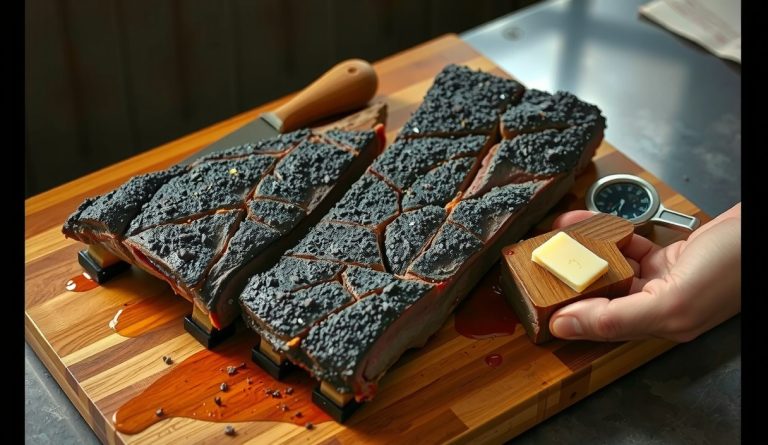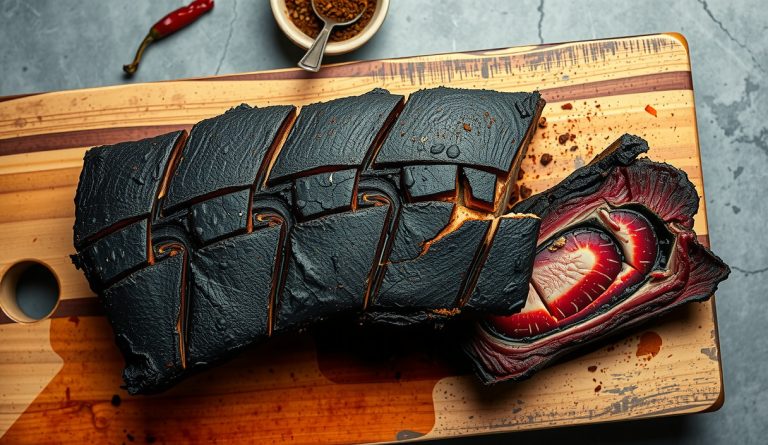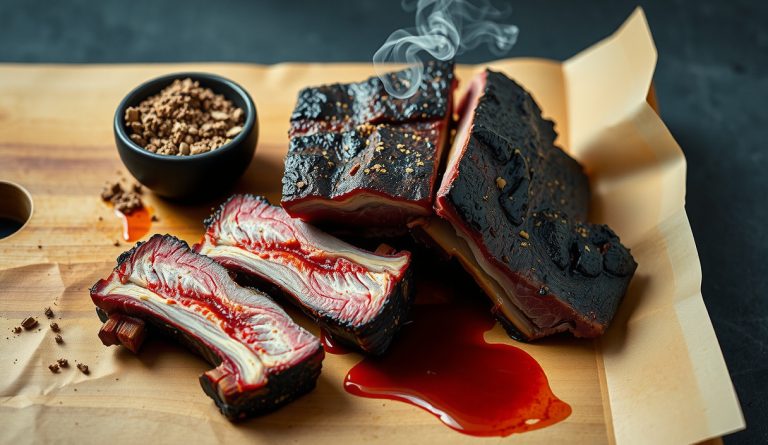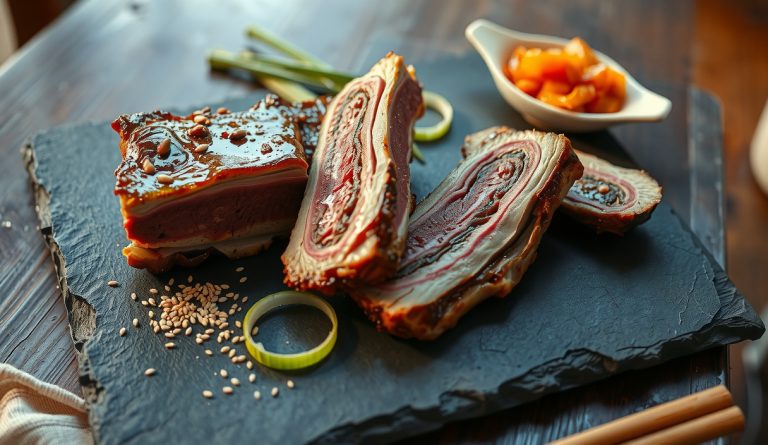
Beef short ribs are one of the most naturally keto-compatible cuts in the BBQ universe: high intramuscular fat, dense protein, zero carbohydrates in the meat itself, and a cooking method that requires no sugar, no starch, and no sauce. The canonical two-ingredient rub — salt and pepper — is already ketogenic. This adaptation is a targeted audit of any sugar-bearing additions that typically accompany or finish a short rib plate, with precise substitution logic rooted in how each sweetener behaves under heat.
What actually changes in the keto version?
The rub — no issue, but know why: The canonical rub contains no sugar, so there is nothing to swap in the primary seasoning. Some cooks add a small amount of brown sugar to a short rib rub to accelerate bark browning. If you are working from a variation that does this, replace it with allulose at a 1:1 ratio by volume. Allulose is a rare sugar delivering approximately 0.4 kcal/g with negligible glycemic impact, and it is the technically superior keto sweetener for bark formation because allulose participates in Maillard browning and caramelization at temperatures close to sucrose — critical here, since bark color is a direct proxy for flavor development.
Erythritol and monk-fruit blends will not brown the same way. Erythritol has a higher caramelization threshold — approximately 365°F versus 320°F for sucrose — resists Maillard participation, and will crystallize on the surface as it cools, producing a slightly gritty, faintly cooling sensation on the bark. Use allulose when browning matters; use erythritol or monk-fruit only when your goal is purely sweetness in a finishing sauce where no heat is applied.
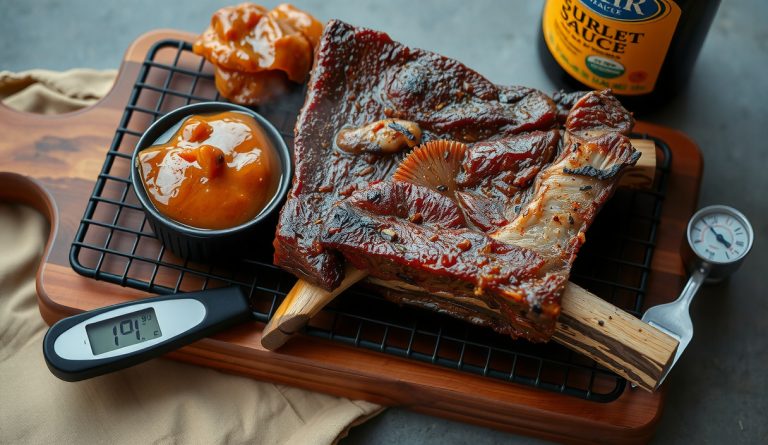
Finishing sauce: A common accompaniment to smoked beef short ribs is a ketchup-and-molasses-based BBQ sauce. A standard two-tablespoon serving of commercial BBQ sauce carries 12–16g of sugar. Replace that sauce with a keto BBQ sauce built on tomato paste (2g net carbs per 2 tbsp) as the base, apple cider vinegar for brightness, smoked paprika, a dash of gluten-free Worcestershire, and allulose to taste. A two-tablespoon portion of this formulation delivers approximately 2–3g net carbs versus 14g in the commercial version — an approximately 11g net-carb reduction per serving.
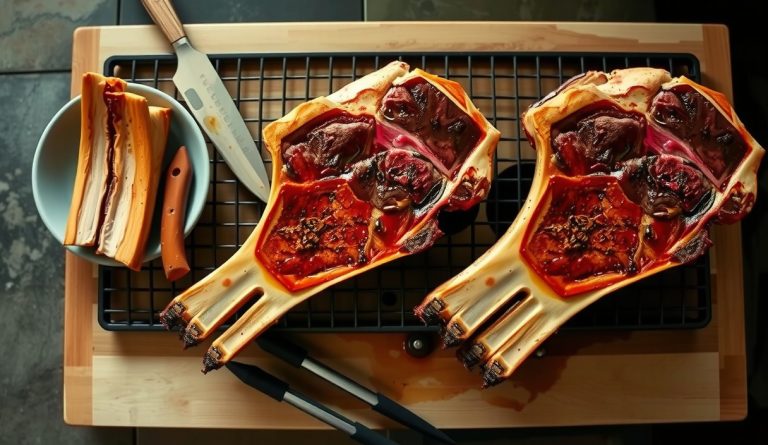
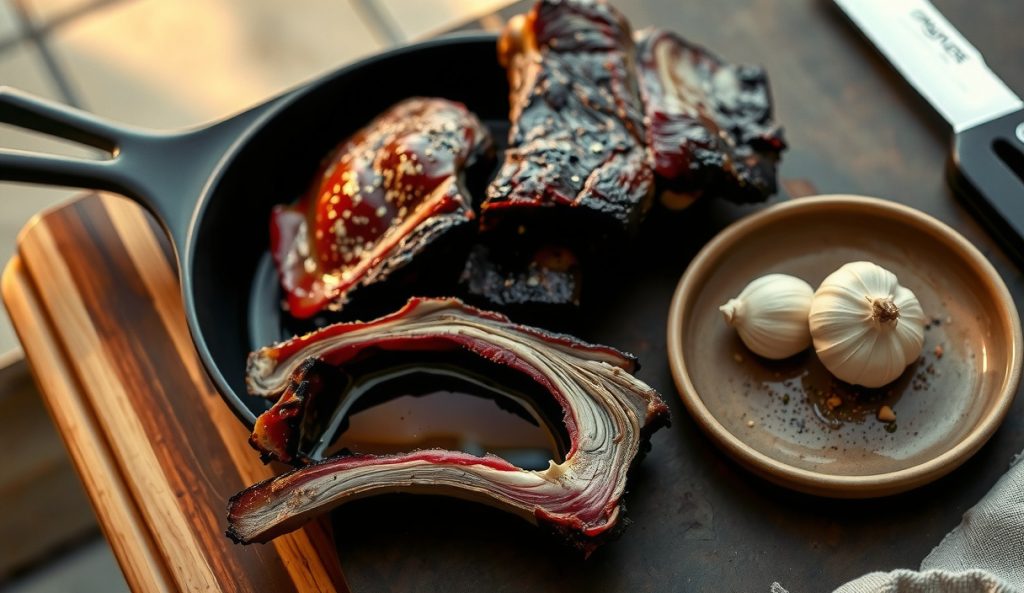
Sides and serving vessel: Skip the white-bread slice or potato side that traditionally accompanies Texas-style short ribs. The fat content of a properly rendered plate short rib — upward of 40g of fat per bone — is already satiating without a carbohydrate buffer. Serve smoked beef short ribs over a cauliflower purée (2–3g net carbs per half-cup) instead of mashed potatoes, or plate directly on butcher paper with pickled jalapeños and raw white onion. Both jalapeños and white onion are keto-compatible and cut the richness without adding meaningful carbs. Pork rinds replace bread as a textural counterpoint and an additional fat delivery vehicle.
What stays exactly the same in the smoke protocol?
The entire smoke protocol for smoked beef short ribs is unchanged. The 250°F cook temperature, the no-wrap rule, the target internal temperature of 203–207°F for full collagen hydrolysis, the wood selection, and the stall — none of these have any carbohydrate dimension. The fat rendering and gelatin conversion that define the texture of a great short rib are driven by time and heat alone; no sugar is involved in that chemistry. The meat is the meal.
Who is this keto version the right choice for?
This adaptation is the right frame for any cook running a strict ketogenic protocol, a therapeutic low-carb diet, or simply anyone who wants the highest fat-to-carb ratio a BBQ plate can deliver. Because the canonical smoked beef short rib recipe is already sugar-free in its rub, this version requires minimal modification — it is more a guide to not adding carbs back in via sauce and sides than a fundamental recipe change.
Complete method, temperatures, and equipment guidance live at the original Smoked Beef Short Ribs recipe.