Key Takeaways
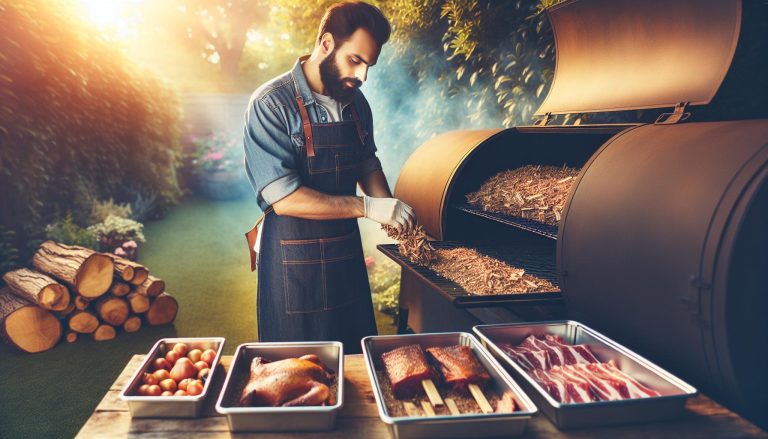
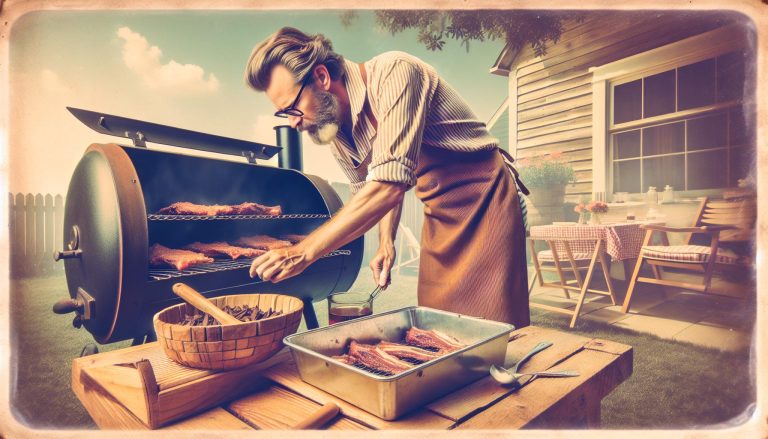
- Smoking Equipment: Choosing the right smoker and wood chips is essential for achieving the best flavor. Options include offset, electric, pellet, and charcoal smokers, with wood types like hickory, mesquite, apple, and oak significantly influencing taste.
- Top Meats to Smoke: The top 10 meats suitable for smoking encompass classic favorites and unique choices, including beef brisket, pork shoulder, whole turkey, lamb leg, whole chicken, duck, pork ribs, assorted sausages, fish, and pork belly.
- Preparation Essentials: Proper preparation is crucial, encompassing trimming excess fat, applying dry rubs, brining poultry, allowing the meat to rest, and bringing it to room temperature before smoking.
- Smoking Temperatures and Times: Each type of meat requires specific smoking temperatures (generally between 225°F and 250°F) and cooking times (ranging from 1 hour per pound for brisket and pork shoulder to 30 minutes per pound for turkey) to achieve the ideal internal temperatures.
- Post-Smoking Tips: Resting smoked meat is essential for juicy, flavorful results. Additionally, serving suggestions such as slicing against the grain and pairing with classic BBQ sides can enhance the dining experience.
Ingredients
To start your smoking adventure, gather the ingredients you’ll need for each type of meat. Preparing ahead ensures a smooth smoking process and the best flavors.
Beef Brisket
- 1 whole beef brisket (10-12 lbs), trimmed
- 1/4 cup kosher salt
- 1/4 cup black pepper
- 2 tbsp garlic powder
- Wood chips (hickory or oak recommended)
Pork Shoulders
- 1 pork shoulder (8-10 lbs), bone-in
- 1/4 cup paprika
- 2 tbsp brown sugar
- 2 tbsp chili powder
- 1 tbsp cumin
- Wood chips (applewood recommended)
Whole Turkey
- 1 whole turkey (12-14 lbs), thawed and giblets removed
- 1/4 cup kosher salt
- 2 tbsp garlic powder
- 2 tbsp onion powder
- 1 tbsp thyme
- 1 tbsp rosemary
- Wood chips (pecan or cherry recommended)
Lamb Leg
- 1 leg of lamb (6-8 lbs)
- 1/4 cup olive oil
- 2 tbsp garlic, minced
- 2 tbsp rosemary, chopped
- 1 tbsp lemon zest
- Wood chips (oak or mesquite recommended)
Chicken
- 2 whole chickens (4-5 lbs each), cleaned and patted dry
- 1/4 cup kosher salt
- 2 tbsp paprika
- 2 tbsp garlic powder
- 1 tbsp onion powder
- Wood chips (cherry or applewood recommended)
Duck
- 2 whole ducks (5-6 lbs each), cleaned and patted dry
- 1/4 cup kosher salt
- 2 tbsp five-spice powder
- 1 tbsp black pepper
- 1 tbsp soy sauce
- Wood chips (hickory or applewood recommended)
Ribs
- 2 racks of pork ribs (about 4 lbs each)
- 1/4 cup brown sugar
- 2 tbsp paprika
- 2 tbsp garlic powder
- 2 tbsp onion powder
- 1 tbsp black pepper
- Wood chips (applewood or hickory recommended)
Sausages
- 5 lbs assorted sausages (bratwurst, andouille, or kielbasa)
- 1/4 cup kosher salt
- 2 tbsp black pepper
- 1 tbsp crushed fennel seeds
- 2 tbsp brown sugar
- Wood chips (hickory or oak recommended)
Fish
- 2 whole salmon fillets (2-3 lbs each)
- 1/4 cup kosher salt
- 1/4 cup brown sugar
- 2 tbsp dill, chopped
- 1 lemon, sliced
- Wood chips (alder or cherry recommended)
- 4 lbs pork belly
- 1/4 cup kosher salt
- 1/4 cup brown sugar
- 2 tbsp black pepper
- 2 tbsp paprika
- 1 tbsp garlic powder
- Wood chips (applewood or hickory recommended)
Required Smoking Equipment
Having the right equipment is essential for a successful smoking experience. Here’s a rundown of must-have tools to get you started.
Smoker
To begin, choose a smoker that suits your needs. Options include:
- Offset Smoker: Offers great control over heat and smoke.
- Electric Smoker: Convenient and easy to use.
- Pellet Smoker: Versatile and imparts a unique flavor.
- Charcoal Smoker: Provides rich, authentic smoked flavors.
Wood Chips
The wood you use significantly influences the flavor. Stock up on:
- Hickory: Bold flavor; pairs well with pork.
- Mesquite: Strong, earthy flavor; best for beef.
- Apple: Sweet, mild; excellent with poultry.
- Oak: Balanced smoke; good for almost any meat.
Thermometers
Precise temperatures are crucial for perfect results. Equip yourself with:
- Instant-Read Thermometer: Quick and accurate temperature checks.
- Dual-Probe Thermometer: Monitors both meat and smoker temperature simultaneously.
- Meat Claws: For shredding meats easily.
- BBQ Tongs: Handle meat without piercing it.
- Water Pan: Maintains moisture in the smoker.
- Drip Pans: Catch drippings and keep the smoker clean.
- Heat-Resistant Gloves: Protect your hands while handling hot equipment.
Prep Work Before Smoking

Before you start smoking your meat, there’s essential prep work to ensure delicious results. Proper preparation sets the foundation for mouth-watering smoked flavors.
Meat Selection
Choosing the right cut of meat is crucial:
- Brisket: Look for a well-marbled cut with a thick flat and point.
- Pork Shoulder: Opt for a bone-in cut with a generous fat cap.
- Ribs: Baby back or spare ribs, ensure there’s an even thickness.
- Chicken: Whole chicken or larger cuts like thighs and legs.
- Salmon: Pick a side of salmon with an even thickness.
- Turkey: Whole turkey or breast, preferably with skin.
- Duck: Whole duck or breast with skin on.
- Lamb Shoulder: Bone-in with good marbling.
- Sausage: High-quality, uncooked sausages.
- Prime Rib: Select a bone-in cut with lots of marbling.
Meat Preparation
Proper meat preparation is key to achieving that perfect smoke:
- Trim: Trim excess fat but leave enough for the flavor.
- Brine: For poultry, submerge in a salt solution for 12-24 hours.
- Rub: Apply a generous amount of dry rub to all sides of your meat.
- Rest: Let the seasoned meat rest in the fridge for at least 2 hours or overnight.
- Injector Marinade: For larger cuts, consider injecting marinade for deeper flavor.
- Bring to Room Temp: Take the meat out of the fridge an hour before smoking to bring it to room temperature.
- Pat Dry: Pat the meat dry with paper towels just before smoking to ensure a good bark.
- Oil Rub: Lightly coat the meat with oil to help the rub adhere and create a crisp exterior.
Smoking Directions
Perfecting the smoking process is essential for achieving mouthwatering results. Follow these steps to ensure success with each meat type.
Preheating the Smoker
- Choose the Right Wood Chips: Select wood chips that complement the meat you’re smoking. For instance, use hickory for pork shoulder or applewood for chicken.
- Prepare the Smoker: Clean the grates and remove any leftover ash or debris to ensure a consistent smoke.
- Add Wood Chips: Soak the wood chips in water for at least 30 minutes to create steady smoke. Drain and place them in the smoker box or directly on the coals.
- Set the Temperature: Preheat your smoker to the desired temperature, generally between 225°F and 250°F. Use a built-in or external thermometer for accuracy.
- Achieve Steady Smoke: Wait until the smoker maintains a steady smoke before adding the meat.
Smoking Each Type of Meat
Brisket
- Temperature: Maintain the smoker at 225°F.
- Cooking Time: Smoke for 1.5 hours per pound.
- Internal Temperature: Aim for an internal temperature of 195°F to 205°F.
Pork Shoulder
- Temperature: Keep the smoker between 225°F and 250°F.
- Cooking Time: Smoke for 1.5 hours per pound.
- Internal Temperature: Ensure an internal temperature of 195°F to 205°F.
Ribs
- Temperature: Preheat the smoker to 225°F.
- Cooking Time: Smoke for 5 to 6 hours.
- Internal Temperature: Target an internal temperature of 190°F.
Chicken
- Temperature: Maintain the smoker at 250°F.
- Cooking Time: Smoke for 3 to 4 hours.
- Internal Temperature: Verify an internal temperature of 165°F.
Salmon
- Temperature: Set the smoker to 225°F.
- Cooking Time: Smoke for 1 hour.
- Internal Temperature: Check for an internal temperature of 145°F.
Turkey
- Temperature: Keep the smoker at 240°F.
- Cooking Time: Smoke for 30 minutes per pound.
- Internal Temperature: Ensure an internal temperature of 165°F.
Duck
- Temperature: Preheat the smoker to 225°F.
- Cooking Time: Smoke for 4 hours.
- Internal Temperature: Aim for an internal temperature of 165°F.
Lamb Shoulder
- Temperature: Maintain the smoker between 225°F and 250°F.
- Cooking Time: Smoke for 5 to 6 hours.
- Internal Temperature: Target an internal temperature of 195°F.
- Temperature: Set
Post-Smoking Tips
Now that the hard part is over, it’s time to focus on the final touches to ensure your smoked meat is perfect.
Resting the Meat
Resting is crucial for juicy, flavorful meat. Once you’ve removed your meat from the smoker, place it on a cutting board and loosely tent it with aluminum foil. Let it rest for at least 20-30 minutes, depending on the size of the cut. This allows the juices to redistribute evenly throughout the meat, making every bite succulent.
Serving Suggestions
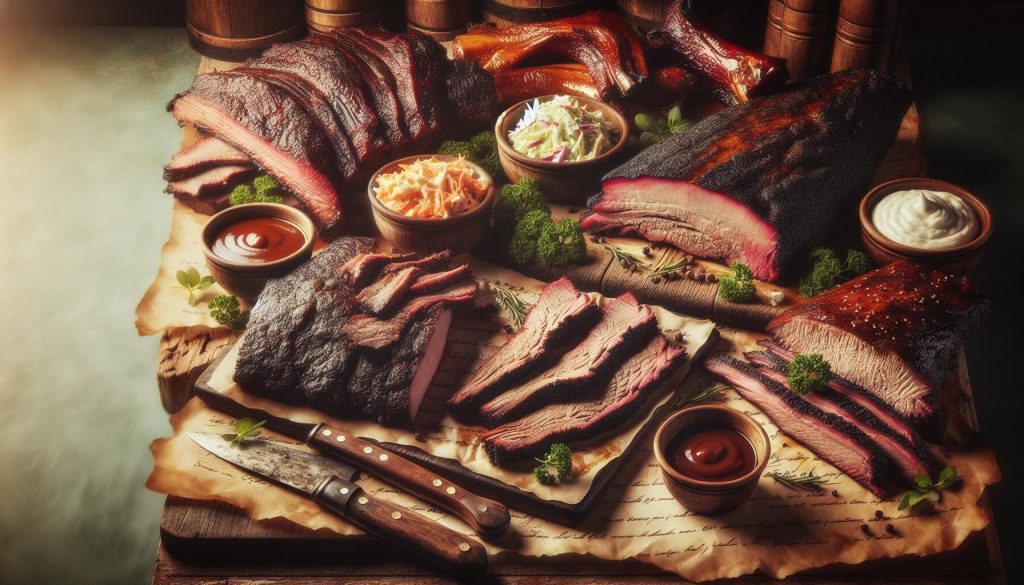
Presenting your smoked meat is almost as important as smoking it. Slice your brisket against the grain to ensure tenderness. For ribs, use a sharp knife to cut between each bone. Serve with classic sides like coleslaw, baked beans, or cornbread to complement the smoky flavors. A tangy barbecue sauce can add an extra layer of flavor, but remember, great smoked meat should stand on its own.
Conclusion
Mastering the art of smoking meat can elevate your culinary skills and impress your guests. With the right preparation, smoking techniques, and post-smoking care, you can achieve mouthwatering results every time. Remember to experiment with different wood chips and seasonings to find your unique flavor profile. Whether you’re smoking brisket, ribs, or any other top meat, the key is patience and attention to detail. Enjoy the process and savor the delicious rewards of your efforts. Happy smoking!
Frequently Asked Questions
What types of meat are best for smoking?
Beef brisket, pork shoulder, ribs, and poultry are popular choices for smoking due to their rich flavors and ability to retain moisture.
How should I prepare my meat before smoking?
Preparation involves trimming excess fat, brining to retain moisture, and seasoning with a dry rub or marinade to enhance flavor.
What temperature should I set my smoker to?
The ideal smoker temperature for most meats is between 225°F and 250°F, ensuring proper cooking and smoke absorption.
How long should I smoke my meat?
Cooking times vary by meat type and cut; for example, brisket can take 10-14 hours, while ribs usually need 5-6 hours.
What type of wood chips should I use?
Commonly used wood chips include hickory, apple, cherry, and mesquite, each imparting a distinct flavor to the meat.
Why is resting the meat important after smoking?
Resting allows juices to redistribute throughout the meat, enhancing its tenderness and flavor.
How should I slice brisket after smoking?
Slice brisket against the grain to ensure each piece is tender and easy to chew.
What are the best sides to serve with smoked meat?
Classic sides include coleslaw, baked beans, cornbread, and barbecue sauce, all of which complement the smoky flavors of the meat.